
Introduction
You stand in the kitchen. You hold a bag of oats in one hand and stare at your phone in the other. The recipe says overnight oats. Your mom always made oatmeal. And the container just says oats.
So which is which? Are they the same thing? Do you cook them or just add milk?
This confusion trips up a lot of people. You are not alone in wondering about oatmeal vs overnight oats and how they actually differ.
The truth is simpler than it looks. This guide breaks it down without fancy terms or food science lectures. You will learn what each one is, how they compare, and which fits your morning routine.
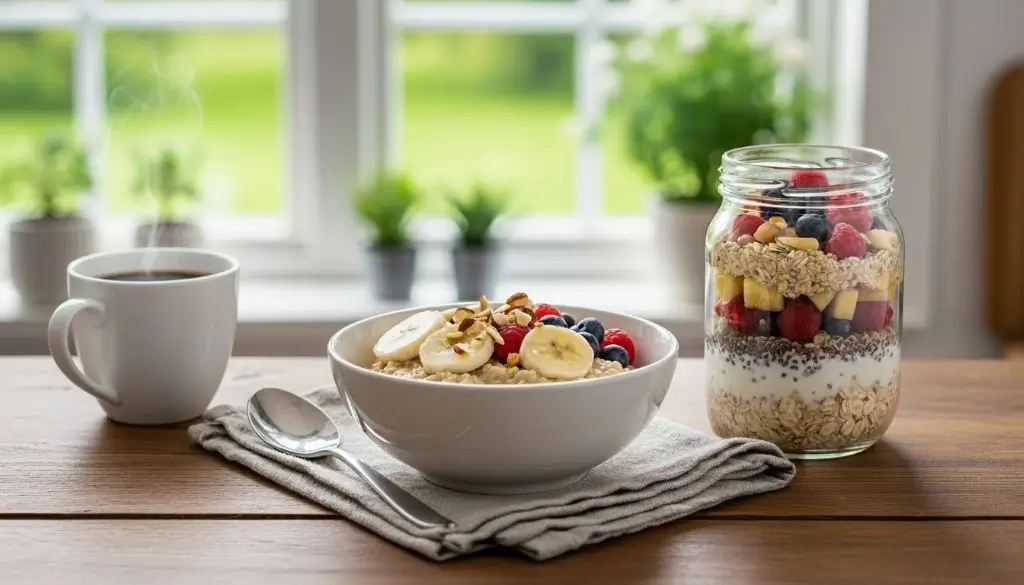
No complicated steps. No pressure to pick a winner. Just clear answers so you can make breakfast without stress. In simple terms, oatmeal is cooked while overnight oats are soaked and eaten cold.
Table of Contents
Are Oats and Oatmeal the Same Thing?
Here is the short answer. Yes and no. It depends on what you mean.
Oats are the raw ingredient. They come from a plant. Farmers harvest oat groats, which look like small grains. Companies process these groats into different shapes and sizes. When you buy a bag labeled oats, you are buying this base ingredient.
Oatmeal is what happens when you cook those oats. You add water or milk and apply heat. The grains soften and turn into a warm, porridge-like meal. So oats become oatmeal. They are not exactly the same thing, but they are closely related. Think of oats as the flour and oatmeal as the bread.
In simple terms, oats are the raw form, while oatmeal is the cooked version.
This distinction matters when you shop. If you buy steel-cut oats or rolled oats, you still need to cook them to make oatmeal. If you buy instant packets, the oats have already been partially cooked and processed. But the basic idea stays the same. Raw oats plus liquid plus heat equals oatmeal.
What Is Oatmeal?
Oatmeal is simply oats cooked with liquid. Most people use water, milk, or a mix of both. You heat everything in a pot or microwave until the oats absorb the liquid and soften.
The type of oats you use changes how your oatmeal turns out.
Quick oats cook the fastest. They are rolled thin and cut small, so they soften quickly. You can microwave them in a couple of minutes. The texture is smooth and soft, which some people enjoy, while others find it too mushy.
Rolled oats take a bit longer. They are flat and slightly thicker. They usually need five to ten minutes on the stove. They hold their shape better and give you a more balanced, slightly chewy texture.
Steel-cut oats take the longest. They are chopped into small pieces rather than rolled. Cooking can take twenty to thirty minutes. The result is a denser, chewier bowl that feels heartier.
The way oats absorb liquid and soften also connects to how they behave in your body. According to Mayo Clinic, soluble fiber forms a gel-like material during digestion, which helps slow things down and keeps you feeling satisfied longer.
So, when you make oatmeal, the main choice is time and texture. All three types start as oats, but the way they are processed changes how your final bowl feels and cooks.
What Is Overnight Oats?
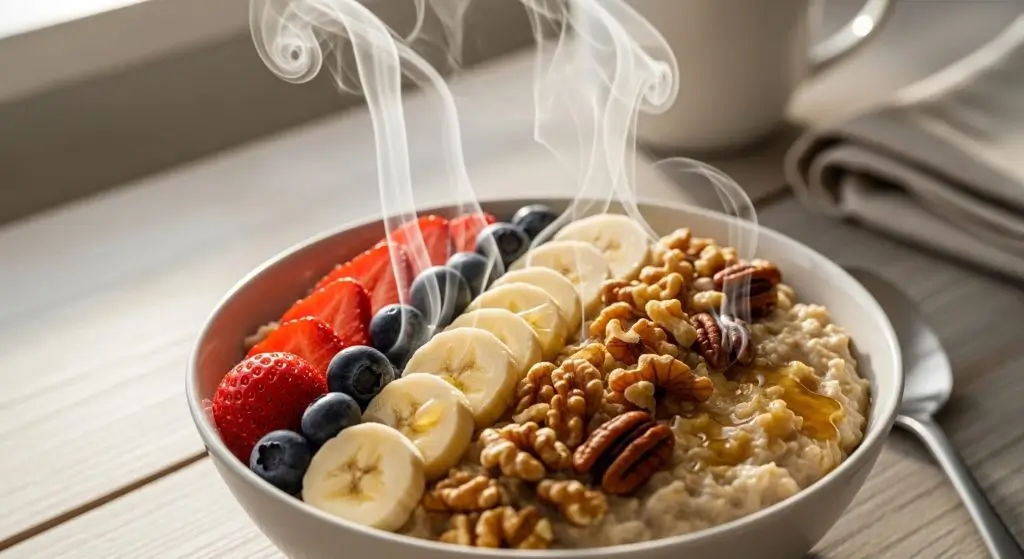
Overnight oats skip the stove entirely. Instead of cooking, you soak oats in liquid and let time do the work. You put them in a jar, add milk or yogurt, and mix in extras like fruit or nuts. Then you leave the jar in the fridge overnight.
By morning, the oats have absorbed the liquid and softened without heat. The texture turns creamy and cold. You can eat it straight from the fridge, similar to pudding or thick cereal.
In simple terms, overnight oats are soaked oats that are prepared ahead of time and eaten cold.
People like this method because it saves time. You do the prep the night before, so breakfast is ready when you wake up. No cooking, no waiting, and fewer dishes to deal with.
Overnight oats work best with rolled oats or quick oats. Steel-cut oats usually stay too firm unless soaked much longer. Most recipes use a one-to-one ratio of oats to liquid, but you can adjust it based on how thick or creamy you prefer.
Oatmeal vs Overnight Oats (Key Differences)
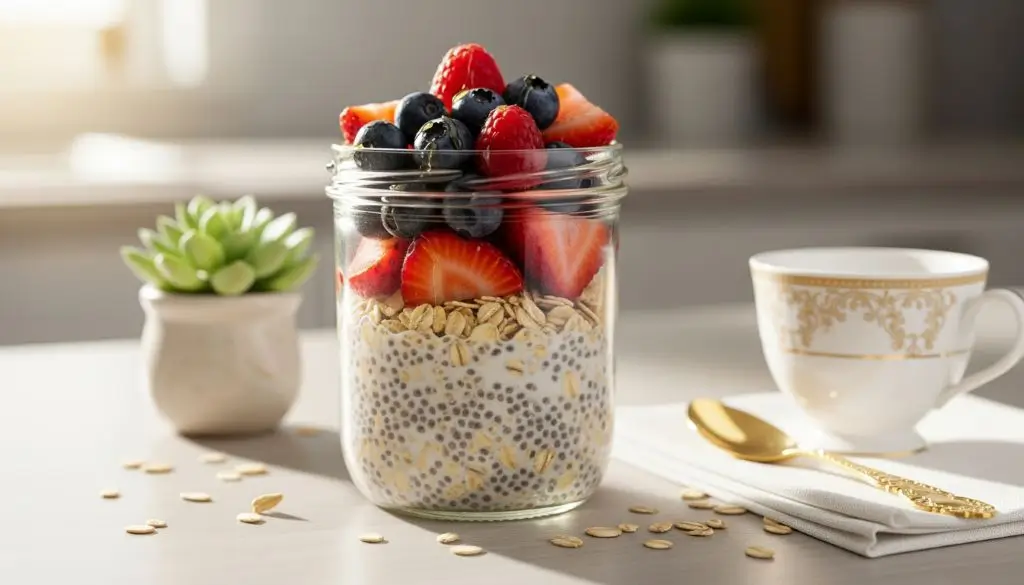
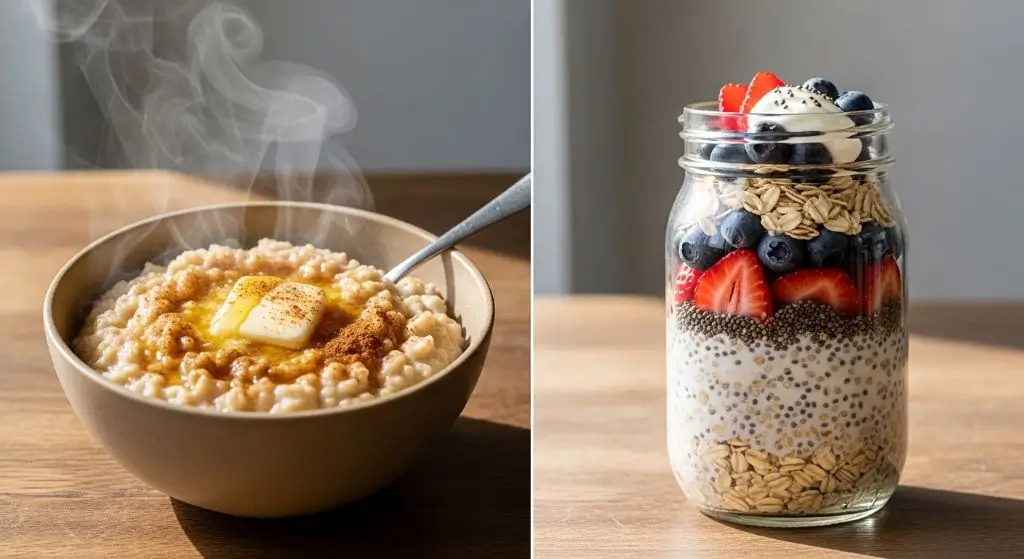
The main difference between oatmeal vs overnight oats is how they are prepared. Oatmeal is cooked with heat, while overnight oats are soaked in liquid and eaten cold.
In simple terms, oatmeal works well if you want a warm, freshly made meal, while overnight oats are better for saving time and preparing ahead.
Here is a simple side-by-side breakdown to help you choose what fits your routine.
Preparation
Oatmeal requires heat. You boil water or milk, add oats, and cook until soft. This can take anywhere from two to thirty minutes depending on the type of oats. You need a pot, stove, or microwave.
Overnight oats use time instead of heat. You mix oats with milk or yogurt, then leave them in the fridge for at least four hours, usually overnight. No cooking needed.
Texture
Oatmeal is warm and soft. It has a porridge-like consistency that feels comforting, especially in colder weather.
Overnight oats are cold and creamy. The texture is closer to pudding or thick cereal. It feels lighter and more refreshing, especially in warmer months.
Time & Convenience
Oatmeal is made in the moment. You cook it when you are ready to eat, which takes a few minutes or longer depending on the type.
Overnight oats shift the work earlier. You spend a few minutes at night and save time in the morning. This makes it easier on busy days.
Digestion & Fullness
Both oatmeal and overnight oats can keep you full when built as a balanced meal. Oats contain a type of fiber that absorbs water and helps you stay satisfied. Resources from Harvard Health Publishing explain that this type of soluble fiber slows digestion, which can help you feel full for longer.
Some people find warm oatmeal easier to digest, while others prefer overnight oats for their softer, soaked texture. Throw in some Greek yogurt, nuts, or seeds. Then you have a complete meal either way. If you’re using seeds, here’s a quick comparison of flaxseed vs chia seeds to help you choose.
Types of Oats Explained Simply
Let’s clear up the oat aisle confusion. You will usually see three main types at the store, and each one works a bit differently for oatmeal and overnight oats.
- Quick oats cook the fastest. They are rolled thin and cut small, so they soften quickly. They work fine for overnight oats too, but the texture turns very soft. Some people like that, while others prefer more bite.
- Rolled oats offer a middle ground. They are steamed and flattened, which helps them cook in five to ten minutes. In overnight oats, they soften well while still keeping some texture. This is why most recipes use rolled oats.
- Steel-cut oats take the longest. They are chopped into small pieces rather than rolled. Cooking can take twenty to thirty minutes. For overnight oats, they usually stay too firm unless soaked much longer. Some people enjoy the chewy texture, while others find it too tough.
So when comparing quick oats vs rolled oats vs steel cut oats, it really comes down to time and texture. Quick oats are best for speed, steel-cut oats for a chewier bite, and rolled oats sit right in the middle.
Which One Is Better for Breakfast?
When comparing oatmeal vs overnight oats, there is no single winner. It depends on your routine and preference.
If you enjoy a warm meal on cold mornings, oatmeal makes sense. If you need something ready to grab and go, overnight oats are more convenient. If you don’t like cold breakfasts, overnight oats may not work for you. And if texture matters, your choice of oats will make a difference.
Your schedule, taste, and setup all play a role. From a nutrition perspective, both options offer similar benefits. According to Mayo Clinic, oats provide fiber and other nutrients that support a balanced meal, regardless of how you prepare them. Some people use a microwave at work and make oatmeal there. Others prepare everything at home and grab overnight oats from the fridge.
The best breakfast is the one you actually eat consistently, not the one someone else claims is better.
How to Choose the Right Option for You
Let’s make this practical. Here is how real people decide based on their routine.
- If your mornings are busy
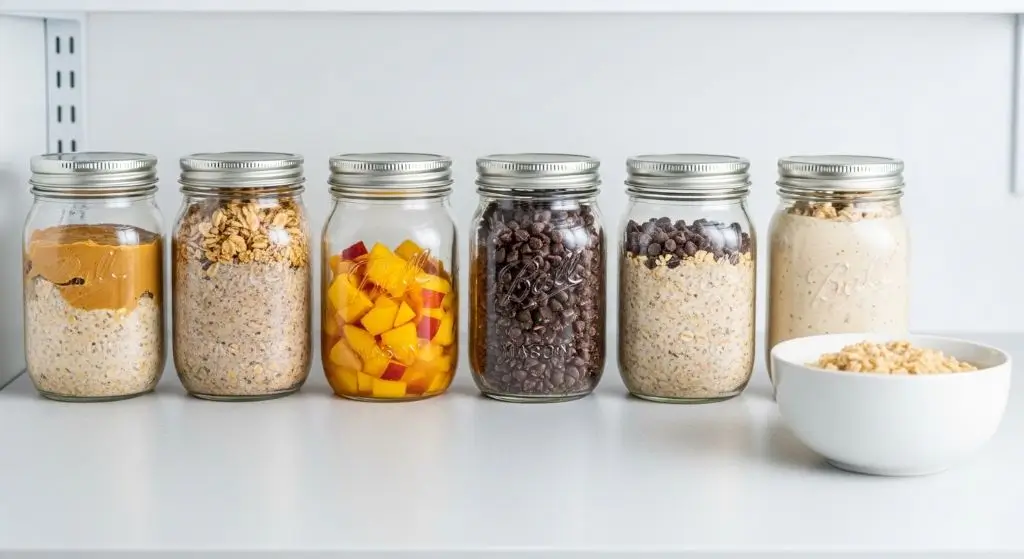
You hit snooze, rush out the door, and barely have time for coffee. Overnight oats make this easier. Prep a few jars ahead of time and grab one in the morning. - If you want something warm and comforting
On cold mornings, oatmeal makes more sense. A hot meal feels more satisfying and can be part of a slower routine. - If texture matters to you
If you like something to chew, go for steel-cut oats or add nuts and seeds for crunch. If you prefer a softer texture, rolled oats or overnight oats work better. - If you have limited kitchen space
If fridge space is tight or your setup is simple, instant oatmeal packets can be a practical option. Just add hot water and you’re done.
Real life guides these choices. Not a fixed rule.
Common Mistakes People Make
Oats are simple, but a few common habits can make them less satisfying. Here is what to watch for.
Adding too much sugar
Too much added sugar can reduce the overall balance of your meal. Flavored packets often contain a lot of sweetness. A better option is to use plain oats and add your own fruit, honey, or cinnamon so you control the amount.
Relying on flavored packets
Flavored options may seem convenient, but they often cost more and offer less flexibility. Plain oats are more affordable and let you adjust the taste to your preference.
Skipping protein
Oats provide carbs and fiber, but on their own they may not keep you full for long. This is where combining nutrients matters. Adding a protein source like Greek yogurt, nuts, or peanut butter can make your meal more balanced and satisfying.
If you want practical ideas, check out our guide on how to build a high protein breakfast. It fits well with both oatmeal and overnight oats.
If you’re curious why this combination works so well, see our breakdown on why protein and fiber keep you full.
When Each Option Makes Sense
Certain situations make one option more practical than the other.
- Busy mornings
When time is tight, overnight oats are the easier choice. You prepare them in advance and grab them when you need to go. - Meal prep days
Both options work well here. You can cook a batch of oatmeal and reheat it during the week, or prepare multiple jars of overnight oats ahead of time. - Warm weather
On hotter days, cold overnight oats feel lighter and more refreshing, while hot oatmeal may feel too heavy. - Slower mornings or weekends
When you have more time, cooking oatmeal can be part of a relaxed routine. It’s a good option when you want something warm and freshly made.
Final Thoughts
Stop overthinking it. Oatmeal vs overnight oats is not a competition. They are simply different ways to use the same ingredient.
Oats are affordable, flexible, and easy to work with. You can make them warm or cold, simple or more filling depending on what you add.
Choose based on your routine and preference. Some days, a hot bowl of oatmeal makes sense. Other days, overnight oats are more practical. That flexibility is the real advantage. Keep it simple. Start with plain oats, add real ingredients, and build a meal that works for you. Whether you cook them or soak them, you are making a solid choice.
FAQs: Oats vs Oatmeal vs Overnight Oats
1. Are oats and oatmeal the same thing?
Oats are the raw grain, while oatmeal usually refers to oats that have been cooked with water or milk.
2. What is the difference between oatmeal and overnight oats?
The main difference is preparation. Oatmeal is cooked with heat, while overnight oats are soaked in liquid and eaten cold.
3. Which is better, oatmeal or overnight oats?
Neither is better. It depends on your routine, taste, and whether you prefer a warm or cold breakfast.
4. Are overnight oats healthy?
Overnight oats can be a balanced option when made with simple ingredients like oats, milk, fruit, and nuts.
5. Which type of oats is best for breakfast?
Rolled oats are a common choice because they balance cooking time and texture, but the best option depends on your preference.
6. Can you eat oats without cooking them?
Yes, oats can be eaten without cooking when soaked in liquid, as in overnight oats. This softens them and makes them easier to eat.
7. Why do overnight oats taste different from oatmeal?
Overnight oats are cold and have a creamy texture, while oatmeal is warm and softer due to cooking. This changes both taste and feel.