
Introduction
You have probably heard it at the grocery store. Maybe your aunt mentioned it at dinner. Someone always says, “Honey is better for you than sugar.” It sounds nice. It feels natural. But then you look at the nutrition label and both show grams of sugar. You start to wonder. Is honey healthier than sugar? Or is it just another sweet thing with good marketing?
The truth is not exciting. It is not terrible either. Honey and sugar are more alike than different. Both sweeten your coffee. Both add calories. But they are not identical. This guide will show you what actually changes when you swap one for the other. No labels of good or bad. Just real facts you can use at breakfast.
Table of Contents
Honey vs Sugar: What’s the Real Difference?
Let us start simple.
What is sugar?
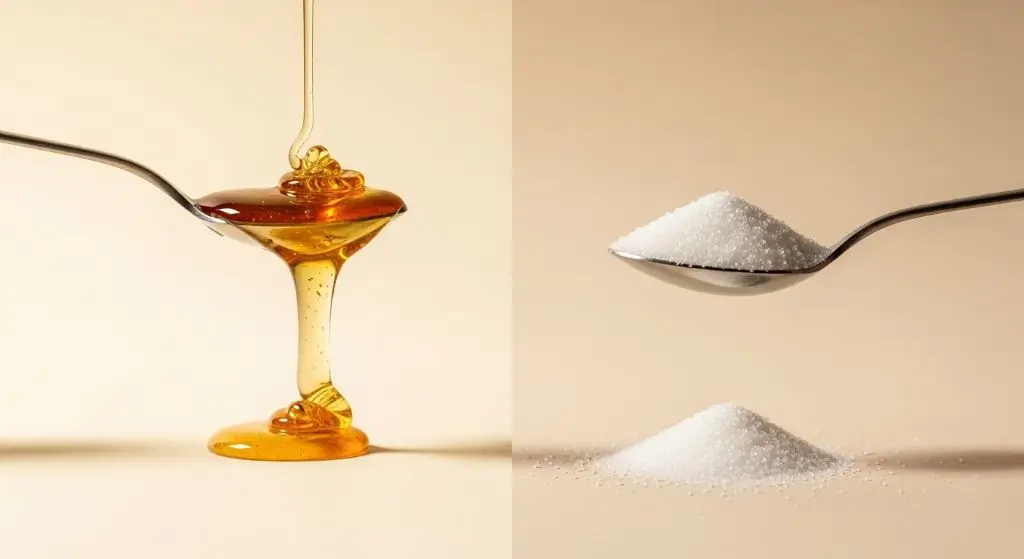
Sugar usually means white table sugar. It comes from sugar cane or sugar beets. Factories process it, strip it down, and leave pure sucrose. That is it. No extras.
What is honey?
Honey comes from bees. Bees collect nectar from flowers and bring it back to the hive, where it turns into the thick, golden liquid we buy in jars. But here is the thing. The difference between honey and sugar is not as huge as the price tag suggests.
What happens in your body?
Both give you glucose and fructose. These are simple sugars. Your body breaks them down fast.
- Honey: about 40% fructose and 30% glucose
- Sugar: 50% glucose and 50% fructose (bonded together)
Once you eat either one, your body handles them almost the same way. According to Harvard Health, overconsumption of added sugars, whether from honey or table sugar, contributes to inflammation, weight gain, and increased cardiovascular risk.
Does honey have anything extra?
Honey does keep small amounts of other compounds:
- Pollen
- Enzymes
- Trace vitamins and minerals (like magnesium and potassium)
- Antioxidants
Sugar has none of that. But these amounts are very small. You would need large quantities of honey to get meaningful nutrition.
The real difference
So what actually separates them?
- Honey is less processed
- It keeps some plant compounds
- Sugar is refined and stripped down
So, the real difference? Honey is less processed. It keeps some plant compounds. Sugar is refined and stripped bare. But at the chemical level, they are cousins. Not strangers.
Is Honey Healthier Than Sugar?
Now for the big question. Is honey healthier than sugar? The answer depends on what you mean by healthy.
If you are looking at honey vs sugar health impacts, honey may have a small edge. It contains antioxidants and small amounts of other compounds. Some studies suggest it may cause slightly lower blood sugar spikes compared to table sugar. But these differences are small. Not something that changes the overall picture.
Here is what matters more. How much you use.
A teaspoon of honey affects your body almost exactly like a teaspoon of sugar, especially in meals that lack protein and fiber to keep you full. If you start using more honey because it feels healthier, you may end up consuming more than you intended. In practice, portion size matters more than the source.
Both are sources of sugar, and your body processes them in a similar way. The difference is small, not dramatic.
So, is honey healthier than sugar? Slightly, in some ways. But it is not a free pass or a health food. According to the Mayo Clinic, honey does offer some benefits but still requires caution and limits. It still counts as added sugar in your diet.
According to the American Heart Association, added sugars including honey should still be limited in daily intake.
Calories in Honey vs Sugar
Let us talk numbers. People love to compare calories in honey vs sugar.
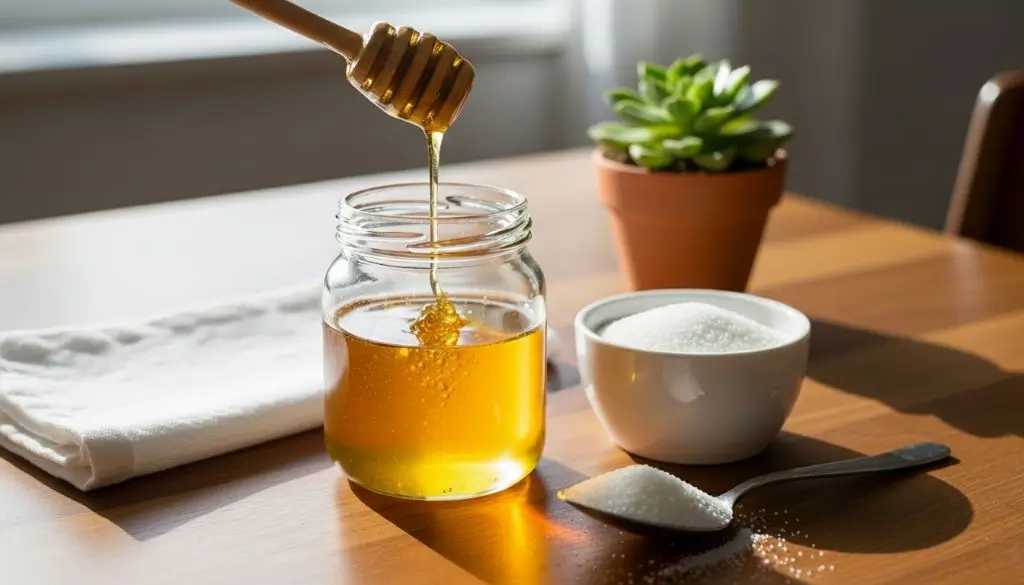
One tablespoon of white sugar has about 48 calories. One tablespoon of honey has about 64 calories. Honey is denser and sweeter per spoon, so it ends up giving you more calories in the same amount.
But here is the twist. Because honey tastes sweeter, you may use less. If you normally add one teaspoon of sugar to your tea, half a teaspoon of honey might be enough. In real use, this can balance out.
This is why portion size matters more than the type of sweetener.
The real issue is how easy it is to use too much. Honey pours slowly, but people often add extra without noticing. Sugar sprinkles easily, but you can see it build up.
If you are paying attention to calories, measure it. Do not guess. A small drizzle can turn into more than you planned.
Is Honey a Natural Sugar?
Yes. Honey is a natural sugar. Bees make it, and it comes from plant nectar collected in nature. There is no industrial processing like refined sugar, apart from basic filtering and packaging.
What “natural” actually means
Natural does not always mean it works differently in the body.
It simply means the product comes from nature, not a lab. It does not change how your body processes it.
Why people see honey as “healthier”
Honey is less processed than white sugar. That is why it appeals to people who prefer more “whole” or natural foods.
- Raw honey may contain trace pollen
- It has small amounts of enzymes and plant compounds
- Some people believe local honey helps with allergies, but evidence is not strong
How your body actually treats it
Despite these differences, your body responds to honey in a very similar way to sugar.
- Your liver processes it as sugar
- Your pancreas releases insulin in response
- It still functions as a source of glucose and fructose
So natural or not, it behaves like a sweetener in your system.
The key idea is simple: treat it with awareness, not assumptions. Not fear, just balance.

H2: Can You Replace Sugar with Honey?
So, can you replace sugar with honey?
Yes, you can. Most of the time it works fine. Sometimes it changes things.
In drinks (tea or coffee)
In hot tea or coffee, honey dissolves easily. It adds a floral note. Some people love it, others prefer the neutral taste of sugar. Try it and see what works for you.
In baking (where it gets tricky)
Baking is where things change.
- Honey adds moisture
- It makes cookies softer and cakes denser
- A 1:1 swap can ruin texture (for example, brownies may turn too soft)
Basic adjustment guide:
- Use about 1/2 to 2/3 the amount of honey instead of sugar
- Reduce other liquids in the recipe
- Lower oven temperature by about 25°C
- Honey browns faster than sugar
In dressings and marinades
This is where honey works really well.
- Mixes smoothly with mustard and vinegar
- Works better than sugar in emulsions
- Coats meats like chicken wings nicely
- Balances spicy or tangy flavors
In sauces and cooking
Honey also performs well in cooked dishes.
- Tomato sauces: reduces acidity
- Stir-fries: adds glaze and shine
- Sugar can do this too, but honey adds extra flavor depth
Final reality check
Can you replace sugar with honey in everything? Almost. But expect changes in:
- Taste
- Texture
- Sweetness level
And one thing stays the same: you are still adding sugar to your food, just in a different form.
Honey vs Sugar for Daily Use
Let us get practical. Honey vs sugar for daily use depends on your life.
When honey makes more sense
Pick honey when you want more flavor and depth.
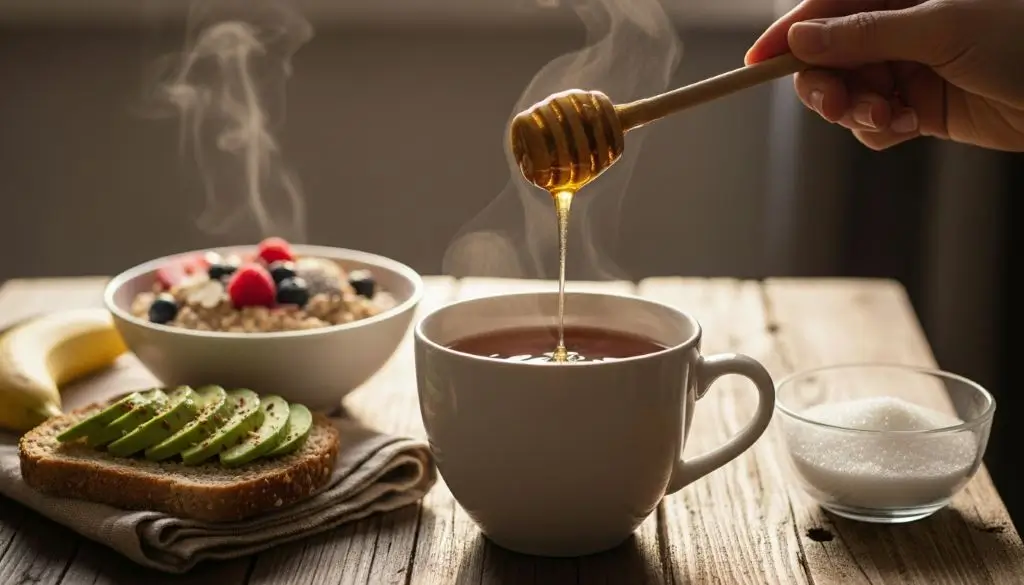
- Morning oatmeal with honey tastes warm and complex, whether you prefer it hot or soaked overnight.
- Yogurt with nuts and honey feels more like a complete snack
- Toast with peanut butter and honey feels richer than plain sweetness
Honey also fits well if you prefer less processed foods. It feels closer to whole ingredients, and you often know where it comes from.
When sugar makes more sense
Sugar still has a clear place in everyday use.
- Baking needs precision, especially cookies and cakes
- Creaming butter and sugar helps create texture that honey cannot replicate well
- Sugar is cheaper and more neutral in taste
- It dissolves easily in coffee without changing flavor
Simple real-life example
If you drink black coffee but someone wants sweetness in theirs, sugar blends in cleanly. No extra taste. Just sweetness.
The key idea
It is less about labels and more about what works for your meal.
Sometimes honey fits. Sometimes sugar is the better tool. Both are fine. Both are just sweeteners used in different situations.

Simple Ways to Use Honey Instead of Sugar
Want to try honey? Start small. Here are easy wins.
- In tea or coffee: Sweeten your tea or coffee. Start with half what you would use of sugar. Stir well. Taste. Add more if you need it.
- On yogurt or oats: Drizzle it over yogurt or oats. Plain Greek yogurt with honey and walnuts feels more balanced than flavored yogurt packed with hidden sugars, and helps if you often feel hungry soon after breakfast.
- In simple dressings: Make simple dressings. Mix three parts oil, one part vinegar, a spoon of honey, and mustard. Shake it up. Pour it on salad. It takes two minutes.
- In warm drinks: Stir into warm drinks. Lemon water with honey before bed. Warm milk with honey and cinnamon. These feel comforting. They cost less than coffee shop drinks.
- In peanut butter: Mix into peanut butter. If you use natural peanut butter with no sugar added, stir in a little honey yourself. You control the sweetness level.
Common Mistakes When Choosing Between Honey and Sugar
People mess this up all the time. Here is what to avoid.
Assuming honey is sugar-free
It is not. Honey is about 80% sugar by weight. Bees make it from flower nectar, which is basically sugar-rich liquid. Using honey does not mean you are avoiding sugar.
Overusing honey because it feels natural
This is the most common one. People pour it freely, add it to smoothies, or eat it by the spoon. Then they wonder why nothing changes.
Honey still contains calories, and those calories count the same way as sugar.
Ignoring portion size
A tablespoon is a tablespoon. Whether it is white sugar or golden honey, the amount matters more than the form.
Eyeballing usually leads to more intake than you think.
Replacing sugar without adjusting recipes
This is where baking issues happen.
Cakes, cookies, and bread recipes rely on sugar structure. If you swap directly, texture and browning change.
Either adjust ratios or use sugar where precision matters, and honey where flexibility works better.
Thinking honey is a medicine
Some claims suggest honey can cure allergies, heal wounds, or boost immunity.
Medical-grade honey is used in hospitals for wound care, but eating honey does not have the same effect. It should not be treated as a treatment.
Conclusion
So here is the quiet truth. Honey and sugar live in the same family. They share more similarities than differences. Is honey healthier than sugar? Slightly. It has trace nutrients, is less processed, and may have a small effect on how blood sugar responds.
But the gap is narrow. Narrow enough that if you use too much honey, you cancel out any advantage. The source matters less than the amount. Your daily habits matter more than what you stir into your tea.
Honey can be a practical alternative. It tastes good, works in many recipes, and feels like a better option for some people. Sugar also works well. It is predictable, affordable, and easy to use. In the end, it is less about choosing sides and more about using less overall. That small decision, repeated daily, matters more than switching between jars.
FAQs: is honey healthier than sugar?
Q1: Is honey healthier than sugar for weight loss?
Not really. Both honey and sugar add calories and can affect your overall intake. Using honey instead of sugar does not automatically support weight loss. What matters more is how much you use and how often.
Q2: Can I replace sugar with honey in everyday meals?
Yes, in many cases. Honey works well in tea, coffee, yogurt, and dressings. In baking, you need to adjust quantities and liquids because honey adds moisture and sweetness differently.
Q3: Does honey raise blood sugar like regular sugar?
Yes. Honey still raises blood sugar because it contains glucose and fructose. Some studies suggest slightly smaller spikes compared to sugar, but the difference is not significant in everyday use.
Q4: Is the sugar in honey considered natural?
Yes, honey is a natural source of sugar. But natural does not mean it has a different effect on your body. It is still processed as sugar and should be used in moderation.
Q5: Are there any benefits of choosing honey over sugar?
Honey contains small amounts of antioxidants and is less processed than white sugar. However, these benefits are minor and do not change the overall impact if consumed in large amounts.
Q6: How much honey is safe to consume daily?
There is no fixed amount for honey alone, but it counts as added sugar, total added sugar intake should be limited to about 25 grams per day for women and 36 grams for men.
Q7: Is honey better than sugar for tea or coffee?
It depends on preference. Honey adds a distinct flavor, while sugar provides neutral sweetness. From a health perspective, both contribute similar effects when used in small amounts.
Q8: Can people with diabetes choose honey instead of sugar?
Both honey and sugar affect blood sugar levels. People with diabetes should be mindful of portion sizes and consult a healthcare professional for personalized advice.