Introduction
You know how it goes. You walk through the grocery store, grab a bag of chia or flax because someone said they are good for you, and then that bag sits in your pantry for three months.
You are not alone. Most people want to eat healthier, but they get stuck on the how.
This guide breaks it down simply. It covers the best seeds to eat daily, how much to use, and how to add them to meals without overcomplicating your routine.
No hype. No long lists you cannot remember. Just simple, practical ideas you can actually use tomorrow.
Table of Contents
Why Seeds Are Worth Adding to Your Diet
Seeds are tiny, but they pack a lot into a small space. You do not need to change your whole diet to get value from them. A spoonful here and there adds up over time.
What Makes Seeds Nutrient-Dense
Seeds deliver three key things your body actually needs:
- Fiber: supports digestion and helps you feel full
- Healthy fats: especially omega-3s from chia and flax
- Minerals: like magnesium, zinc, iron, and calcium
You do not need to change your whole menu to get them.
- According to Harvard Health Publishing’s quick-start guide to nuts and seeds:
- 1 tablespoon chia seeds, ~2g protein, 4g fiber, 78 mg calcium
- 1 tablespoon flaxseed, ~2g protein, 3g fiber
- 3 tablespoons hemp seeds, ~10g protein
That is a lot of nutrition for something so small.
The healthy fats in seeds are mostly unsaturated. Flax and chia are especially rich in ALA, a plant-based omega-3 fat. Pumpkin seeds give you magnesium, zinc, and iron. Sunflower seeds bring vitamin E.
You do not need to memorize all of this.
What matters is simple: seeds are an easy way to add nutrition without changing how you eat.
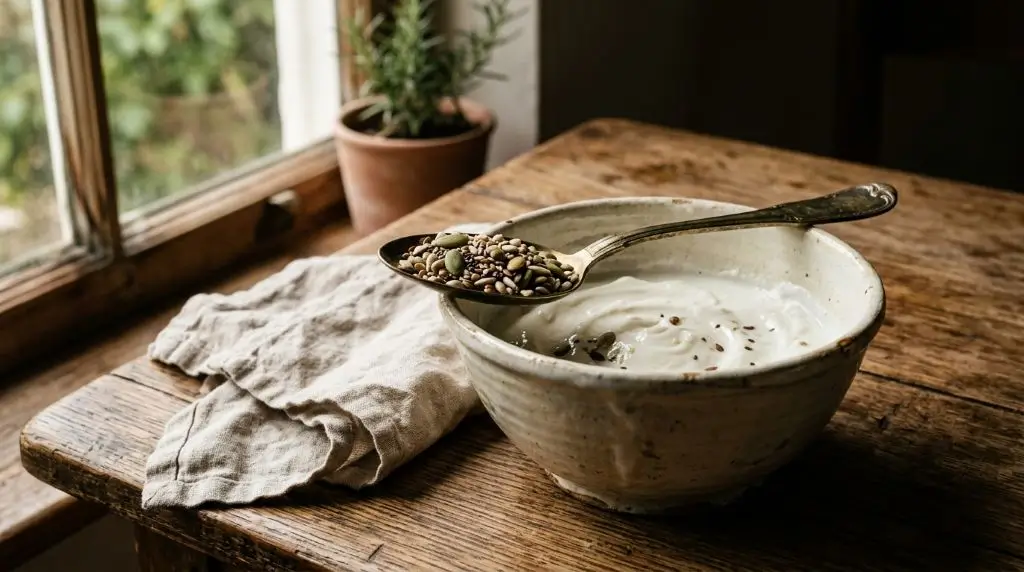
Are Seeds Good for Digestion?
Yes, they can be.
The fiber in seeds helps keep things moving. Harvard Health Publishing notes that nuts and seeds support gut health and regularity. Their article Avoiding nuts and seeds for better gut health? You shouldn’t also explains that most people do not need to avoid them.
But there is one condition:
- Fiber needs water to work properly
If you eat seeds without enough fluids, you may feel bloated or uncomfortable.
Here is the practical approach:
• Start with a small amount
• Drink water throughout the day
• Let your body adjust gradually
So are seeds good for digestion? Yes, if you keep portions moderate and stay hydrated. It works even better when your meals already include fiber-rich foods.

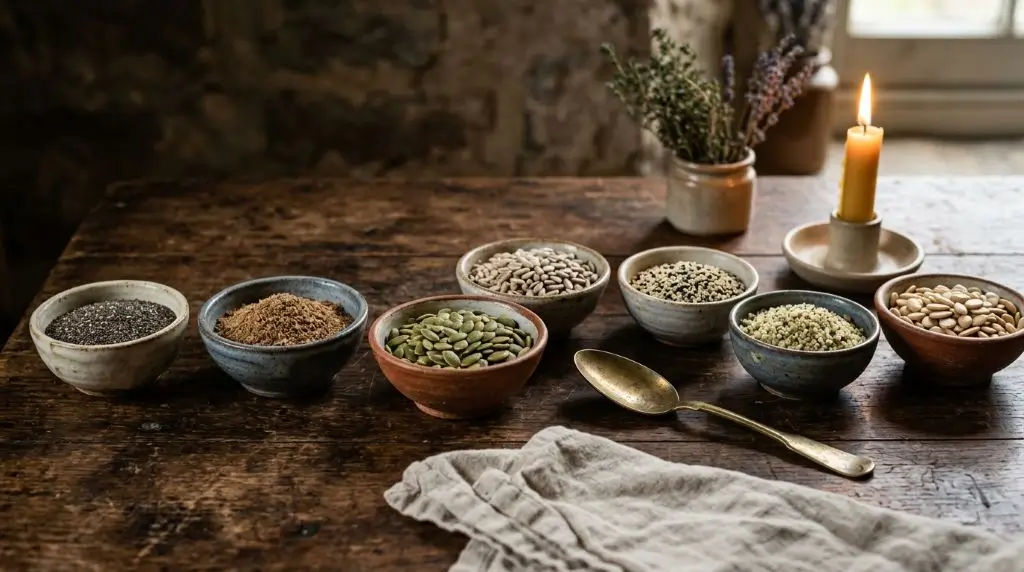
7 Best Seeds to Eat Daily
These are some of the best seeds to eat daily based on nutrition, ease of use, and how easily they fit into real meals.
1. Chia Seeds
Chia seeds are small, black or white, and swell when you add liquid. That gel texture helps you feel full.
You can soak a tablespoon in water or milk overnight, then add it to oatmeal or yogurt in the morning. According to EatRight (Academy of Nutrition and Dietetics), a 2-tablespoon serving contains about 10 grams of fiber and 5 grams of protein.
They do not need grinding, which makes them one of the easiest seeds to use daily.
If you want a simple breakdown, our guide on chia seeds nutrition and daily use explains it step by step.
2. Flax Seeds
Flax seeds are brown or golden with a mild, nutty taste. The key thing: grind them before eating.
Whole flax seeds can pass through your body without being fully digested, which means you miss the nutrients. A simple coffee grinder works fine.
Add ground flax to smoothies, oatmeal, or pancake batter.
If you want a deeper guide, check out our article on how to eat flaxseed daily without overdoing it.
Flax seeds daily intake is usually one to two tablespoons of ground seed, which fits easily into most meals.
3. Pumpkin Seeds
Pumpkin seeds, also called pepitas, are green and flat when shelled. They are one of the best options if you want plant-based protein.
WebMD notes that one ounce contains about 5 grams of protein along with magnesium and zinc.
You can roast them at home or buy them ready to eat. They work well as a snack or a crunchy topping for soups and salads.
4. Sunflower Seeds
Sunflower seeds are probably the easiest to find and the cheapest. You can buy them shelled or unshelled. They add a mild, nutty crunch to almost anything.
Sprinkle them on salads, stir them into granola, or just eat a small handful as a snack. They are not as high in omega-3s as chia or flax, but they offer vitamin E and selenium, which most people do not get enough of.
5. Sesame Seeds
Sesame seeds are common in cooking, but many people forget they count as a healthy seed. You see them on burger buns and in hummus, but you can also use tahini, which is just ground sesame paste.
Add tahini to salad dressings, drizzle it over roasted vegetables, or mix it into noodles. Sesame seeds give you calcium and healthy fats, and they have been used in cooking for thousands of years across many cultures.
6. Hemp Seeds
Hemp seeds, sometimes called hemp hearts, are soft and have a mild, almost pine nut flavor. They are one of the best seeds for protein because they contain all nine essential amino acids.
That is rare for a plant food. Three tablespoons give you about 10 grams of protein. You do not need to cook or grind them. Just sprinkle them on anything: avocado toast, fruit bowls, or even pasta.
7. Watermelon Seeds
Watermelon seeds are popular in many South Asian and Middle Eastern households, but they are less common in Western grocery stores. You can roast them at home and eat them like pumpkin seeds.
They have protein, magnesium, and iron. If you cannot find watermelon seeds easily, a mixed seed blend from the store works too. The idea is to try something beyond the usual options and find what you actually enjoy chewing.
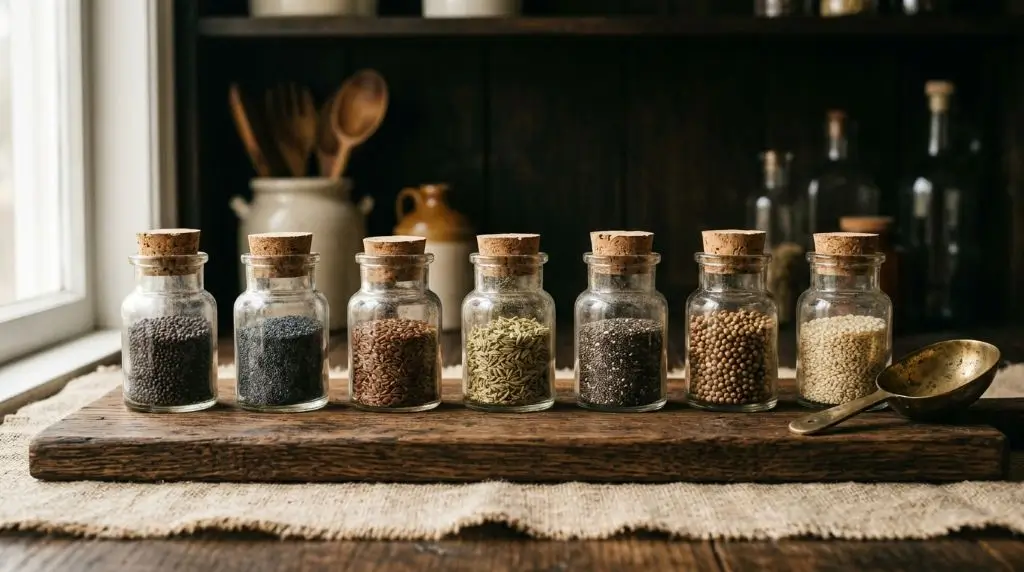
How Much Seeds Per Day Is Enough?
This is where people mess up. They hear seeds are healthy, so they eat half a cup and wonder why their stomach hurts.
For most seeds, one to two tablespoons per type is enough per day. If you are eating a mix, stick to about two to three tablespoons total. That gives you the nutrients without overloading on calories or fiber. If you are wondering how much seeds per day is safe, the answer depends on the person, but one to two tablespoons of any single seed is a solid starting point.
If you want variety, mix them. But do not overload. A tablespoon of chia, a tablespoon of pumpkin seeds, and a teaspoon of sesame is plenty for one day.
Your digestive system needs time to adjust. Start with one tablespoon total and build up over a week or two. If you are wondering how much mixed seeds to eat daily, two tablespoons of a mixed blend is a practical target for most adults, especially when you want convenience.
A simple mixed seed blend can also make daily use easier because you do not have to think about individual portions or combinations.
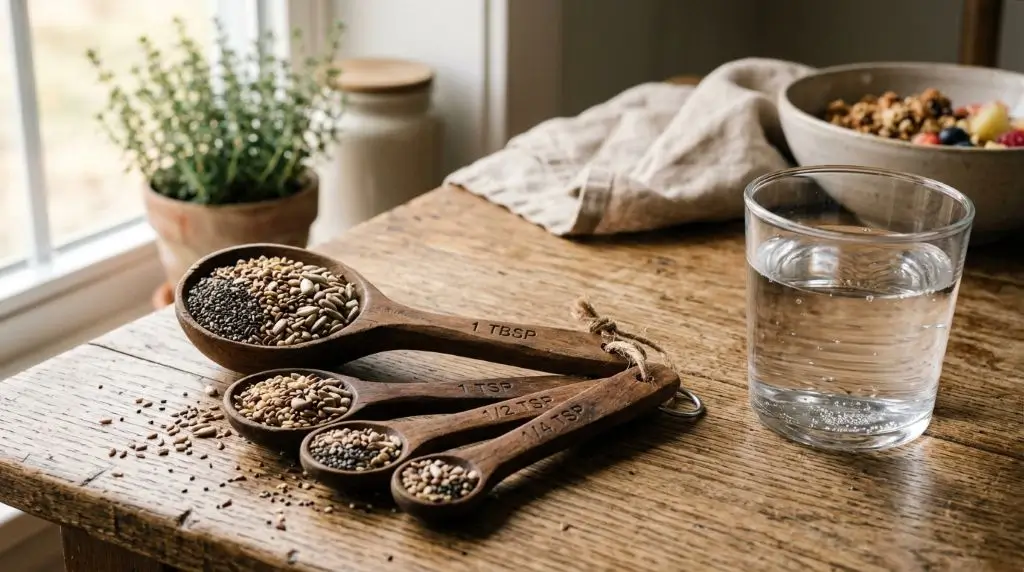
Best Seeds for Specific Goals
People eat seeds for different reasons. Here is how to match the seed to your goal without getting lost in details.
Best Seeds for Weight Loss
For weight loss, focus on fullness, not fat-burning.
No seed will burn fat while you sit on the couch. That is not how food works. But some seeds help you feel full, which makes it easier to eat less overall. Chia and flax are both high in fiber and swell with liquid. That fullness can help you get from lunch to dinner without grabbing a bag of chips.
So if you want the best seeds for weight loss, think chia and flax for the fullness factor, not for any magic effect.
Best Seeds for Protein
For protein, go where the numbers are highest.
If you need more protein and you do not eat much meat, hemp seeds stand out. Among all options, hemp seeds protein content makes them one of the easiest ways to add plant-based protein to everyday meals. They contain all the essential amino acids, which is rare for a plant food. Three tablespoons give you about 10 grams.
You can toss them into yogurt, smoothies, or salads without cooking anything. Pumpkin seeds are another solid choice with about 5 grams per ounce. Both work well if you want plant-based protein that requires zero prep time.
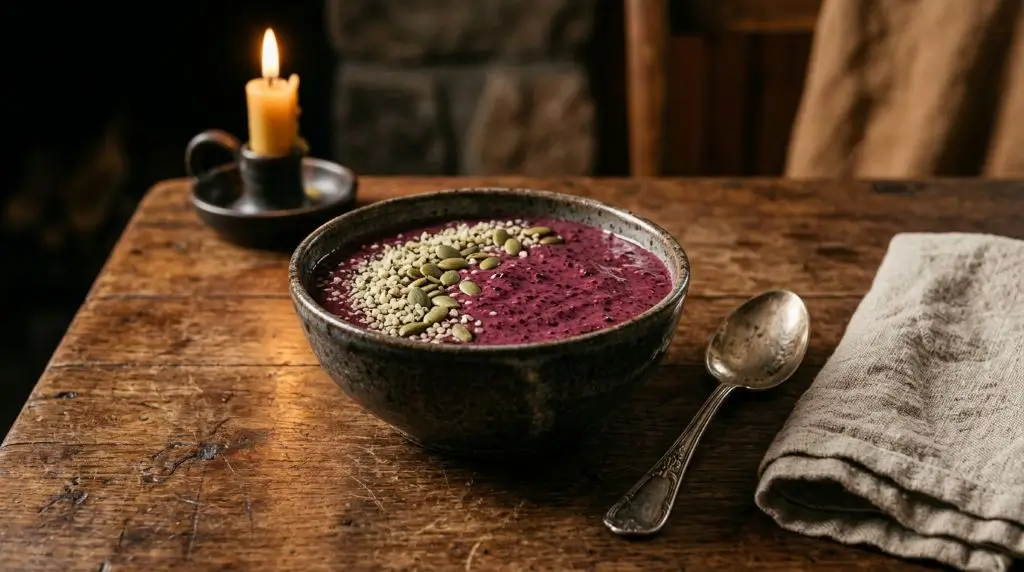
Best Seeds for Nutrition
For overall nutrition, keep it simple and balanced.
If you just want an all-rounder, chia and flax are hard to beat. They cover fiber, omega-3 fats, and minerals in one small package. Pumpkin seeds add zinc and magnesium.
A mix of these three gives you a wide range of nutrients without overthinking it. These are some of the best seeds for nutrition you can keep in your kitchen.
Flax Seeds Daily Intake vs Other Seeds
Each seed works a little differently when it comes to portion and preparation.
Flax stands out because of its lignans and omega-3 content, but your body cannot access those nutrients unless the seeds are ground.
Here is a simple comparison:
- Flax seeds: 1–2 tablespoons (ground)
- Chia seeds: ~2 tablespoons (whole)
- Pumpkin & sunflower seeds: ~1 ounce (about 3 tablespoons)
The key difference is not just the amount. It is how you prepare them.
- Flax: must be ground
- Chia: can be eaten whole
- Pumpkin & sunflower: ready to eat
Keep this in mind when planning your meals. The easier a seed is to use, the more likely you are to stick with it.
Can You Eat Seeds Every Day?
Yes, you can eat seeds every day.
In fact, consistency works better than occasional overuse. A small daily habit is more useful than eating a large amount once in a while.
Keep portions moderate. For most people, one to two tablespoons of mixed seeds per day is enough to support balanced eating without overdoing it.
If you have a digestive condition or take medication that affects blood clotting, it is worth checking with your doctor first. Seeds are food, not medicine, but it is still smart to consider your situation.
Simple Ways to Add Seeds to Meals
You do not need complicated recipes. Seeds fit easily into meals you already eat.
Here are five simple ways to use seeds daily:
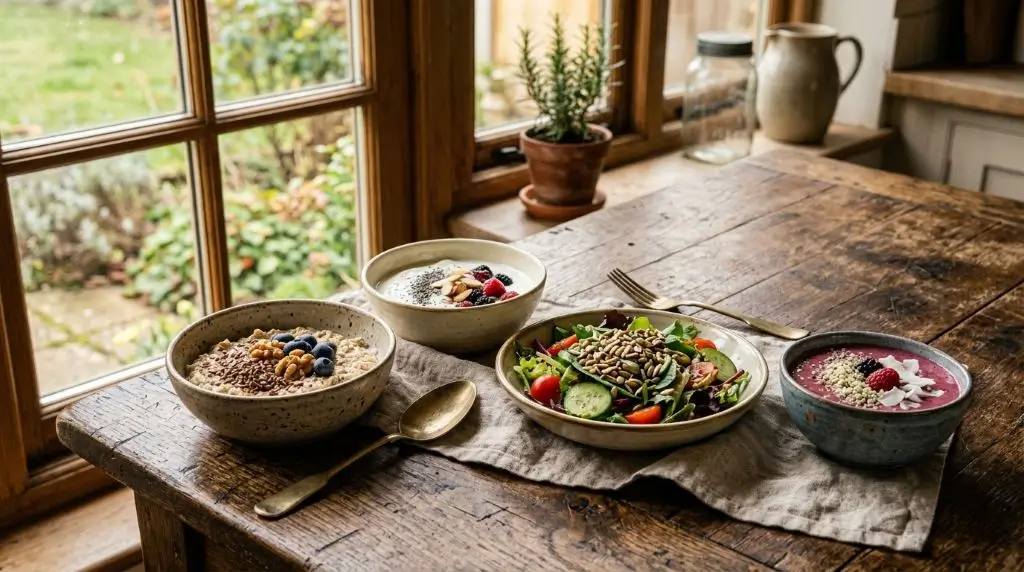
- Yogurt: Add a tablespoon of chia or hemp. Easy protein and texture.
- Oatmeal: Stir in ground flax or sunflower seeds. You will not taste it, but it adds nutrition.
- Smoothies: Blend chia, flax, or hemp. They disappear into the drink.
- Meals: Sprinkle pumpkin or sesame seeds over rice, salads, or vegetables for crunch.
- Snacks: Mix seeds into homemade energy balls or granola bars for a quick option.
Final Verdict: What Seeds Should You Actually Eat?
You do not need to eat all seven best seeds to eat daily. That is the truth.
Pick two or three that fit your taste and daily routine. That is where consistency comes from.
If you like smoothies, go with hemp and flax. If you want a crunchy snack, pumpkin and sunflower work well. If you cook Asian or Middle Eastern food, sesame is an easy fit.
Keep portions moderate. For most people, one to two tablespoons of a mixed seeds blend per day is enough to support balanced eating without overdoing it.
A mixed seeds approach is often the easiest way to follow the best seeds to eat pattern in real life because you do not have to track each seed separately.
Seeds are not the main event. They are a simple add-on that helps fill gaps, add texture, and make everyday food more complete.
FAQs about Best Seeds to Eat
Q1: How much seeds per day is safe?
For most adults, 1–2 tablespoons of a single seed type or 2–3 tablespoons of mixed seeds per day is a safe range. If you are new to seeds, start with a smaller amount and increase gradually.
Q2: Are seeds good for digestion?
Yes, seeds can support digestion because they are high in fiber. They work best when you drink enough water and increase your intake slowly so your body can adjust.
Q3: Can you eat seeds every day?
Yes. Most people can eat seeds daily in moderate amounts. The key is consistency, not large portions.
Q4: What are the best seeds for weight loss?
Chia and flax are commonly used because their fiber helps increase fullness. They do not burn fat, but they can help control appetite as part of a balanced diet.
Q5: Should you eat mixed seeds daily?
Yes, you can. A mix of seeds can be healthy as long as you keep the total amount around 2 tablespoons per day. This gives variety without overloading calories or fiber.
Q6: Are seeds better eaten raw or roasted?
Both work. Raw seeds keep more natural nutrients, while roasted seeds often taste better and are easier to digest for some people. The best choice is the one you will actually eat consistently.
Q7: What is the best time to eat seeds?
There is no strict best time. Many people add them to breakfast or snacks because it is easier to stay consistent. Morning or midday usually works best for digestion and routine.
Q8: Do seeds help with protein intake?
Yes, some seeds like hemp, pumpkin, and flax contain plant-based protein. They are not a complete protein source on their own, but they can help add extra protein to daily meals.
Food & Nutrition Writer at PureHealthBites

Nadeem Sharif is the voice behind PureHealthBites, a blog focused on simple nutrition and everyday food choices. With hands-on experience experimenting with ingredients and meals, he shares practical, gut-friendly ideas to help readers eat well, feel better, and build healthier habits for real life.
Connect With Nadeem