
Introduction
You open the fridge at 7 AM. There it sits. A tub of cottage cheese, half-finished, pushed behind the almond milk. You bought it because someone on the internet said it was packed with protein. But now you are staring at the curds wondering if this is actually doing anything for you, or if it is just another food that sounds healthy but sits in the back of your fridge until it expires.
That is the thing about cottage cheese. People cannot agree on it. Some call it a diet staple. Others call it bland, old-fashioned, or just diet food from the 1980s. You have probably asked a few of these questions yourself. Is cottage cheese healthy? Is cottage cheese good for weight loss? Is the full fat kind bad? And honestly, is it even better than Greek yogurt, or is that just something people say?
This article is going to clear that up. No hype. No miracle promises. Just a straight look at cottage cheese nutrition facts, what the calories and protein actually mean, and how to use it in real life without turning your kitchen into a science lab.
Table of Contents
Cottage Cheese Nutrition Facts
Here is the short answer. Looking at cottage cheese nutrition facts, it is easy to see why it remains a strong everyday protein food. It is not magic. It is not going to fix your diet overnight. But it delivers real stuff your body can use.
A plain serving gives you protein, calcium, phosphorus, and B vitamins. You can also find it in different fat options, which matters more than people think. That is where the confusion starts. Someone picks up a tub of low-fat cottage cheese, sees the word “low-fat,” and assumes they are holding a health food. Someone else grabs the full-fat version, sees the higher calorie count, and feels like they made a mistake. Neither person is really wrong. They just are not reading the full picture.
The truth is, not all cottage cheese is the same. Some brands add a lot of salt. Some add stabilizers or thickeners. Some flavored versions pack in more sugar than you would expect. So when we talk about cottage cheese nutrition, we are really talking about a range.
If you want to compare how another high-protein dairy option stacks up, this breakdown of Greek Yogurt vs Regular Yogurt helps put things in perspective.
The plain stuff with a short ingredient list is generally what you want if you are trying to eat better. The rest comes down to reading the label and knowing what you are looking for.
Cottage Cheese Calories and Protein Breakdown
This is the part everyone Googles. How many calories are in this stuff, and is the protein actually worth it?
Let us talk serving size first, because this trips people up. A lot of nutrition labels use a half-cup serving. That is about four ounces. But most people scoop closer to a full cup without measuring, especially if they are eating it as a meal and not just a side. So keep that in mind when you read the numbers.
For a typical low-fat cottage cheese, a half-cup serving runs around 90 to 110 calories and delivers about 12 to 14 grams of protein, according to the USDA FoodData Central database. A full-fat version might sit closer to 110 to 130 calories for the same amount, with 11 to 13 grams of protein. The protein stays pretty close either way. The main difference is the fat content and how full you feel afterward.
Here is why that protein density matters. Protein helps you feel satisfied. When you eat something with 13 grams of protein, you are not hungry again twenty minutes later. Compare that to a bag of chips with similar calories and almost no protein. You eat the chips, your brain gets a quick hit, and then you are digging through the pantry again. Cottage cheese calories and protein matter most when you want a food that keeps you full without adding unnecessary calories.
This same idea shows up in other dairy foods too, especially in how protein-rich options support everyday eating habits, which is explained in Benefits of Eating Yogurt Everyday.
Is Cottage Cheese Healthy?
Yes, but context matters. That is the honest answer.
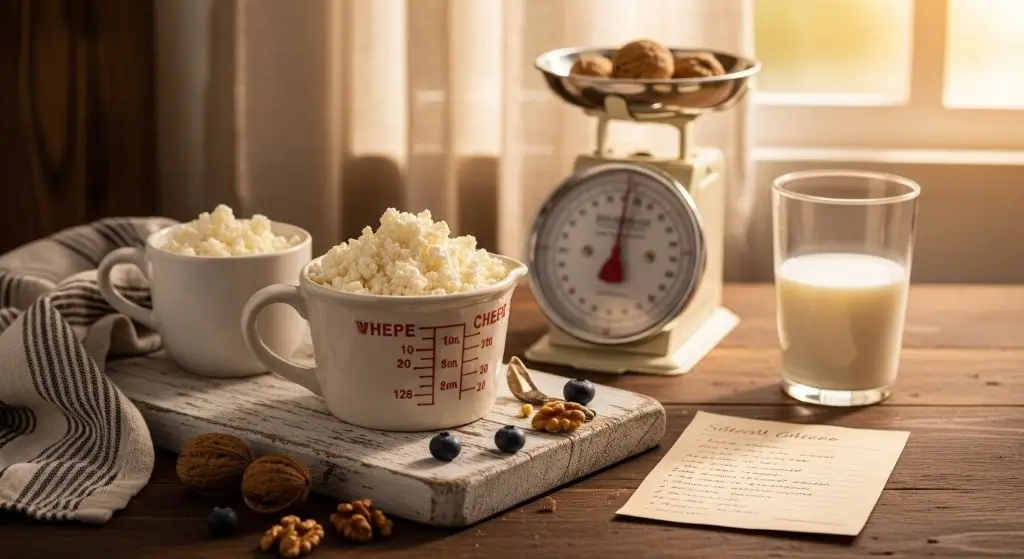
The health benefits are real. The high protein supports muscle maintenance and helps you feel full. The calcium and phosphorus are good for bone health. Plain versions usually have a simple ingredient profile: cultured milk, cream, salt, and enzymes. That is it. Usually without a long list of extra additives or stabilizers.
The main concern people raise is sodium. Cottage cheese can be salty. Some brands hit 400 milligrams or more per half-cup. If you are watching your blood pressure or trying to keep sodium low, that is something to pay attention to. The American Heart Association notes that most adults should aim for less than 2,300 milligrams of sodium per day, so one serving of cottage cheese can take up a noticeable chunk of that. But sodium does not automatically make a food unhealthy. It just means you need to look at the brand, compare labels, and balance it with the rest of what you eat that day.
So is cottage cheese healthy? For most people, yes. It is a simple, whole-food-style option that delivers protein and nutrients without a lot of processing. Just do not ignore the label.
Low Fat vs Full Fat Cottage Cheese Nutrition
This is where people get stuck. We have been trained to think low-fat equals healthier. But it is not that simple.
Full Fat Cottage Cheese Nutrition
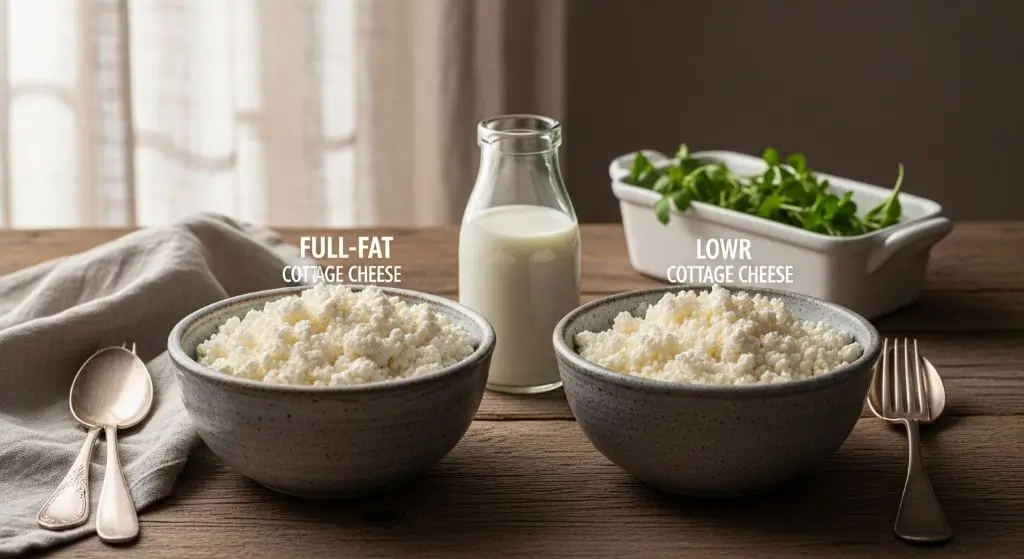
Full-fat cottage cheese naturally has more calories and more fat per serving. But the texture is richer and creamier. For some people, that richness means they feel satisfied faster and eat less overall. If you are someone who needs meals to feel substantial, full-fat might keep you full longer. It can fit well into a balanced diet, especially if your goal is satisfaction rather than cutting every possible calorie. Research from Harvard T.H. Chan School of Public Health suggests that full-fat dairy does not necessarily lead to weight gain and may even support satiety in some individuals.
Low Fat Cottage Cheese Nutrition
Low-fat versions save you some calories, usually twenty to forty per serving. The protein stays similar in many brands. If you are in a fat-loss phase and counting every calorie, this can be useful. It gives you a high-protein food without using up much of your daily budget.
Which One Is Better?
It depends on your goals, your appetite, and what you actually like. If you eat the low-fat kind but end up hungry and snacking an hour later, it is not helping you. If you eat the full-fat kind but it pushes your daily calories too high, that might not fit either. There is no moral judgment here. One is not good and the other bad. Consistency matters more than the exact fat percentage on the label.
Is Cottage Cheese Good for Weight Loss?
Yes, but only if it fits within your overall calorie balance. That is the part no one wants to say, but it is true.
Cottage cheese helps with weight loss because of the protein and hunger control. When you are not starving all day, you make better choices. It also replaces weaker snack options really well. Instead of grabbing crackers or a granola bar that leaves you wanting more, you eat half a cup of cottage cheese with some berries. You actually feel like you ate something.
But it is not a fat-burning food. No single food causes fat loss on its own. If you add cottage cheese to your diet without adjusting anything else, you are just adding calories. The real-world difference looks like this. Replacing an afternoon bag of chips with cottage cheese and cucumber is a smart move. Adding cottage cheese on top of your normal lunch because you heard it was healthy is just extra food.
So is cottage cheese good for weight loss? It can be a useful tool. Just do not treat it like a magic trick.

Can You Eat Cottage Cheese Everyday?
A lot of people worry about this. They think eating the same healthy food daily might backfire somehow.
The answer is yes, most people can eat cottage cheese everyday without a problem. It is a real food. It is not a supplement or something you need to cycle on and off.
That said, there are things to think about. Sodium can add up if you eat it twice a day and do not pay attention to the brand. Portion size matters too. A half-cup is a reasonable serving. Two cups is a lot of dairy in one sitting. And you still want variety in your diet overall. Eating cottage cheese daily is fine. Relying on it as your only source of protein or calcium is not ideal. The Mayo Clinic emphasizes that a balanced diet with varied nutrient sources supports long-term health better than relying on any single food.
The practical angle is this. If you like it and it helps you hit your protein goals, eat it regularly. Just keep an eye on the rest of your plate.
Cottage Cheese vs Greek Yogurt Nutrition
This comparison comes up constantly, and for good reason. They sit next to each other in the dairy aisle and both get labeled as high-protein health foods.
If you want a deeper breakdown of how Greek yogurt compares in real nutrition terms, Is Greek Yogurt Healthier., where the differences in protein, fat, and daily use are explained in detail.
Protein Comparison
Greek yogurt often has slightly more protein per serving, usually around 15 to 20 grams per cup depending on the brand. Cottage cheese is close behind, usually 12 to 14 grams per half-cup. The texture is different though. Greek yogurt is smooth and thick. Cottage cheese is chunky and wetter. Some people find cottage cheese more filling because of the texture. Others prefer yogurt because it blends easier into smoothies.
Calories and Fat Comparison
The numbers are pretty similar when you match serving sizes and fat percentages. A low-fat Greek yogurt and a low-fat cottage cheese are going to land in the same neighborhood calorie-wise. Full-fat versions of both will be higher. The real difference is taste and how you use them.
For a closer look at how lower-fat versions fit into daily eating habits, you can also read
Is Nonfat Greek Yogurt Healthy, where the nutrition differences and real-world use cases are explained in detail.
Which Is Better for Daily Use?
For breakfast, Greek yogurt mixes easily with oats and honey. Cottage cheese works better in savory bowls or with eggs. For snacks, cottage cheese pairs well with vegetables. Greek yogurt leans sweeter with fruit. If you prefer savory food, cottage cheese might fit your life better. If you like sweet breakfasts, yogurt might win.
The truth is, neither is better across the board. Consistency matters more than picking the “best” one. If you will actually eat cottage cheese, eat it. If yogurt is what you grab, that is fine too.
Best Ways to Add Cottage Cheese to Your Daily Diet
You do not need fancy recipes. You need habits that are easy to repeat.
Here are a few simple ways to make cottage cheese easier to eat regularly:
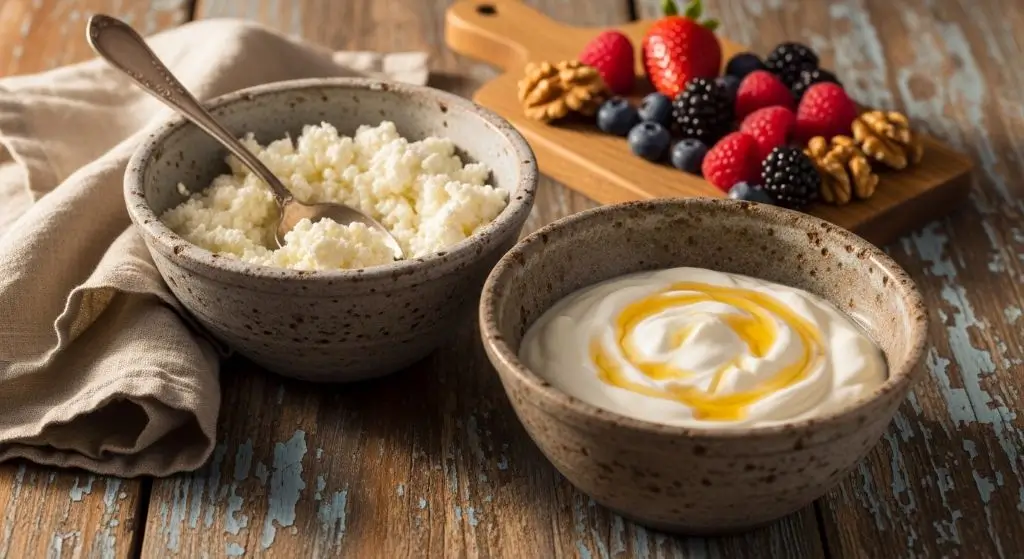
Try a breakfast bowl with cottage cheese, a handful of berries, and some chopped nuts. Or go savory with cucumber, tomato, a drizzle of olive oil, and black pepper. Spread it on toast instead of cream cheese. Pair it with scrambled eggs for a high-protein morning. Toss it into a lunch bowl with greens and grilled chicken. Or just eat it plain with a little salt and pepper when you need a quick snack that holds you over until dinner.
The key is keeping it simple. If it takes too long or requires too many ingredients, you will not do it regularly. Cottage cheese works best when it is easy.

When Cottage Cheese Is Not Ideal
Not every tub in the dairy section is a good option. Flavored versions with fruit on the bottom or added sugar can turn a healthy food into something closer to dessert. Overeating portions is another trap. It is easy to scoop out a cup and a half without measuring, which adds up fast if you are tracking calories. Ignoring sodium completely can also be a mistake, especially if you already eat a lot of processed food.
This is where cottage cheese nutrition can quietly work against your goals if you stop paying attention to portions, sugar, and sodium.
The biggest mistake is treating cottage cheese like a health halo food. Just because it is cottage cheese does not mean you can eat unlimited amounts or that it fixes a diet full of processed meals. It is one piece of the puzzle, not the whole picture.
Final Verdict: Should You Eat Cottage Cheese?
Yes, for most people, cottage cheese is a solid choice. What actually matters is the protein content, the sodium level, your portion size, and which type you choose. Plain versions are generally better than heavily flavored ones. Food should be practical, not perfect.
Looking at cottage cheese nutrition facts as a whole, the goal is simple: choose the version that fits your routine.
You do not need to overcomplicate this. Cottage cheese is a useful protein food. It is not a miracle food. It works for breakfast, snacks, weight management, and simple meal building. The real win is building sustainable eating habits you can stick with. Practical nutrition beats perfect nutrition every time.
FAQs: Cottage Cheese Nutrition Facts
1. What are cottage cheese nutrition facts?
Cottage cheese is high in protein and provides calcium, phosphorus, and B vitamins. A typical serving contains about 90–130 calories and 11–14 grams of protein depending on fat level.
2. How many calories are in cottage cheese?
A half-cup serving of cottage cheese usually has 90 to 130 calories. Low-fat versions are slightly lower, while full-fat versions are slightly higher.
3. Is cottage cheese high in protein?
Yes. Cottage cheese is considered a high-protein food, with around 11–14 grams of protein per half-cup serving, making it useful for fullness and muscle support.
4. Is cottage cheese healthy?
Yes, cottage cheese can be healthy when eaten in moderation. It provides protein and nutrients, but sodium levels can be high in some brands, so label reading is important.
5. Is cottage cheese good for weight loss?
Cottage cheese can support weight loss because it is high in protein and helps with fullness. However, overall calorie balance still matters most.
6. Can you eat cottage cheese every day?
Yes, most people can eat cottage cheese daily. It’s best to choose plain versions and balance it with other protein and whole foods in your diet.
7. What is better for protein: cottage cheese or Greek yogurt?
Both are high in protein. Greek yogurt is usually slightly higher per serving, but cottage cheese is very close and can feel more filling due to its texture.
8. Is full-fat cottage cheese unhealthy?
No, full-fat cottage cheese is not unhealthy. It has more calories and fat but can increase satiety. It depends on your overall diet and goals.