
Introduction
You have probably seen chia seeds everywhere lately. They sit on top of smoothie bowls, show up in pudding recipes, and get mixed into oatmeal as a “superfood” add-on. So you buy a bag, and then pause in your kitchen wondering what to actually do with them.
If you are wondering are chia seeds healthy for everyday eating, digestion, or weight management, the answer depends more on how you use them than on any trendy label.
Here is the honest truth. Many people buy chia seeds because they hear the hype, but they are not sure if they are actually useful or just another passing trend. So the real question is simple: are chia seeds healthy enough for everyday use, or just another overhyped food?
This guide breaks down chia seeds nutrition value, how to use them properly, and what actually matters for your daily routine.
Table of Contents
What Makes Chia Seeds Healthy?
Chia seeds may be tiny, but their nutrition profile makes them useful in everyday meals. They provide fiber, plant-based omega-3 fats, and minerals in a very small serving.
Chia seeds come from a plant called Salvia hispanica. It is related to mint and grows in Central and South America. According to the Harvard T.H. Chan School of Public Health, people have eaten these tiny seeds for hundreds of years, but they have become popular in grocery stores only in the last decade.
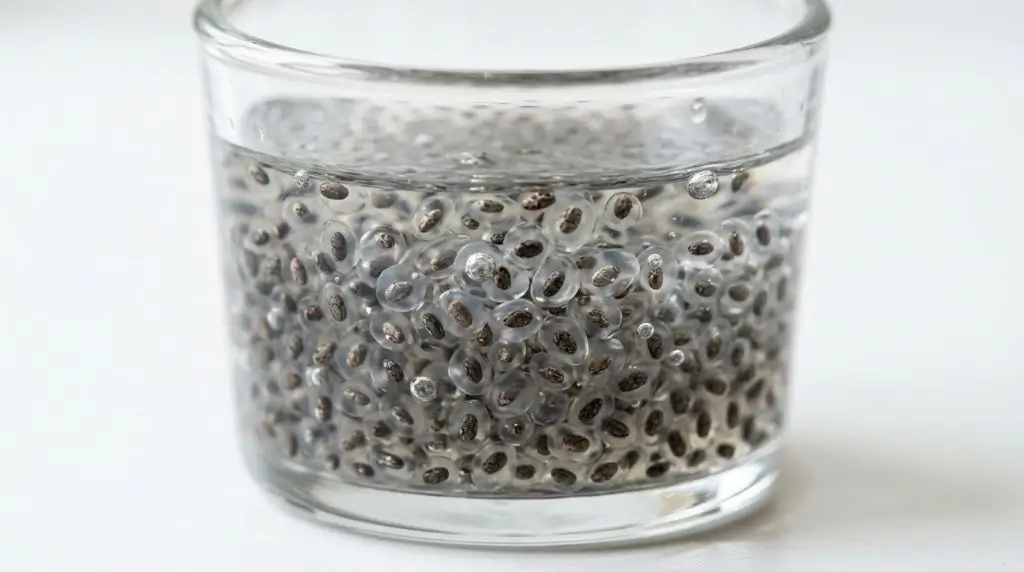
They are small, oval, and usually black or white. When you add liquid, they swell up and develop a gel-like coating. That texture change is part of what makes them useful in everyday meals.
Chia Seeds Nutrition Facts at a Glance
Let us look at what you actually get in one ounce, which is about two tablespoons.
According to U.S. Department of Agriculture FoodData Central, a small serving contains roughly:
- 138 calories
- 11 grams of fiber
- 9 grams of fat
- 5 grams of protein
The fat content matters because much of it comes from plant-based omega-3 fats. The National Institutes of Health explains that your body needs these fats but cannot make them on its own.
The chia seeds nutrition facts also include important minerals:
- Calcium
- Magnesium
- Iron
- Zinc
- Phosphorus
You get about 18 percent of your daily calcium needs and roughly 30 percent of your daily magnesium needs in that same small serving.
This is why chia seeds nutrition value matters even in small amounts. You do not need a huge bowl to get useful nutrition. One or two tablespoons can add meaningful fiber, healthy fats, and minerals to meals you already eat.
The key is simple: chia seeds should support your meals, not replace them.
Are Chia Seeds Good for Digestion?
Fiber is the main reason people talk about chia seeds and digestion.
That same one-ounce serving contains 11 grams of fiber. For many adults, that is a significant amount of daily fiber from a very small portion. The Mayo Clinic notes that fiber helps keep things moving through your system at a steady pace.
Chia seeds also absorb a large amount of liquid and develop a gel-like texture when soaked.
Here is how that works:
- Dry chia seeds pull in liquid during digestion and expand
- Soaked chia seeds already have that gel coating
- Many people find soaked chia seeds gentler on the stomach
So are chia seeds good for digestion? For many people, yes.
The fiber adds bulk to meals, which can help improve fullness and support regular digestion. The gel-like texture can also help things move more smoothly.
But portion size matters.
If you eat too many dry chia seeds without enough water, you may feel bloated or uncomfortable. Your digestive system needs enough fluid to handle that much fiber.
How you eat them changes the experience. If you are new to chia seeds, start with a small amount, soak them first, and drink enough water. That usually works best.
Are Chia Seeds Healthy for Everyday Eating?
Many people ask whether chia seeds are healthy enough to eat every day or only occasionally. or if they should only be used occasionally. The good news is that daily use can be simple and practical. You just need realistic portions, enough water, and a routine that fits your normal meals.
If you are looking for more options beyond chia, our guide on the best seeds to eat daily breaks down simple choices you can rotate through your meals.
Can You Eat Chia Seeds Everyday?
Yes, you can eat chia seeds every day. Many people do. They stir them into breakfast foods or drinks without thinking much about it. The real question is whether you need to eat them every day. You do not. But if you enjoy them and they help you build better meal habits, then daily use makes sense.
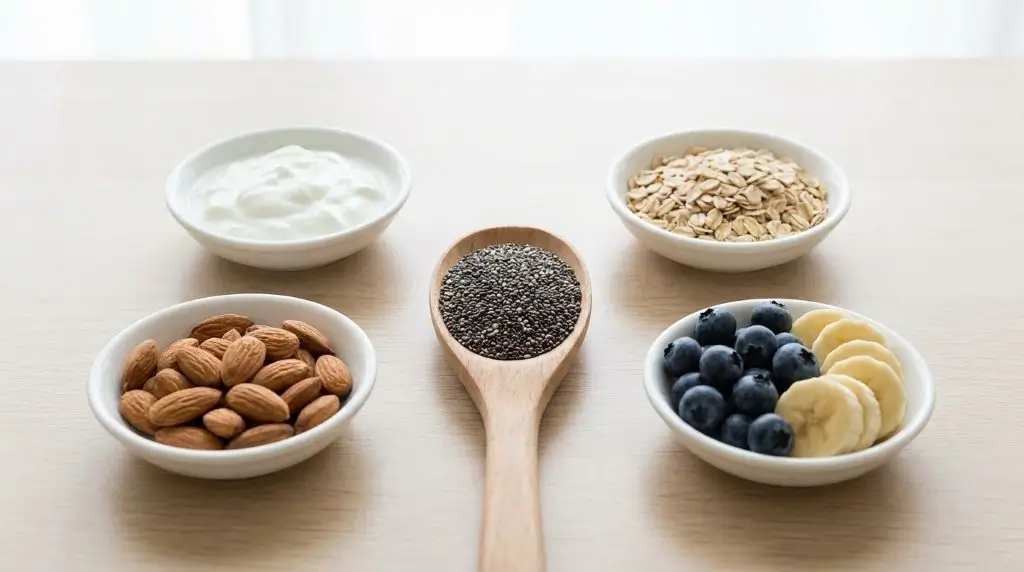
Moderation works better than extremes. You do not need to add chia seeds to every single meal. One serving per day is plenty for most people. Think of them as a helper, not a requirement. Simple ways to include chia regularly include stirring a spoonful into yogurt, blending them into a smoothie, or mixing them into oatmeal. It takes about ten seconds and adds texture and nutrition to food you already planned to eat.
If you are deciding between seeds, our guide on Flaxseed vs Chia Seeds explains how they compare for daily use and which one fits more easily into everyday meals.
So can you eat chia seeds everyday? Absolutely. Just keep it reasonable and make sure you drink water with them.
How Much Chia Seeds Per Day Is Reasonable?
Most people do well with one to two tablespoons per day. That is roughly 15 to 30 grams. Some nutrition experts suggest starting with one tablespoon, especially if your current diet is not very high in fiber. Jumping straight to two or three tablespoons can shock your system if you are not used to that much fiber.
Starting small helps your body adjust. It also lets you figure out how you like the texture. Some people enjoy the texture once the seeds absorb liquid, while others need time to get used to it. One tablespoon gives you a chance to test it out without committing to a large amount.
Water intake matters here. Because chia seeds absorb so much liquid, you need to drink enough water during the day. If you eat chia seeds and then forget to hydrate, you might feel bloated or sluggish. A good rule is to drink a full glass of water with your chia serving. If you are soaking them beforehand, that helps too because the seeds have already absorbed liquid before they reach your stomach.
Chia Seeds for Weight Loss: What Actually Helps?
Many people look at chia seeds for weight loss because they are high in fiber and can make meals feel more filling. But let us be clear: chia seeds are not a magic solution for weight loss. No single food can do that. They can support better eating habits, and that matters far more than trendy claims.
Do Chia Seeds Help With Fullness?
Yes, chia seeds can help you feel full. The fiber and protein in them slow down digestion. When you add chia to a meal, that meal stays with you longer. You might find yourself less interested in snacking an hour later. That is where the real benefit lives.
Breakfast is a common place where chia seeds shine. If you stir them into oatmeal or yogurt, your breakfast becomes more filling. You are not starving by mid-morning. That makes it easier to stick with your planned meals instead of grabbing something convenient but less satisfying.
The most important part is realistic expectations. Chia seeds for weight loss work only when they fit into an overall pattern of balanced eating. Chia seeds support fullness, but they do not directly lead to fat loss on their own. Adding chia seeds to a high-sugar meal does not automatically make it balanced.
Why Chia Seeds Alone Are Not a Weight Loss Shortcut
There is no miracle food. Chia seeds are nutritious, but they still contain calories. Two tablespoons have about 138 calories. If you add three servings a day without adjusting anything else, those calories add up just like any other food.
Your habits matter more than any single ingredient. Do you eat regular meals? Do you include vegetables and protein? Do you move your body during the day? Those questions matter far more than whether you ate chia seeds this morning.
Avoiding unrealistic expectations keeps you from getting frustrated. Chia seeds are a tool. They are not a guarantee. Use them to make meals more satisfying, not to chase quick results.
Chia Seeds Benefits and Side Effects
Chia seeds offer real nutrition benefits for many people, but like any high-fiber food, they can also cause side effects if you overdo them. Understanding both the benefits and the possible downsides helps you use chia seeds in a practical and balanced way.
Common Benefits People Notice
Here are what people often notice when they add chia seeds to their routine:
- Better meal satisfaction. A smoothie with chia in it feels more like a meal than a drink. Oatmeal with chia on top keeps you full until lunch. These small upgrades make daily eating feel easier.
- Easier breakfast upgrades. If you usually eat something light and find yourself hungry by 10 a.m., adding chia seeds might bridge that gap. You do not need to change your whole breakfast. Just stir in a spoonful.
- Practical nutrition support. Chia seeds add fiber, omega-3 fats, and minerals without changing the flavor of your food much. They are a low-effort way to make meals more nutritious.
Possible Side Effects If You Overdo It
Watch out for these issues if you go overboard:
- Bloating and gas. If you eat too many chia seeds too quickly, your digestive system might protest. The fiber is helpful in the right amount, but too much too fast can cause gas and discomfort.
- Digestion discomfort. This usually happens when people eat dry chia seeds without enough water. Remember, these seeds expand. If they expand in your stomach and there is not enough liquid around, you might feel heavy or cramped.
- Too much fiber too quickly. This is a problem for anyone, not just chia seed eaters. If your usual diet is low in fiber, jumping to two tablespoons of chia on day one is aggressive. Start with a teaspoon and work your way up over a week or two.
- Dehydration-related issues. Soaking the seeds helps many people avoid these problems. When chia seeds are already hydrated, they pass through more comfortably. Drinking enough water throughout the day is also important because chia seeds absorb a large amount of liquid, and hydration helps improve digestion comfort.
Chia Seeds vs Flax Seeds Nutrition
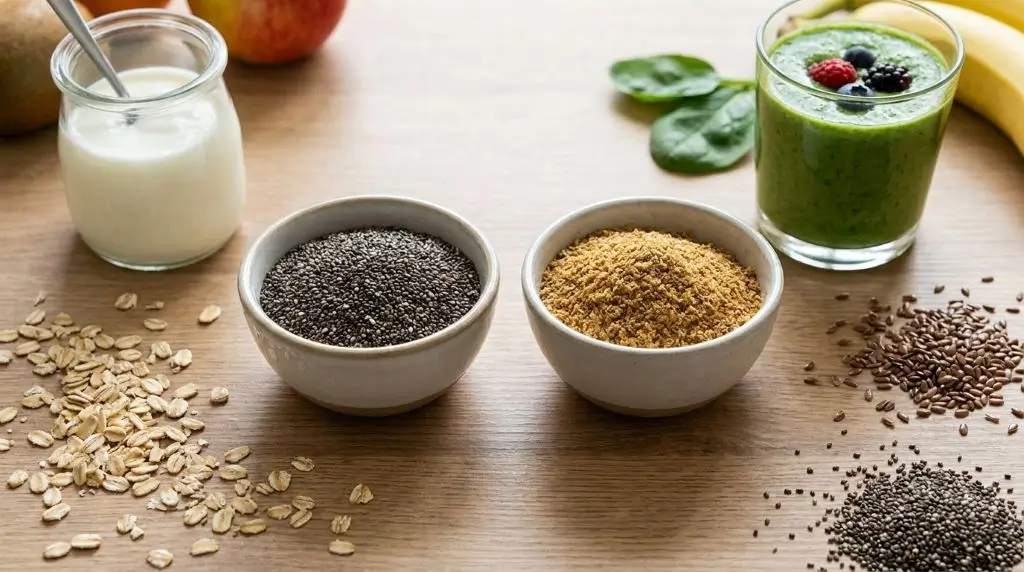
People often wonder whether chia seeds or flax seeds are the better everyday choice. Both offer fiber, plant-based omega-3 fats, and useful minerals, but they work differently in real meals. Understanding chia seeds vs flax seeds nutrition helps you choose the option that fits your routine, not just the trend.
Which Seed Is Better for Daily Use?
Let us compare them directly. Both chia seeds and flax seeds are high in fiber. Flax seeds actually have slightly more fiber per ounce in some measurements, but both are excellent sources. The omega-3 fats are present in both, though flax seeds contain more lignans, which are plant compounds with antioxidant properties.
Texture differs a lot. Chia seeds are crunchy when dry and gel-like when soaked. Flax seeds stay relatively firm unless you grind them. That texture difference changes how you use them in food.
Digestion ease depends on preparation. Ground flax seeds are easier to digest than whole flax seeds. Your body cannot break down the hard shell of a whole flax seed, so you might miss some of the nutrition. Chia seeds do not need grinding. Your body can access their nutrients even when they are whole.
Cost and convenience vary by store. In some places, flax seeds are cheaper. In others, chia seeds cost less. Check your local grocery store and compare. Both last a long time in the pantry, so you do not need to use them up quickly.
Whole vs ground use is a major difference. Flax seeds should be ground for full nutrition. Chia seeds can be eaten whole. If you do not own a grinder and do not want to buy ground flax, chia seeds are more convenient.
Which One Fits Better in Real Life?
Flax seeds work well when you want something subtle. Ground flax blends into muffins, pancakes, and oatmeal without changing texture much. You barely know it is there.
Chia seeds work better for soaked recipes. Chia pudding is popular because the seeds create a thick, tapioca-like texture. They also work well in drinks because they add texture and thickness without changing the flavor much.
Choosing based on habit makes more sense than following trends. If you love making overnight oats and pudding, chia seeds are a natural fit. If you bake regularly and want to sneak nutrition into bread or muffins, flax seeds might be easier. You can also use both. They do not cancel each other out.
If flax seeds feel like a better fit for your routine, our guide on how to eat flaxseed daily explains the best ways to use them without overdoing it.
Best Ways to Add Chia Seeds to Meals
You do not need fancy recipes to make chia seeds useful. They fit easily into foods you already eat, which is why they work better as a daily habit than as a special health trend. The real trick is choosing methods that match your taste, texture preference, and routine.
These are some of the easiest ways to make chia seeds part of everyday eating without overthinking your meals.
Easy Daily Chia Seed Ideas
Here are simple ways to use chia seeds without changing your routine much:
- Yogurt. This is the easiest starting point. Stir a tablespoon of chia seeds into your yogurt, wait five minutes, and eat. The seeds soften slightly and add a pleasant crunch or gel texture depending on how long you wait.
- Smoothies. These hide chia seeds completely. Toss them into the blender with your fruit and liquid. They blend in and thicken the smoothie slightly. You get the nutrition without noticing the texture.
- Oatmeal. This is a natural match. Sprinkle chia seeds on top after cooking, or stir them in while the oatmeal is still hot. They absorb some of the liquid and make the oatmeal creamier.
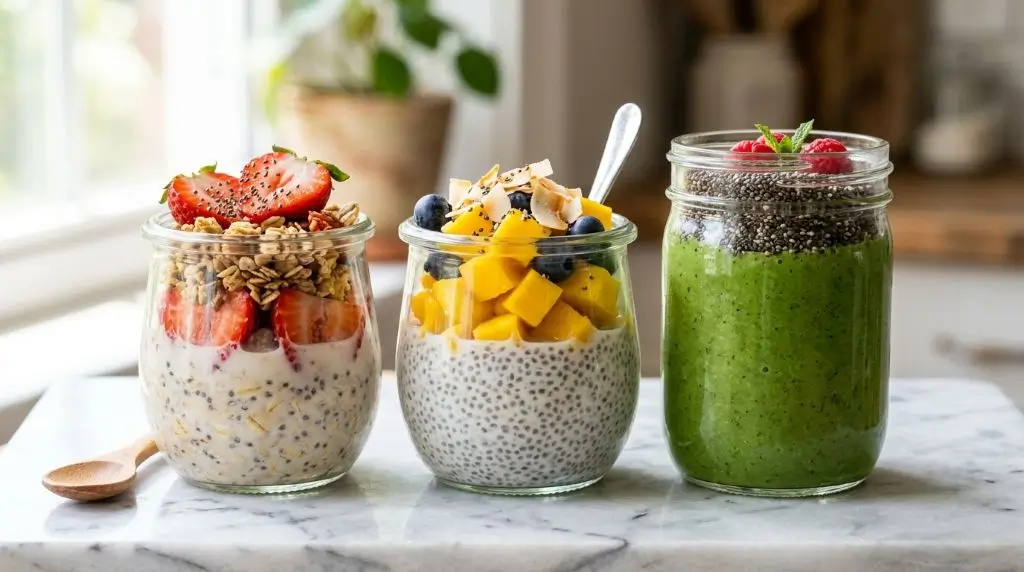
- Overnight oats. These work even better because the chia seeds have hours to soak. Mix oats, milk, chia seeds, and fruit in a jar. Leave it in the fridge overnight. By morning, the chia seeds have expanded and created a pudding-like texture.
- Chia pudding. This is a classic for a reason. Mix three tablespoons of chia seeds with one cup of milk or a milk alternative. Add a little honey or maple syrup. Let it sit in the fridge for a few hours or overnight. The result is a thick, satisfying pudding that works for breakfast or a snack.
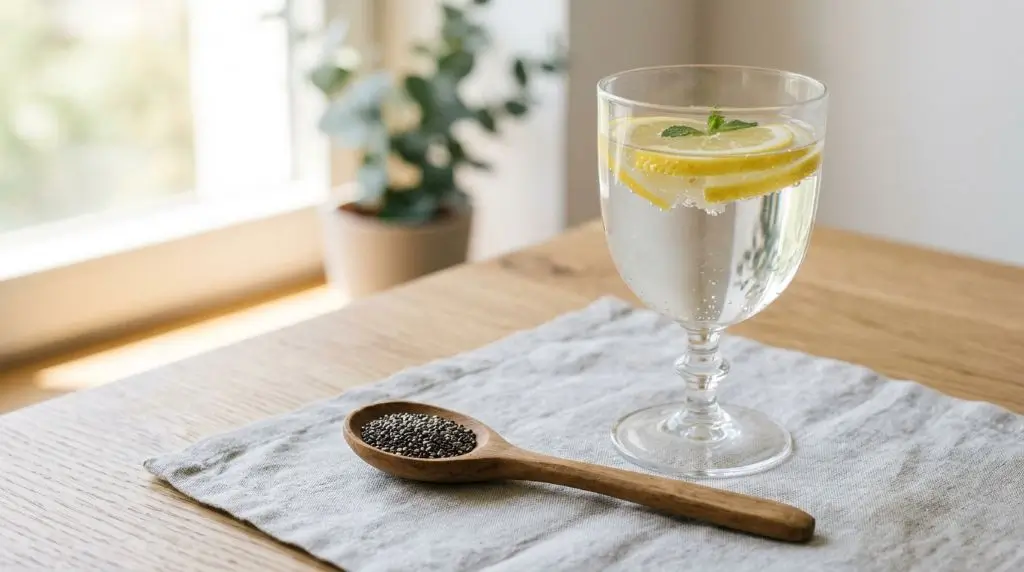
- Water-based drinks. These are simple but effective. Stir chia seeds into lemon water or iced tea. Let them sit for ten minutes so they gel up. The drink becomes more filling, and the texture is interesting without being overwhelming.
Dry vs Soaked Chia Seeds
How you prepare chia seeds changes the experience. Here is what to know:
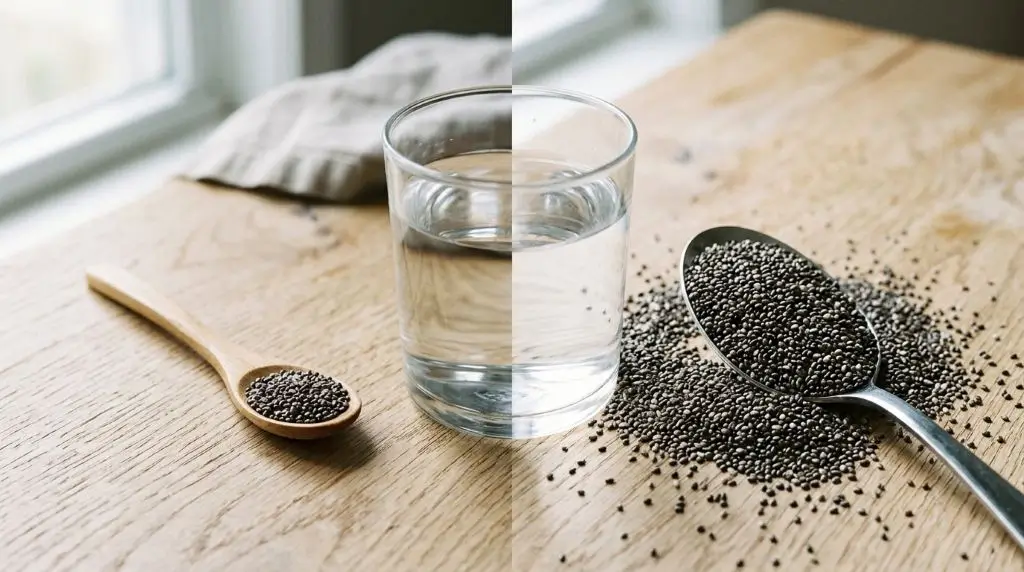
- Soaking helps many people enjoy them more. When soaked, the seeds develop that gel coating. Some people love this texture. Others do not. There is no right answer. It is personal preference.
- Texture differences are obvious. Dry chia seeds are crunchy like poppy seeds. Soaked chia seeds are soft and squishy, similar to tapioca pearls. If you have never tried them soaked, it is worth testing both ways.
- Digestion comfort often improves with soaking. The seeds have already absorbed liquid, so they do not pull water from your digestive tract. Many people find soaked chia seeds easier on the stomach, especially when they are new to eating them.
Final Verdict: Are Chia Seeds Healthy?
Yes, chia seeds are healthy when you use them in a practical way. They are not a miracle food. They will not fix a poor diet or replace vegetables, protein, and whole grains. But they can support better eating habits without the hype.
For most people, one to two tablespoons per day is enough to get the benefits of chia seeds without unnecessary side effects. A little goes a long way because the nutrition is concentrated, and you do not need to load every meal with them.
Consistency beats extremes. Eating chia seeds a few times a week as part of balanced meals is better than forcing them into everything for a month and then giving up. Find two or three ways you actually enjoy and stick to those. They add fiber to breakfast, make smoothies more filling, and offer a simple way to include more plant-based omega-3 fats. That is enough. You do not need exaggerated claims to get real value from them.
Frequently Asked Questions About Chia Seeds
Q1: Are chia seeds healthy to eat every day?
Yes, many people eat them daily without issues. Keep your portion to one or two tablespoons and drink plenty of water.
Q2: How much chia seeds should you eat per day?
One to two tablespoons, or about 15 to 30 grams, is a reasonable amount for most adults. Start with less if you are new to high-fiber foods.
Q3: Are chia seeds good for digestion?
They can be. The high fiber content supports regular digestion. Soaking them first and drinking water helps avoid discomfort.
Q4: Are chia seeds better than flax seeds?
Not necessarily. They are different. Chia seeds are more convenient because they do not need grinding. Flax seeds offer more lignans. Choose based on your habits and preferences.
Q5: Do chia seeds help with weight loss?
They can support weight management by increasing fullness, but they are not a weight loss shortcut. Balanced meals and consistent habits matter more.