Medical Disclaimer: This article is for informational purposes only and does not replace professional medical advice. See our full disclaimer.
Introduction
Walk into any grocery store and you will find oats sitting on the shelf like they have been there forever. Most people grab a bag, boil some water, and call it breakfast. But here is the thing. A lot of us buy oats because we heard they are good for us, yet we do not really know what is inside that bowl. We see claims about protein, fiber, and weight loss flying around the internet, and it gets confusing fast.
Some folks think oats are just plain carbs. Others believe a single bowl will melt away pounds. The truth sits somewhere in the middle.
This article breaks down the real oat’s nutrition benefits, how they fit into a normal day of eating, and how much you actually need to feel good.
Table of Contents
Oats Nutrition Benefits: What Makes Oats Nutritious?
Before we dive into numbers, let us look at why this grain has stuck around for so long. Oats are not fancy. They are affordable, easy to find, and simple to cook. But underneath that humble appearance, they carry a solid mix of nutrients that support fullness, digestion, and steady energy throughout the day.
Once you understand the full oats nutritional value, you can build better meals around them.
Oats Deliver More Than Just Carbs
Yes, oats contain carbohydrates. But calling them just carbs misses the full picture. The oats nutritional value comes from a mix of parts that work together.
First, there is fiber. Oats hold a type called beta-glucan, which absorbs water and forms a thick gel in your stomach. That gel slows digestion and helps you stay full longer. Then you have complex carbohydrates. These break down slowly instead of spiking your blood sugar all at once. That means steady energy through the morning, not a crash at 10 a.m.
Oats also bring more protein than most breakfast grains. A half cup of dry oats gives you around five grams. That is not steak-level, but it is more than white rice or cornflakes. On top of that, you get minerals like magnesium, iron, and manganese. These support muscles, blood, and bone health without making a big fuss.
So when people ask, are oats healthy, the answer leans yes. They are not a miracle food, but they do give your body real building blocks.
Oats Nutrition Facts at a Glance
Let us keep this simple. Here is what you get in a standard half-cup serving of dry oats:, roughly 40 grams, looks like according to the USDA FoodData Central:
- Calories: about 150
- Fiber: 4 grams
- Protein: 5 grams
- Carbohydrates: 27 grams
- Fat: 2.5 grams
- Key minerals: magnesium, iron, manganese, phosphorus, zinc
These oats nutrition facts matter because they show you what you are actually eating. When you cook oats in water, the volume grows but the calories stay the same. A half cup of dry oats turns into about one cup cooked. People sometimes get confused here. They see a big bowl and think the calories doubled. They did not. The water just took up space.
Understanding dry oats nutrition versus cooked portions helps you portion your meals without stress. You can check the full USDA database for exact numbers if you want to get precise.
Are Oats Healthy for Everyday Eating?
This is where things get practical. Eating oats every day is fine for most people, but the details matter more than the habit itself. So are oats healthy when you eat them daily? In most cases, yes.
Can You Eat Oats Every Day?
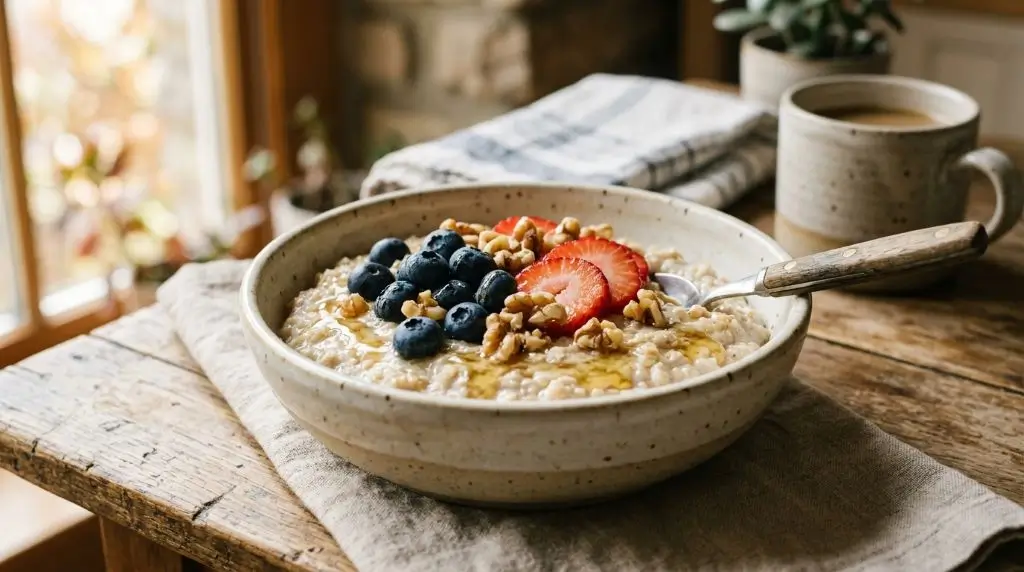
You can. Plenty of people do. The key is moderation and balance. If your breakfast is oats with a spoon of peanut butter and some berries, you are getting fiber, fat, and vitamins in one place. That is a solid meal. But if your oats come loaded with three tablespoons of brown sugar and no protein source, you might feel hungry by mid-morning.
The Cleveland Clinic also points out that oatmeal is a nutrient-dense food that can support heart health and help manage cholesterol levels when eaten regularly. Oats work well as a breakfast base because they are warm, filling, and quick. Simple combinations usually work best. They fit into a routine without demanding hours in the kitchen.
For anyone wondering about the best oats for breakfast, the answer depends on what you add to it. The oats are just the starting point.
How Much Oats Per Day Is Reasonable?
A good starting point is a half cup of dry oats per sitting. That gives you the fiber and protein we talked about without overloading your system. If you are new to high-fiber eating, you might even start with a third of a cup and work your way up. Jumping straight into a huge bowl can leave you bloated and uncomfortable.
Cooked, that half cup becomes a full cup. That is a decent-sized bowl. If you are very active or have a larger appetite, you might go up to three-quarters of a cup dry. But for most adults, one serving at breakfast is enough.
For people searching how much oats per day is healthy, this amount works well as a practical starting point. One balanced bowl is usually plenty.
Oats Fiber Benefits for Digestion and Fullness
Fiber is where oats quietly shine. It does not get the attention that protein gets, but it changes how you feel after a meal. Understanding oats nutrition benefits means looking at fiber closely.
Oats fiber helps in two main ways:
- Keeps you full longer
- Supports steadier digestion
Why Oats Fiber Keeps You Full
The soluble fiber in oats turns into that gel we mentioned earlier. It sits in your stomach and tells your brain that you have eaten enough. This is why a bowl of oatmeal can keep you satisfied longer than a pastry with the same calories. Your digestion slows down, and the energy releases bit by bit.
That slower pace also helps with breakfast satisfaction. You are not starving by 9:30 a.m. You can focus on work or school without your stomach growling at you. Protein plays a role here too. When you combine oats with something like Greek yogurt or eggs, the fullness lasts even longer, especially when protein and fiber work together in the same meal.
Are Oats Good for Gut Health?
Yes, oats support your gut, but they do not fix everything overnight. The fiber feeds the good bacteria living in your digestive system. Over time, that can lead to more regular bathroom visits and less bloating for some people.
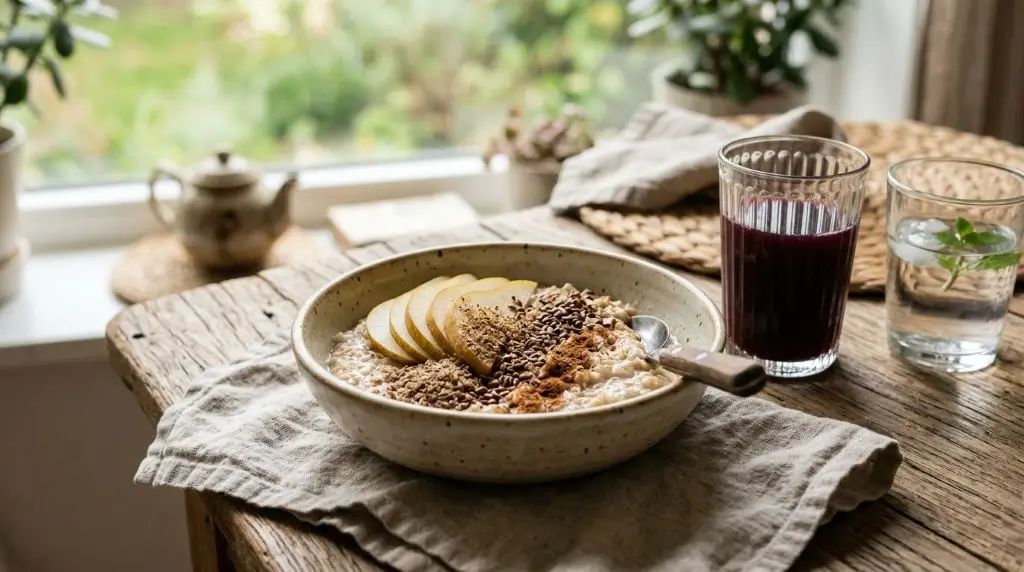
If you want to use oats for gut health, increase your intake slowly. Do not go from zero fiber to two bowls a day. Your gut needs time to adjust. Also, drink water. Fiber soaks up liquid. If you eat oats without enough water, you might feel backed up instead of relieved. A glass of water with breakfast usually helps.
The Mayo Clinic recommends increasing fiber gradually and drinking plenty of fluids to help your digestive system adapt.
Oats Protein: Is It Enough?
People talk a lot about oats protein, and it is worth understanding what you are actually getting. One of the quieter oats nutrition benefits is the protein content.
How Much Protein Is in Oats?
A standard serving of dry oats, about half a cup, contains roughly five grams of protein. That is helpful, especially for a grain. It contributes to your daily total. But five grams is not enough to carry a whole meal if you are trying to build muscle or stay full for hours.
Why Oats Alone Are Not a High-Protein Meal
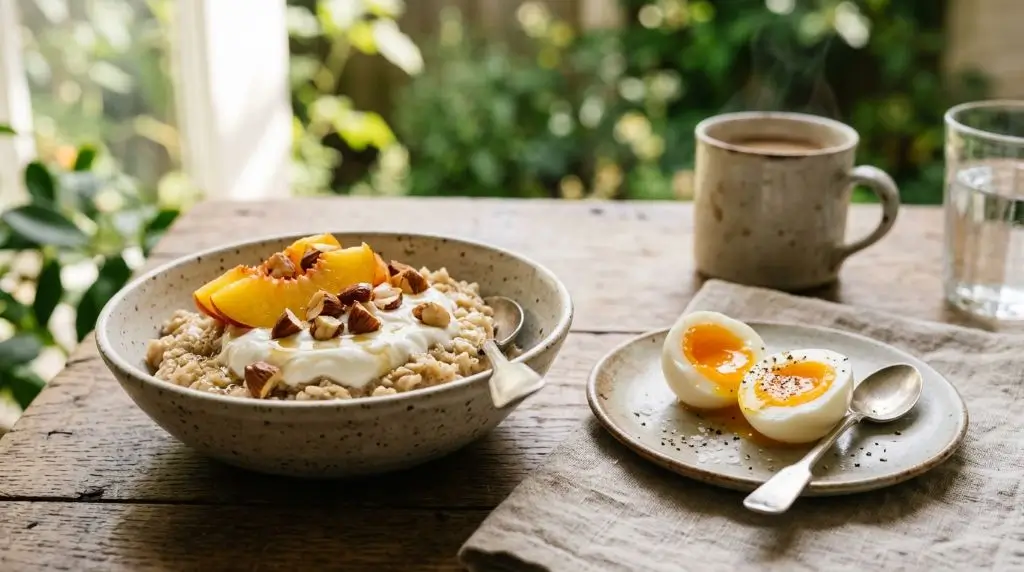
This is important. If you eat plain oatmeal and nothing else, you are missing a full protein profile. Oats contain protein, but they lack some of the amino acids your body needs in larger amounts. The fix is easy. Pair your oats with yogurt, nuts, seeds, eggs, or milk to build a more balanced high-protein breakfast.
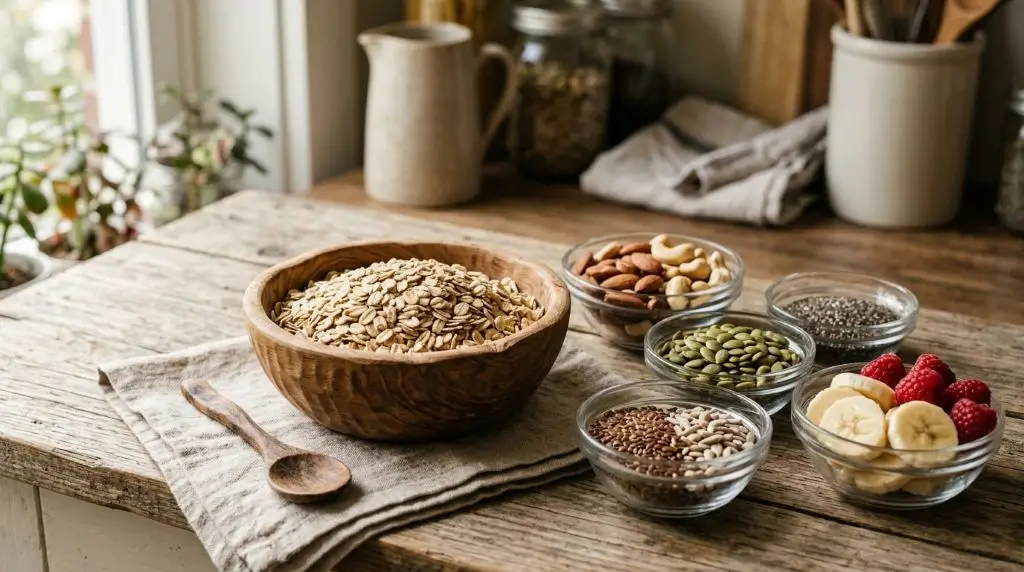
Try stirring in a spoonful of almond butter. Add chia seeds or hemp hearts. Cook your oats in milk instead of water. If you want something savory, top oatmeal with a fried egg and spinach. These small moves turn a grain-heavy meal into something more complete. You do not need protein powder or complicated recipes. Just add one or two real food sources and you are set.
Best Oats for Weight Loss: What Actually Matters?
Let us be honest. No single food causes weight loss. But oats can help if you use them right.
Do Oats Help with Weight Management?
Oats help with weight management because they keep you full. When you are not hungry, you snack less. When you snack less, you tend to eat fewer calories overall. It is that simple. Oats also create a routine. A filling breakfast often reduces random snacking later, and habits reduce the chaos of grabbing whatever looks good at 8 a.m.
But keep your expectations realistic. Oats are not magic. They will not undo a day of heavy eating. They work as one piece of a larger puzzle that includes sleep, movement, and overall food choices.
Which Type of Oats Works Best?
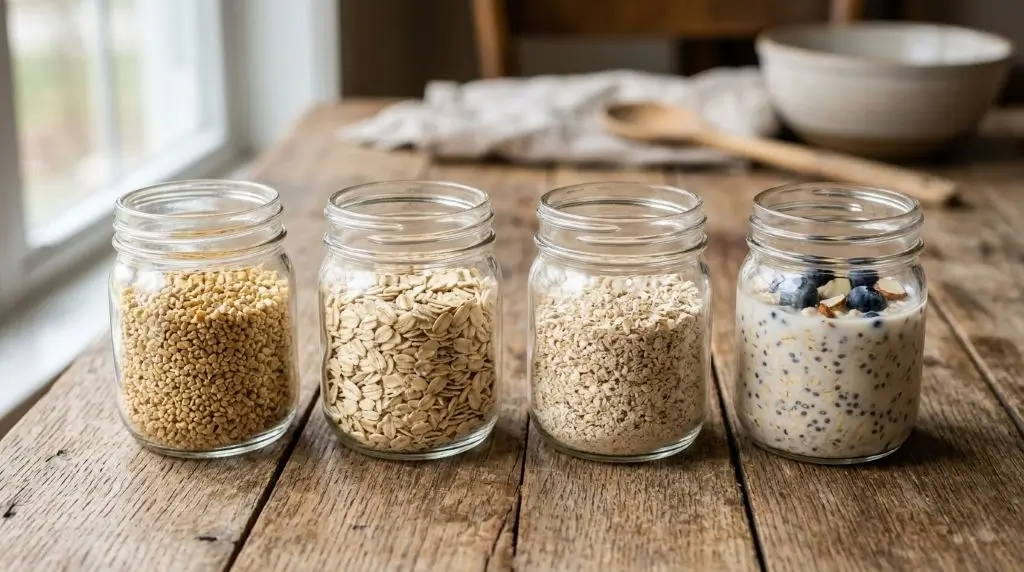
Rolled oats, steel-cut oats, and instant oats all come from the same plant. The main difference is how they are prepared. Steel-cut oats are the least processed. They take longer to cook and have a chewy texture. Rolled oats are steamed and flattened, so they cook faster. Instant oats are pre-cooked and dried, which makes them the quickest option.
For weight management, steel-cut and rolled oats often work better than flavored instant packets because you control what goes in. Many instant varieties come with added sugar. If you choose plain instant oats and add your own fruit, they are fine too. The type matters less than what you put on top. People often search for the best oats for weight loss, but the real answer is portion size and toppings.
Different Types of Oats Explained
If you have ever stood in the oat aisle feeling confused, you are not alone. According to the Harvard T.H. Chan School of Public Health, less processed oats take longer to digest, which means they have a lower glycemic index than rolled or instant oats. Here is a quick breakdown.
Rolled Oats
These are the flat, round flakes most people picture. They cook in five to ten minutes on the stove. The texture is soft but still has some chew. They work great for oatmeal, cookies, and granola.
Steel-Cut Oats
These look like little chopped-up grains. They take twenty to thirty minutes to cook. The texture is firm and nutty. They hold up well if you like a hearty breakfast that takes its time.
Instant Oats
These cook in one to two minutes, sometimes just with hot water. They are thin and soft. The downside is that some brands add sugar and salt. Read the label if you buy these.
Overnight Oats
This is not a different oat type. It is a method. You soak rolled oats in milk or yogurt overnight in the fridge. By morning, they are soft and ready to eat cold. It saves time and works well in warm weather if you prefer overnight oats over traditional oatmeal.
Best Ways to Eat Oats Daily
You do not have to eat the same bowl every morning. Oats are more flexible than people think.
Simple Healthy Oats Breakfast Ideas
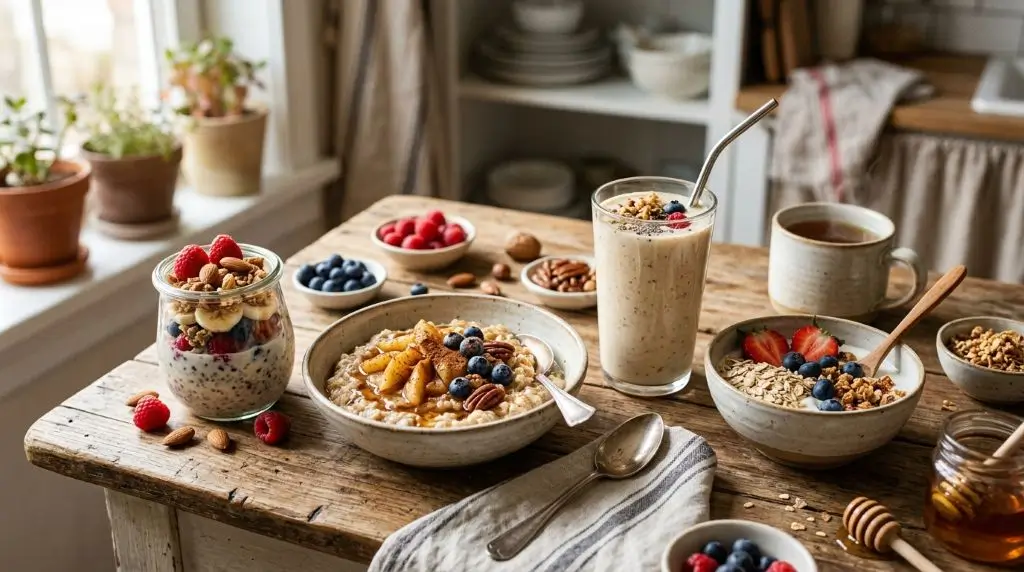
Here are a few ways to keep things interesting:
- Classic oatmeal: Cook rolled oats in milk, add sliced banana and cinnamon.
- Overnight oats: Mix oats with Greek yogurt and berries for a more filling breakfast that keeps you satisfied longer.
- Yogurt bowls: Sprinkle raw oats on top of Greek yogurt with nuts and honey.
- Smoothies: Blend a quarter cup of oats into your morning smoothie for thickness.
- Baked oats: Mix oats with egg, milk, and fruit, then bake like a small casserole.
The best oats for breakfast depend on your schedule and taste. These options show that a good oats breakfast is the one you will actually eat. If you hate hot oatmeal, try overnight oats. If you need something fast, blend them.
Dry Oats vs Cooked Oats
Let us clear this up once more. Dry oats nutrition does not change when you add water. The calories, fiber, and protein stay th]e same. The only thing that changes is the volume. A small scoop of dry oats becomes a big bowl of cooked oats. This is useful to remember when you are tracking food. Measure dry if you want accuracy. Eyeballing a cooked bowl can trick you into thinking you ate less than you did.
Common Mistakes People Make with Oats
Even a good food can go wrong if you are not paying attention. Here are the most common mistakes people make with oats:
- Adding too much sugar
- Eating oversized portions
- Skipping protein
- Buying flavored instant packets
- Not drinking enough water
Adding too much sugar is the biggest issue. A sprinkle of brown sugar is fine, but some people turn oatmeal into dessert. Maple syrup, chocolate chips, flavored creamers, and sweet toppings add up quickly.
Oversized portions are another problem. A serving is usually about half a cup of dry oats, not two cups. If you double the oats, you also double the calories and carbohydrates.
Skipping protein is common too. Plain oats with water and cinnamon may taste fine, but they often do not keep you full for long. Adding yogurt, eggs, nuts, seeds, or milk makes the meal more balanced.
It is also smart to check labels on flavored instant oats. Many packets contain added sugars and artificial flavors that change the nutrition profile completely.
Finally, do not forget hydration. Oats are high in fiber, and fiber needs fluid to work properly. If you increase your oat intake, increase your water intake too.
Final Verdict: Are Oats Worth Eating Regularly?
Oats are useful. They are not magical, but they are one of the most practical foods you can keep in your kitchen. They are cheap, they last forever in the pantry, and they work in sweet or savory dishes. The fiber helps you feel full. The protein adds a little extra to your morning.
The minerals support your body in background ways. The real oats nutrition benefits show up when oats become part of a balanced meal, not when they sit alone in a bowl. Consistency beats extremes.
You do not need to eat oats every single day to be healthy. But having them around as a reliable option makes sense for most people.
FAQs about Oats Nutrition Benefits
Q1: Are oats healthy for everyday breakfast?
Yes, for most people. Just keep portions reasonable and add protein or healthy fat so the meal stays balanced.
Q2: How much oats per day should you eat?
Start with a half cup of dry oats. That equals about one cup cooked. Adjust based on your hunger and activity level.
Q3: What are the oats nutrition benefits?
Oats offer fiber for digestion and fullness, complex carbs for steady energy, protein for muscle support, and minerals like magnesium and iron.
Q4: Are oats good for gut health?
They can be. Using oats for gut health works well when you are patient and consistent. The fiber feeds good bacteria and helps keep digestion regular. Increase slowly and drink plenty of water.
Q5: Do oats contain protein?
Yes, about five grams per half cup of dry oats. It is not enough alone, so pair oats with eggs, yogurt, nuts, or seeds.
Q6: Which oats are good for weight loss?
Plain steel-cut, rolled, or instant oats all work. Avoid flavored packets with added sugar. Focus on portion size and toppings.
Q7: Is dry oats nutrition different from cooked oats?
No. The nutrients stay the same. Only the volume changes because of the water added during cooking.
Food & Nutrition Writer at PureHealthBites

Nadeem Sharif is the voice behind PureHealthBites, a blog focused on simple nutrition and everyday food choices. With hands-on experience experimenting with ingredients and meals, he shares practical, gut-friendly ideas to help readers eat well, feel better, and build healthier habits for real life.
Connect With Nadeem