

By Nadeem Sharif | Reviewed August 26, 2026 |
Medical Disclaimer:This article is for informational purposes only and does not replace professional medical advice. See our full disclaimer.
Introduction
When you stand in front of the dairy shelf at the grocery store, the choice looks simple at first: whole milk or low-fat milk. But when comparing low fat milk vs whole milk, what actually changes, and which option makes more sense for your diet?
Whole milk contains more milk fat. Low-fat milk contains less fat and usually fewer calories. Protein and several important nutrients stay about the same. The better choice depends on your overall diet and what you actually enjoy drinking.
This article breaks down the real differences between low-fat milk and whole milk. We will look at nutrition, calories, taste, and practical situations where one might fit better than the other. By the end, you will have a clear picture of what changes when you switch from whole milk to low-fat milk.
Table of Contents
Low Fat Milk vs Whole Milk: What’s the Difference?
Before comparing nutrition, it helps to understand what these labels actually mean.
What Is Whole Milk?
Whole milk is cow’s milk that retains its natural level of milk fat, typically around 3.25% by weight. That fat gives it a richer taste and a creamier texture. It also adds more calories per serving compared to lower-fat options.
Whole milk generally has a richer taste and creamier texture than lower-fat varieties. The higher fat content also contributes more calories per serving.
What Is Low-Fat Milk?
Low-fat milk has had some of its milk fat removed. Common lower-fat varieties include 1% and 2% milk. These percentages refer to the approximate milk-fat content by weight, not the number of grams of fat in a cup.
Because some fat is removed, low-fat milk generally contains fewer calories than whole milk. The amounts of protein, calcium, and several other nutrients remain relatively similar, although exact values can vary by product.
For example, 2% milk sits between whole milk and 1% milk in terms of fat content. It contains less fat than whole milk while generally having a slightly richer texture than 1% milk.
Where Do Skimmed and Nonfat Milk Fit In?
Skimmed milk, skim milk, and nonfat milk all mean roughly the same thing. These terms describe milk with very little fat, usually less than 0.5%.
Most of the milk fat is removed, leaving a much lighter liquid. Some people love it. Others find it too thin. Either way, skimmed milk vs whole milk comes down to fat content and personal taste. Nonfat milk vs whole milk follows the same logic. The names differ, but the nutrition story is nearly identical.

Low Fat Milk vs Whole Milk Nutrition Comparison
This is where the real conversation happens. Let us look at what actually changes in the nutrition facts.
Here is a comparison table based on standard 8-ounce servings:
| Nutrient | Whole Milk | Low-Fat Milk (1%) |
| Calories | About 150 | About 100 |
| Total Fat | About 8 grams | About 2 grams |
| Protein | About 8 grams | About 8 grams |
| Carbohydrates | About 12 grams | About 12 grams |
| Calcium | About 300 mg | About 300 mg |
| Potassium | About 370 mg | About 390 mg |
| Vitamin D* | About 2.4 mcg | About 2.6 mcg |
*Values can vary by product and fortification. Some brands add more vitamin D than others.
Note: Low-fat milk can include different fat levels. This comparison uses 1% milk as an example. 2% milk contains more fat and calories than 1% milk, so the nutrition values can vary depending on the low-fat milk you choose.
As you can see, the biggest differences are in calories and fat. Protein, carbohydrates, calcium, and potassium remain relatively similar. This is important because many people assume that low fat milk vs whole milk nutrition is completely different. In reality, both types provide many of the same core nutrients. The most noticeable changes are usually the amount of fat and calories per serving.
According to the USDA FoodData Central, whole milk contains about 150 calories and 8 grams of fat per cup, while 1% milk contains about 100 calories and 2 grams of fat. Protein remains similar at around 8 grams per serving for both types.
The table gives you the big picture: choosing low-fat milk mainly changes the amount of fat and calories you get, while many of the other nutrients remain broadly similar.
For a closer look at what a typical glass of milk provides, including calories, protein, calcium, and other nutrients, see our complete guide to Milk Nutrition Facts.
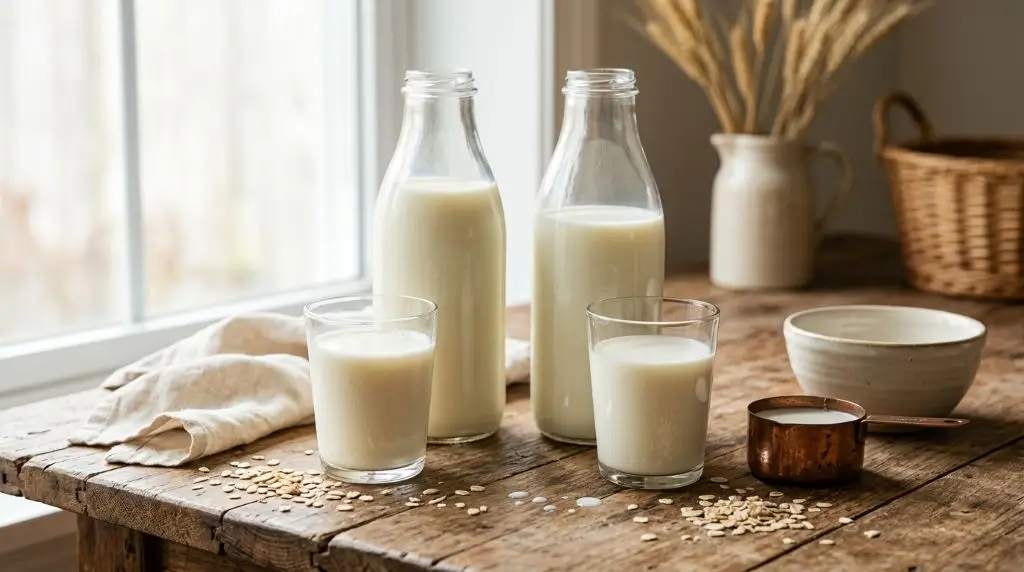
Whole Milk vs Low Fat Milk Calories
Whole milk generally contains more calories because fat carries more energy per gram than protein or carbs. One gram of fat has nine calories. One gram of protein or carbs has four.
So when you remove fat from milk, you remove the most calorie-dense part. That is why a cup of whole milk has about 150 calories, while a cup of 1% milk has about 100.
But here is the thing. Lower calories do not automatically mean healthier. If you enjoy whole milk and it fits into your overall eating pattern, whether that difference matters depends on your overall diet and how much milk you typically consume. If you drink several glasses a day, the difference adds up faster.
Think about your morning routine. If you pour a splash of milk into your coffee, the calorie gap is tiny. If you drink two full glasses with dinner, the gap grows. Context matters.
Key takeaway: The main calorie difference between whole and low-fat milk comes from their fat content.
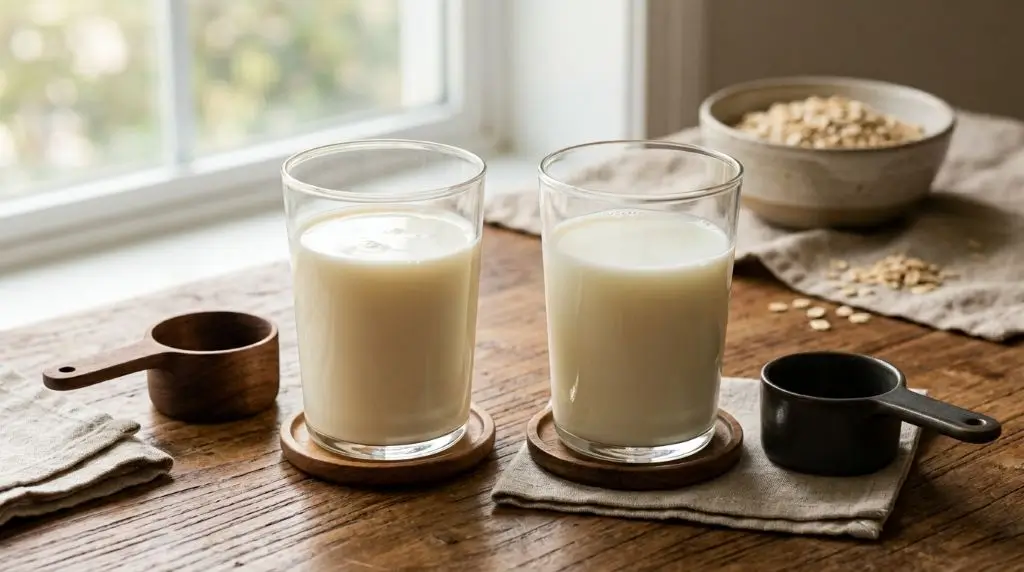
Whole Milk vs Low Fat Milk Fat
This is the core of the whole milk vs low fat milk fat comparison. Whole milk typically contains about 3.25% milk fat. Lower-fat options include 1% and 2% milk, while skimmed or nonfat milk contains very little fat.
The amount of fat affects more than just calories. It also changes the taste and texture of milk. Whole milk generally has a richer, creamier texture, while low-fat milk has a lighter mouthfeel. These differences can also affect how milk works in coffee, cereal, and some recipes.
The main nutritional difference is straightforward: whole milk contains more total fat and more calories per serving than low-fat milk. That does not automatically make low-fat milk the better choice for everyone, because the overall diet matters more than one food in isolation.
Less fat does not automatically mean healthier. It simply means fewer grams of fat and usually fewer calories per serving. Whole milk and low-fat milk can both fit into different eating patterns. The better choice depends on your overall diet, personal preferences, and the amount of fat and calories you want from milk.
If you are comparing whole milk vs low fat milk, the key takeaway is simple: the biggest change is the amount of fat, followed by the difference in calories. Many of the other core nutrients, including protein and calcium, remain relatively similar.
Does Low-Fat Milk Have Less Protein Than Whole Milk?
No. This is one of the most common misunderstandings about milk.
Protein amounts are generally similar across common milk types. A cup of whole milk has about 8 grams of protein. A cup of 1% or 2% milk also has about 8 grams. Removing fat does not remove the milk’s protein.
Exact amounts can vary slightly by product and processing, but reducing milk fat does not significantly reduce its protein content.
So if you are choosing milk for protein, either option can work well. If you are trying to build a more balanced morning meal, see our guide on How to Build a High-Protein Breakfast. The low fat milk vs whole milk protein story is basically a tie.

What About Calcium and Vitamins?
Calcium is generally similar across common milk types. A cup of whole milk and a cup of low-fat milk both deliver around 300 milligrams. Potassium and phosphorus also stay fairly consistent.
Vitamin D levels can depend on fortification. Most milk in the United States gets fortified with vitamin D, no matter the fat level. But some brands add more than others. That means one carton of 1% milk might have slightly more vitamin D than another carton of whole milk from a different brand.
Some differences between products and brands are possible. Make sure to check the label if a specific nutrient matters to you.
The main difference is the amount of fat, which shows up in total calorie differences.
Does Low-Fat Milk Taste Different From Whole Milk?
Yes. The main difference is in taste and texture, largely because of the amount of milk fat.
Whole Milk
Both whole and low-fat milk can also be used with foods like oatmeal. For more on the nutritional value of oats, see our guide to Oats Nutrition Benefits. Its higher fat content gives it a fuller mouthfeel and makes it feel thicker than lower-fat varieties.
Low-Fat Milk
Low-fat milk has a lighter texture and less creaminess than whole milk. The exact difference can depend on whether you choose 1% or 2% milk, with 2% generally having a slightly richer texture than 1%.
Skimmed Milk
Skimmed or nonfat milk has the least amount of fat and the lightest texture. Compared with whole milk, it may feel thinner and less creamy.
Taste preferences vary from person to person. Some people prefer the richer texture of whole milk, while others prefer the lighter taste of low-fat or skimmed milk.
Is Low Fat Milk Better Than Whole Milk?
Not automatically. Low-fat milk is lower in fat and calories, while whole milk has a richer texture and more fat per serving. The better choice depends on your overall diet, preferences, and nutritional needs.
Low-fat milk may make sense if:
- You prefer fewer calories from milk
- You want a lower-fat option
- You enjoy the taste and can use it consistently
Whole milk may make sense if:
- You prefer a richer taste and texture
- You enjoy whole milk as part of your overall diet
- The additional calories and fat fit your eating pattern
Think about it this way. The practical impact of the calorie difference depends partly on how much milk you typically drink. If you drink milk with every meal, the difference grows. The question is not which one is better. The question is which one fits your life better.
A registered dietitian at University Hospitals notes that the primary differences are fat content and caloric density, which can also result in taste differences.
Protein and carbohydrate content stay the same across milk types.

Is Skimmed Milk Better Than Whole Milk?
Skimmed milk contains very little fat. It is usually lower in calories. Whole milk contains more fat and has a richer texture. Neither is automatically better for everyone.
Some people choose skimmed milk because they want the nutrients without the fat. Others find it too thin and end up drinking less milk overall. If you dislike skimmed milk, choosing it simply because it sounds healthier may not be practical. Calcium and protein can also come from other foods.
So skimmed milk vs whole milk is not a contest with a clear winner. It is a choice based on what you need and what you will actually drink.
Who May Prefer Whole Milk?
Some people simply prefer the richer taste and texture of whole milk. That preference matters. If you enjoy what you are drinking, you are more likely to keep drinking it.
Whole milk also provides more calories per serving. For some people, especially those who need more energy in their diet, that can be useful. It is not about forcing whole milk on anyone. It is about recognizing that some people’s overall diet comfortably accommodates the higher fat content.
If you grew up on whole milk and still love it, there may be no strong reason to switch. For some people, the richer taste and texture simply make whole milk more enjoyable as part of their regular eating pattern.
Who May Prefer Low Fat or Skimmed Milk?
Some people prefer fewer calories from their milk. Others are specifically looking for a lower-fat milk option. And some simply like the lighter taste and texture.
Low-fat and skimmed milk still deliver protein, calcium, and vitamin D. They can also be paired with other simple foods as part of a balanced snack. For more practical ideas, see our guide to Healthy Snack Alternatives to Junk Food. The main difference is the fat and calorie content. For people who drink a lot of milk or who want to reduce fat intake from dairy, these options may fit their preferences and overall eating pattern.
Maybe you drink three glasses a day. Maybe you use milk in multiple recipes. In those cases, switching to 1% or skimmed milk could reduce your overall fat and calorie intake without cutting out the nutrients.
Again, it is not about declaring one option healthier for everyone. It is about matching the milk to the person.
Which Milk Is Healthiest?
There is no single healthiest type of milk for everyone. Different people have different needs, tastes, and eating patterns.
Here is a simple way to think about it:
| If Your Priority Is | You May Prefer |
| Lower calories | Low-fat or skimmed milk |
| Lower fat | Low-fat or skimmed milk |
| Creamier taste | Whole milk |
| Similar protein | Most common milk types |
| Calcium and minerals | Most common milk types |
The healthiest choice is often the one that fits your overall eating pattern, preferences, and nutritional needs.
Whole milk provides more fat and calories per serving and has a richer, creamier texture. Low-fat and skimmed milk provide similar amounts of protein and several important nutrients while containing less fat and fewer calories.
The best choice can also depend on the specific product, so checking the Nutrition Facts label can help you compare calories, fat, protein, calcium, and other nutrients.
How to Choose Between Whole Milk and Low-Fat Milk
Here are five simple questions to ask yourself:
- Do I prefer a creamy or lighter taste?
- Does the calorie difference matter in my overall diet?
- Am I specifically trying to reduce dietary fat?
- Am I choosing milk mainly for protein and calcium?
- Which option am I most likely to enjoy consistently?
You do not necessarily need to switch to a different type of milk simply because one label sounds healthier. Look at the nutrition facts, consider your overall diet, and choose the option that fits you well. If you love whole milk and your diet already balances fat well, keep drinking it. If you want fewer calories and enjoy low-fat milk, that works too. The key is consistency and honesty about what you will actually drink.
FAQs About Low Fat Milk vs Whole Milk
Q1: Is low fat milk healthier than whole milk?
Not automatically. Low-fat milk has less fat and fewer calories. Whole milk has more fat and a richer taste. The healthier choice depends on your overall diet and what you need.
Q2: Is low fat milk better than whole milk?
Better for whom? If you want fewer calories, maybe. If you want richer taste, maybe not. The answer changes based on your goals.
Q3: Is skimmed milk better than whole milk?
Skimmed milk has very little fat and fewer calories. Whole milk has more fat and a creamier texture. Neither is automatically better for everyone.
Q4: Does low-fat milk have the same protein as whole milk?
Yes, roughly. Both provide about 8 grams of protein per cup. The exact amount can vary slightly by brand, but fat removal does not strip away protein.
Q5: Which has more calcium: whole milk or low-fat milk?
They are about the same. Most milk types deliver around 300 milligrams of calcium per cup. Fortification and brand differences can cause small variations.
Q6: Is whole milk healthy?
Whole milk provides protein, calcium, potassium, and other nutrients. Whether it fits into a healthy diet depends on your overall eating pattern and how much you drink.
Q7: What is the difference between 1%, 2%, and whole milk?
The numbers refer to milk fat percentage. Whole milk is about 3.25%. Two percent milk has about 2% fat. One percent milk has about 1% fat. Protein and calcium stay similar across all three.
Q8: Which milk should I pick for everyday drinking?
The best option for everyday use depends on your preferences, overall diet, and the amount of fat and calories you want from milk.
Final Thoughts: Low Fat Milk vs Whole Milk
Low-fat milk and whole milk have more in common than many people realize. Both can provide protein, calcium, potassium, and other nutrients. The biggest nutritional difference is usually the amount of fat and calories.
Low-fat milk may suit people looking for less fat and fewer calories. Whole milk may appeal to those who prefer its richer taste and texture. Neither option automatically wins. The better choice is the one that fits your overall diet and preferences.
So next time you stand in front of the dairy shelf, do not stress too much about the label. Choose the milk that fits your preferences and overall eating pattern, and use the nutrition label when specific calorie or nutrient differences matter to you.
Food & Nutrition Writer at PureHealthBites

Nadeem Sharif is the voice behind PureHealthBites, a blog focused on simple nutrition and everyday food choices. With hands-on experience experimenting with ingredients and meals, he shares practical, gut-friendly ideas to help readers eat well, feel better, and build healthier habits for real life.
Connect With Nadeem