Introduction
Walk into any supermarket and protein is shouting at you. Bars in bright wrappers. Powder in giant tubs. It is easy to think protein belongs to the gym crowd. That is where the shaker bottles live. But here is the thing your body already knows: you need to understand what protein does for your body long before you touch a barbell.
So let us answer it right away. Protein helps build and maintain your tissues, helps maintain muscle and supports normal muscle function, supports your immune system, and helps your body run its daily jobs. It is not a gym-only nutrient. It is an everyday one. You use it right now, while you sit and read, because your body is constantly repairing and rebuilding itself.
This article is not about eating more protein. It is about understanding protein. Once you understand it, the choices get much easier.
Table of Contents
What Is Protein, Exactly?
Protein basics first. Protein is one of the three macronutrients, along with carbohydrates and fat. Your body needs all three in reasonable amounts. This is the part that often gets lost in gym talk. Protein explained simply is this: your body needs it every day, not just on workout days.
Protein Is More Than a Muscle-Building Nutrient
Yes, protein helps build muscle. But that is one job among many. Your skin, hair, nails, and organs all rely on protein. So do the enzymes that digest your food and the hormones that carry messages through your body. Calling it a muscle nutrient is like calling a toolkit a hammer storage box. There is much more inside.
What Are Amino Acids?
Think of protein as building material. Your body digests dietary protein into amino acids, which it can then use to build and maintain its own proteins and other compounds. Some becomes new tissue. Some becomes enzymes, the tiny workers that help your digestion run. Some becomes hormones, the chemical messengers that carry instructions around your body.
There are about 20 amino acids that matter for building protein. Some are essential amino acids, meaning your body cannot make them and they must come from food. Others are nonessential amino acids, which your body can produce on its own. When people talk about dietary protein, they really mean the package of amino acids a food delivers.
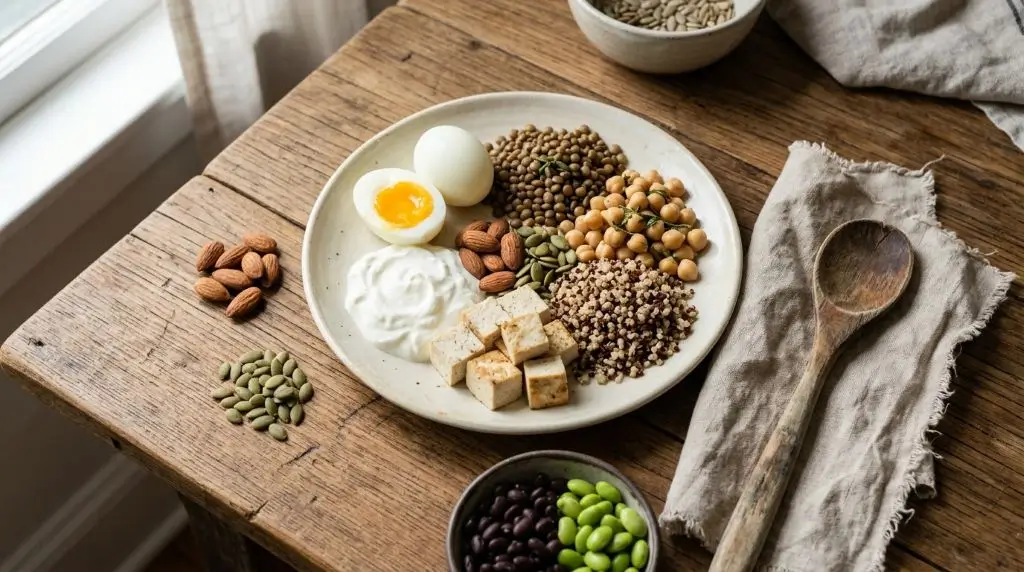
A complete protein contains all the essential amino acids your body needs, in useful amounts. Many animal foods provide all nine essential amino acids in amounts that support protein needs. Plant foods vary in their amino-acid profiles, although foods such as soy provide all nine essential amino acids. We will come back to that later.
What Does Protein Do for Your Body?
This is the heart of the question, so let us take it slowly. Protein does several jobs at once, every single day.
Helps Build and Maintain Body Tissues
Protein is an important structural component of tissues throughout the body, including muscle, skin and other tissues. Your body is not a finished building. It is more like a house that is constantly being repainted and repaired. Cells wear out. Small injuries heal. Protein and tissue repair go hand in hand because protein supplies the raw material for all of this upkeep.
This is why protein for everyday health is not a fitness idea. It is a maintenance idea.
Helps Maintain Muscle
Yes, protein and muscle belong together. But the picture is bigger than a gym mirror. You use your muscles to carry groceries, climb stairs, and get up from a chair. Keeping them maintained matters at every age, for everybody.
When you eat protein at meals, you give your muscles the material to maintain themselves. Over time, this supports normal strength and function. Not bulk. Not definition. Just a body that works the way you expect it to.
Helps Make Enzymes and Hormones
Every time you digest food, your body uses enzymes, and enzymes are made of protein. Many hormones, which act as chemical messengers, also depend on protein. This includes hormones involved in hunger, growth, and how your body uses energy.
The simple version is this: protein helps your body produce the tools it uses to run itself. That is part of what protein does for your body beyond muscles.
Supports Normal Immune Function
Your immune system relies on proteins too. Antibodies, which help your body recognize and respond to threats, are proteins. This is why adequate protein intake supports normal immune function. It does not supercharge anything. It simply gives your body the material to do its regular defensive work.
Can Provide Energy When Needed
Protein can be used for energy, but that is not its main job. Under normal conditions, your body prefers carbohydrates and fat for fuel. When those run low, protein can step in. Think of it as a backup power source rather than the primary one.
This matters because protein is not just calories with a different name. Its real value is structural. Energy is a secondary role, not protein’s main nutritional purpose.

Why Do We Need Protein Every Day?
Here is a detail most people never hear: your body does not store protein the way it stores fat. Your body is constantly breaking down and rebuilding proteins. Because protein is continuously being used for tissue maintenance and other functions, getting enough protein regularly helps provide the amino acids your body needs.
One low-protein meal or day isn’t something most healthy people need to worry about. Overall dietary intake matters much more than any single meal.
This process is called protein turnover. Your body is always breaking down old protein and building new protein. Because of this constant turnover, why do we need protein has a simple answer: your supply of amino acids needs regular refilling.
The good news is that refilling is easy. Regular meals with sensible protein sources do the job. You do not need to count every gram. The goal is not to maximize. The goal is to cover normal needs, the same way you cover your need for water or sleep.
How Much Protein Do You Need Daily?
Now for the practical question: how much protein do I need daily? Let us start with the general reference.
General Protein Needs for Adults
For healthy adults, the U.S. Dietary Reference Intake reference value is 0.8 grams of protein per kilogram of body weight per day. This is a general reference value for adults, not a target that every person must follow exactly. You can read the full overview of protein in human nutrition from the National Academies.
For example, a person weighing 70 kilograms, or about 154 pounds, would need roughly 56 grams of protein per day based on this reference value. That does not mean you need exactly the same amount of protein at every meal. Protein intake can vary from meal to meal depending on the foods you eat and your overall diet.
Your individual needs may be different. Factors such as age, body size, activity level, life stage, and health circumstances can affect how much protein you need. For most people, the more useful approach is to look at protein intake across your overall diet rather than trying to hit an exact number at every meal.
What Can Change Your Protein Needs?
The 0.8 gram figure is a general reference value, not a personal prescription. Several factors can shift your needs:
- Age. Older adults may benefit from somewhat more protein to help maintain muscle.
- Body size. Larger bodies generally need more total protein.
- Activity level. People who train hard or do physical work use more protein for repair.
- Life stage. Pregnancy and breastfeeding raise protein needs.
- Health circumstances. Recovery from illness or surgery can increase requirements.
If your situation is unusual, a registered dietitian or your doctor can help you find a number that fits.
Do Non-Athletes Need Less Protein?
Not exactly. Being a non-athlete does not make protein optional. Protein needs for non-athletes may be lower than those of a competitive athlete, but they are not zero. Your body still rebuilds tissue, still makes enzymes, still maintains muscle.
If you eat a varied diet with protein at meals, you are likely covering your daily protein needs without thinking about it.

What Happens If You Don’t Get Enough Protein?
This question deserves a careful answer, because the internet loves drama.
Occasional low-protein meals are not a problem. Your body handles a light day just fine, especially if your overall diet is varied. The concern is consistent inadequate intake over weeks and months.
When protein intake stays too low, the body has to make choices. It will prioritize the jobs that keep you alive, sometimes at the expense of muscle maintenance. Over time, consistently inadequate protein intake can affect the body’s ability to maintain muscle and other tissues.
More severe or prolonged deficiency can have broader effects on health and normal body function. These effects are not specific enough to diagnose inadequate protein intake on their own.
Notice what this list is not. It is not a checklist that proves you are deficient. Signs of low protein intake overlap with many other things, including simply being overtired. So do not self-diagnose. If you have concerns, talk with a qualified healthcare professional.

Protein and Aging: Do Protein Needs Change After 40?
Protein needs do not suddenly change when you turn 40. Aging is gradual, and protein needs depend on factors such as body size, activity, health status and life stage. This is normal, and it is why protein and aging get discussed together.
As we age, the body’s response to dietary protein can change, and maintaining muscle may require more attention to adequate protein intake and regular physical activity. Research and expert recommendations for older adults place greater emphasis on adequate protein intake for maintaining muscle and function, as discussed by the PROT-AGE Study Group.
In plain terms, your muscles may need a bit more input to get the same maintenance result. Adequate protein, paired with regular movement, helps support normal muscle function as the years pass.
Maintaining muscle is not about looks at this stage. It is about independence. Getting out of chairs, carrying shopping, and staying steady on your feet all depend on muscle you have kept over the decades.
Does Everyone Over 40 Need More Protein?
No hard rule flips on at 40. Age is one factor among many. Some people in their 50s hold more muscle than some people in their 30s. What is fair to say is that protein needs after 40 deserve more attention, not panic. If your meals have drifted toward toast and fruit with little protein, this is a good season to rebalance.
Plant-Based Protein for Beginners
If you eat mostly plants, or want to, protein is one of the first questions that comes up. Good news: plants cover it well.
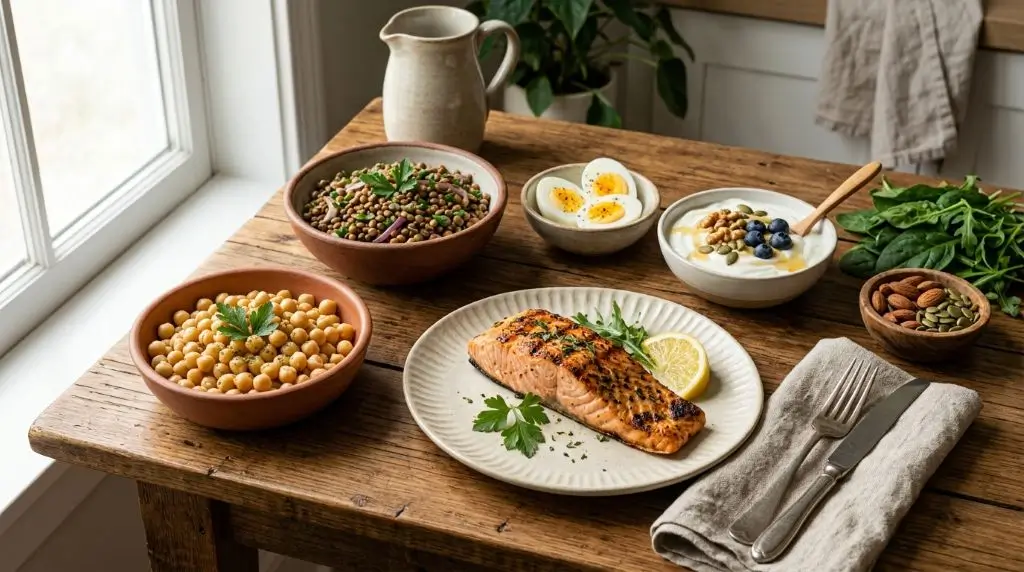
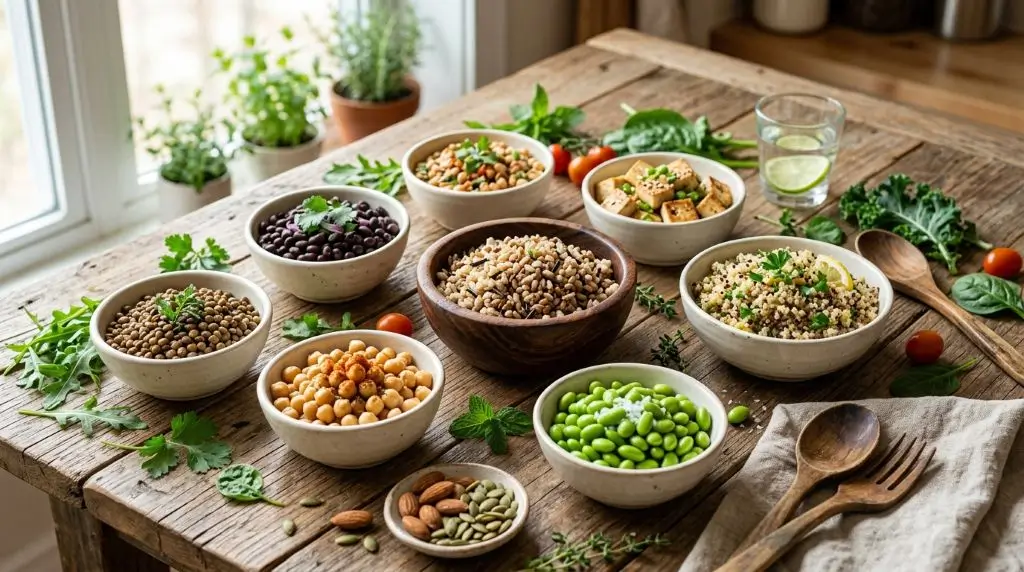
Everyday plant protein sources include beans, lentils, chickpeas, tofu and other soy foods, nuts, seeds, and whole grains.
Do Plant Proteins Provide All the Amino Acids?
Plant foods vary in their essential amino-acid profiles. Some provide all nine essential amino acids, while others are relatively lower in one or more. Soy is one example of a plant protein that provides all nine essential amino acids.
But incomplete does not mean inadequate. It simply describes the amino-acid pattern of a particular food. Eating a varied diet can provide the different essential amino acids your body needs.
Do You Need to Combine Plant Proteins at Every Meal?
No. You do not need to combine complementary plant proteins at the same meal. Your body can use amino acids from different foods eaten throughout the day.
The practical takeaway is simple: instead of worrying about pairing specific plant proteins at every meal, focus on eating a varied diet that includes different protein sources. Research shows that plant protein combinations can provide a complete and well-balanced source of amino acids, so there is no need to overthink how you pair foods at every meal.
Animal vs Plant Protein: What’s the Difference?
Let us compare them side by side:
| Animal Protein | Plant Protein |
| Eggs | Lentils |
| Yogurt | Beans |
| Fish | Chickpeas |
| Chicken | Soy foods |
| Milk | Nuts and seeds |
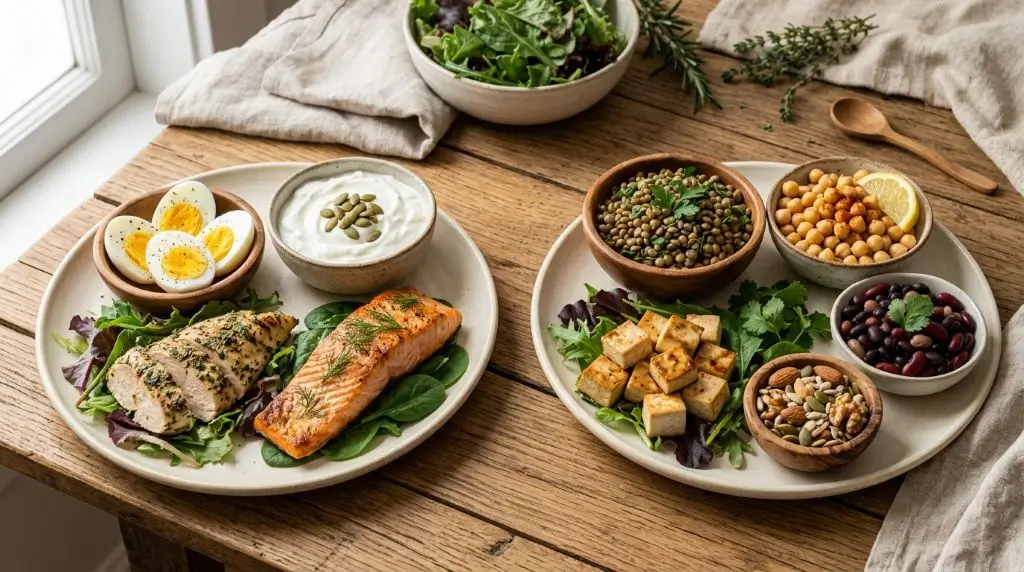
Animal proteins generally provide all nine essential amino acids in relatively high proportions. Plant proteins vary in their amino-acid profiles, and many also provide fiber and other plant nutrients. Both can contribute to a balanced diet, and many people feel good eating a mix.
The bigger picture matters more than the category. A breaded fried item is a different choice than grilled fish, even if both count as animal protein. Quality, preparation, and the rest of your plate all play a role.
Can Protein Help With Weight Management?
Protein can play a helpful role here, but let us keep the claims honest. Protein for weight management works in a few quiet ways.
- First, protein is satiating. Meals with a reasonable protein portion tend to keep you full longer than meals built only around refined starch. You can also see why protein and fiber keep you full for a closer look at how these two nutrients work together in everyday meals.
- Second, adequate protein intake, combined with appropriate physical activity, can help support muscle retention during weight loss.
- Third, protein at meals makes the whole plate more satisfying, which makes a sensible eating pattern easier to stick with.
What protein does not do is burn fat or melt weight away. There is no automatic link between eating more protein and losing weight. Total eating patterns, movement, sleep, and consistency do the heavy lifting. Protein is one useful tool in the kit, not the kit itself.
Do You Need Protein Powder?
Not necessarily. Most of your protein from whole foods is entirely possible, and for most people it is the simplest path.
Protein powder is primarily a convenience product. Some people find protein supplements genuinely useful: athletes with high needs, older adults with small appetites, or anyone struggling to eat enough during a busy stretch.
But supplements are not automatically better than food. Whole foods can provide protein along with other nutrients such as vitamins, minerals and, in many cases, fiber. Protein powder is primarily a convenient way to add protein. If your diet already provides enough protein, adding a protein powder may simply add calories and cost without providing a clear nutritional need.
If you have kidney disease or another medical condition that affects your diet, speak with your healthcare professional before using protein supplements regularly.
Common Protein Myths Debunked
Protein collects myths the way a sweater collects lint. Let us clear a few off.
Myth 1: Protein Is Mainly for People Who Work Out
Muscles are only one of protein’s jobs. Everyone, from toddlers to grandparents, needs dietary protein for normal growth and repair.
Myth 2: More Protein Is Always Better
More protein is not automatically more beneficial. Once your needs are met, extra protein does not keep producing extra benefits.
Myth 3: You Need Protein Powder to Get Enough Protein
Most people cover their daily protein needs with regular food. Powder is optional, a tool for specific situations.
Myth 4: Plant Protein Doesn’t Count
It counts. Lentils, beans, soy, nuts, and seeds all supply amino acids. Variety across the day handles the rest.
Myth 5: You Need Meat at Every Meal
You do not. Eggs, dairy, fish, legumes, soy, and grains all contribute protein across a day. Plenty of healthy patterns include meatless meals.
Myth 6: High-Protein Automatically Means Healthy
This one deserves a pause. A food being high in protein does not make the whole food a good choice. A sugary protein bar is still a sugary bar. Read the whole label, not just the protein number.
Simple Ways to Get Enough Protein From Everyday Foods
Understanding is the goal, but eating is the point. Here is how this looks across a normal day.
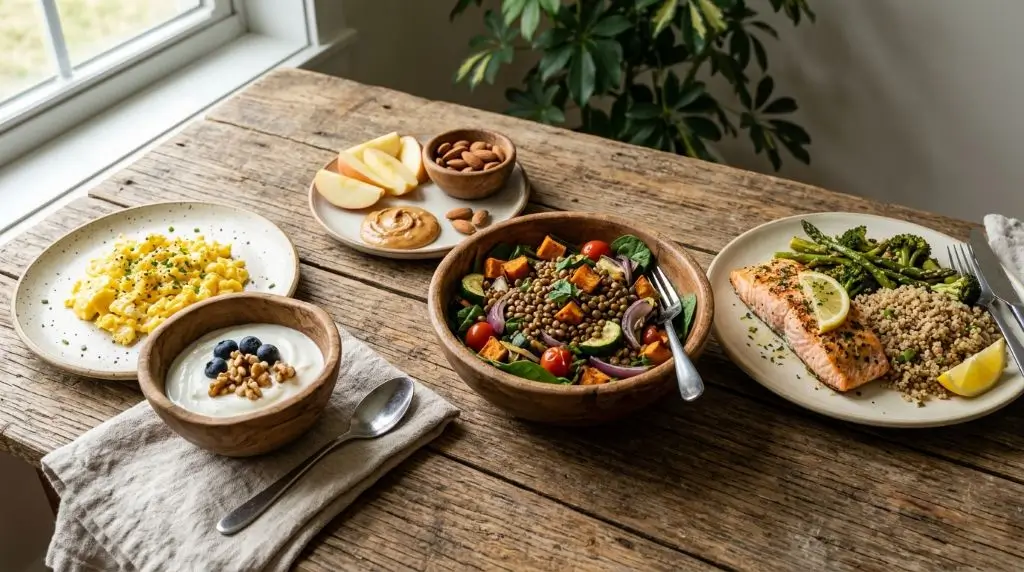
- Breakfast. Eggs are an easy anchor, about 6 grams each. Greek yogurt gives you roughly 15 to 20 grams per cup, which is why it earns its reputation. If you’re building a higher-protein breakfast. See our guide on how to build a high-protein breakfast. If you prefer oatmeal, stir in nuts or seeds.
- Lunch. Lentils and beans make a filling base for soups and salads, with about 12 to 18 grams of protein per cooked cup. Chicken or fish work when you want them. Protein amounts can vary by food, serving size, preparation, and brand; you can check USDA FoodData Central for detailed nutrient information on individual foods.
- Snacks. Nuts are portable and satisfying. Check our almonds nutrition facts, or compare walnuts vs almonds to mix things up. Peanut butter on apple slices covers snack and protein in one move. If you’re looking for more practical snack ideas, see our guide to healthy snack alternatives to junk food.
- Dinner. Fish, chicken, tofu, beans, or lentils can anchor the plate. Add vegetables and a whole grain and you have a balanced meal. Small swaps help too: our flaxseed vs chia seeds comparison makes it easy to pick a seed topper.
None of this requires counting. It just requires a little attention to protein at meals.
Frequently Asked Questions About Protein
Q1: What does protein do for your body?
Protein builds and maintains tissues, supports muscle upkeep, helps make enzymes and hormones, supports normal immune function, and can provide energy when needed. It is an everyday nutrient, not just a fitness one.
Q2: How much protein do I need daily if I don’t exercise?
Individual needs can vary based on age, body size, activity and life stage. Not exercising does not remove the need.
Q3: What happens if you don’t eat enough protein?
Occasional light days are fine. Consistently inadequate intake over time can affect the body’s ability to maintain muscle and other tissues and can have broader effects when deficiency becomes severe. Specific concerns belong with a healthcare professional.
Q4: Can you get enough protein from plant foods?
Yes. Beans, lentils, chickpeas, soy foods, nuts, seeds, and whole grains all contribute. Variety across the day covers your amino acid needs.
Q5: Do I need protein powder if I don’t work out?
Usually not. Whole foods can meet daily protein needs for most people. Powder is a convenience tool for specific situations, not a requirement.
Q6: Is more protein always better?
No. More protein is not automatically better. Once your needs are met, additional protein does not keep providing additional benefits, and overall diet quality still matters.
Q7: Do protein needs increase after 40?
Protein needs do not automatically increase at 40. However, maintaining adequate protein becomes increasingly relevant with aging, particularly for maintaining muscle and function. Individual needs vary.
Q8: What are some easy high-protein foods for beginners?
Eggs, Greek yogurt, lentils, beans, chickpeas, tofu, nuts, seeds, chicken, and fish. Pick two or three you enjoy and build meals around them.
Conclusion
Protein was never a gym secret. It is a basic nutrient your body uses every day to maintain tissues, support muscle, and run its quiet internal work. Now you know what does protein do for your body, and you know it does not require shakes, bars, or spreadsheets.
Most people do well with a simple approach: include a sensible protein source at each meal, eat a variety of foods, and let balance do the rest. It’s a basic nutrient your body uses every day. Understanding what it does makes it easier to choose sensible protein sources without chasing powders, bars, or extreme targets.