
Introduction
If you’ve ever stood in the grocery aisle wondering which seed deserves space in your pantry, you’re not alone. The flaxseed vs chia seeds debate keeps coming up because both offer fiber, plant-based omega-3s, and practical nutrition benefits. Yet they behave differently in recipes, digest differently in your body, and serve slightly different roles in a balanced eating pattern.
This comparison focuses on nutrition, digestion, weight management, and daily portions so you can choose confidently. When it comes to flaxseed vs chia seeds, the differences are subtle but practical. No superfood hype. Just clear information you can actually use tomorrow morning.
Table of Contents
Flaxseed vs Chia Seeds: What’s the Real Difference?
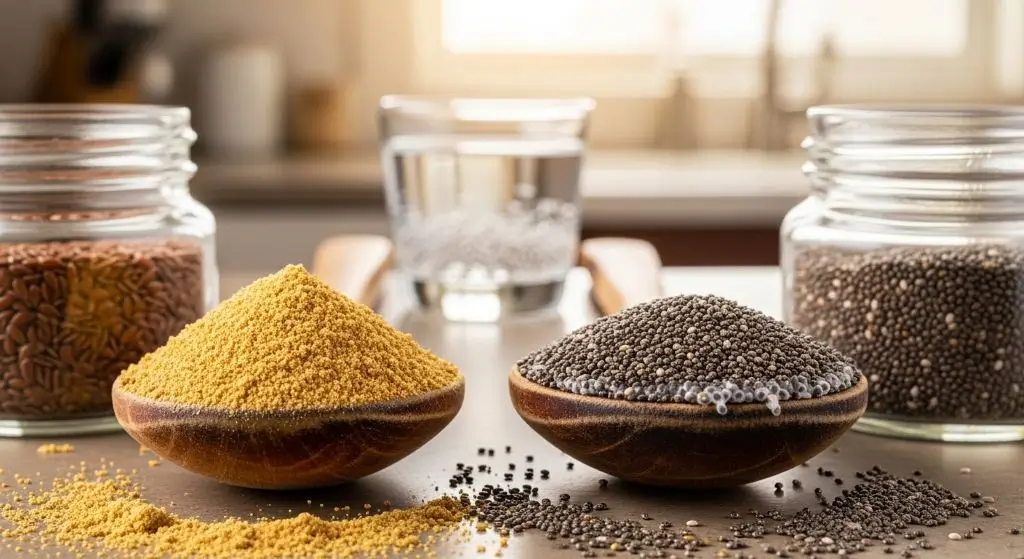
Both seeds are nutrient-dense, but their differences lie in fiber type, preparation, and specific compounds like lignans. The better choice depends on how you plan to use them.
Flaxseed and chia seeds both provide fiber, plant-based omega-3 fatty acids, and key micronutrients. The meaningful differences show up in how they behave in food, how your body processes them, and which nutrients they emphasize more strongly. Your ideal choice depends less on which seed is superior and more on how it fits into your routine.
Here is how we will break this down:
- Nutrition: What the numbers actually say
- Preparation: Time and technique required
- Weight management: How each fits into satiety strategies
- Digestibility: What your gut needs to know
- Cost and convenience: Real-world practicality
Chia Seeds vs Flax Seeds Nutrition
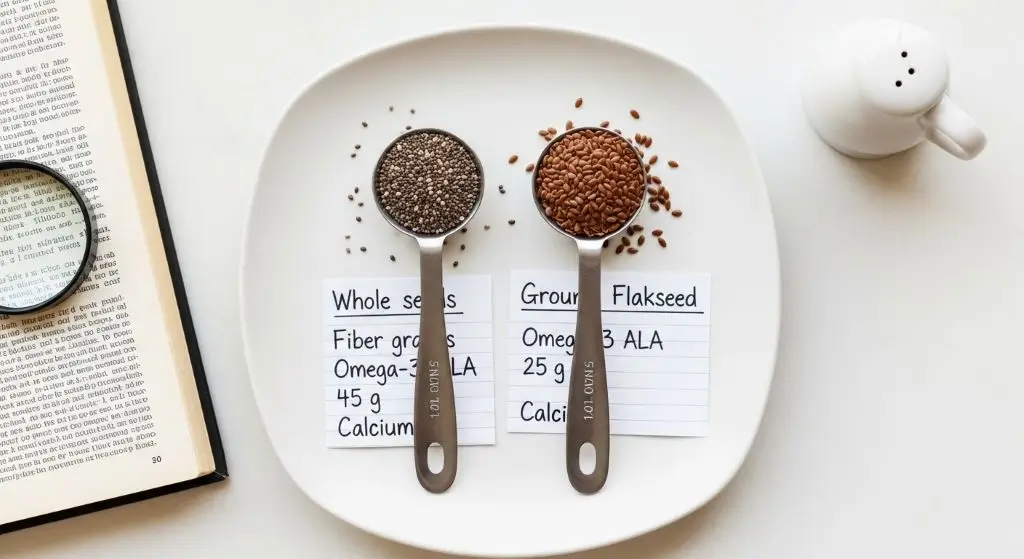
The nutrition difference between flaxseed vs chia seeds is small but meaningful in specific areas. Both provide fiber, plant-based omega-3s, and essential micronutrients, yet their profiles emphasize slightly different benefits depending on your goals.
| Nutrient (per 1 tablespoon) | Chia Seeds | Ground Flaxseed |
| Calories | 60 | 55 |
| Fiber | 5 g | 3 g |
| Protein | 2 g | 2 g |
| Omega-3 (ALA) | 1.9 g | 2.4 g |
| Calcium | 76 mg | 18 mg |
| Magnesium | 47 mg | 27 mg |
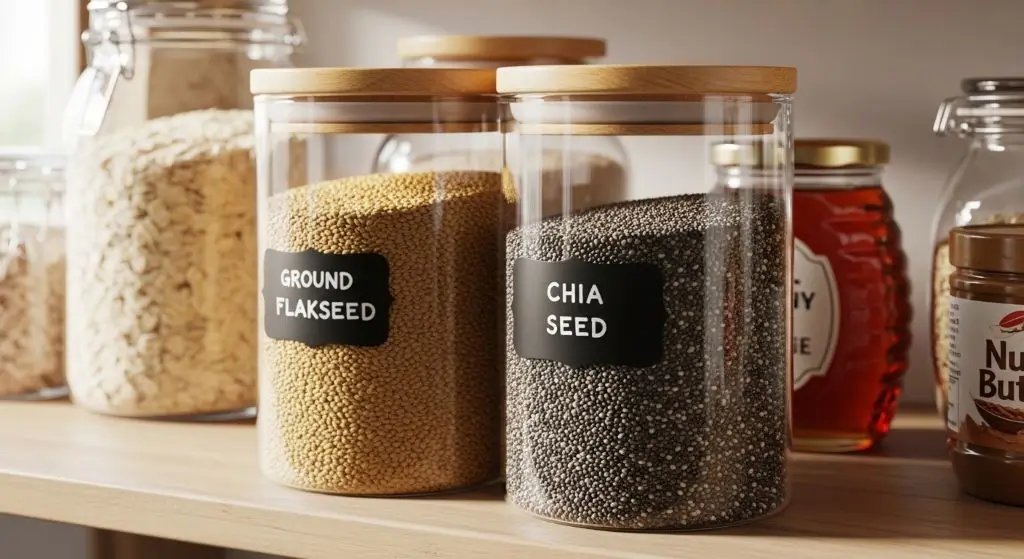
| Preparation requirement | Can eat whole | Must be ground |
Fiber Types Matter
Chia seeds contain higher total fiber, much of it soluble, forming a gel when exposed to liquid. This slows digestion and may help you feel satisfied longer. Flaxseed contains both soluble and insoluble fiber, with the insoluble portion supporting regular digestive function. According to Harvard T.H. Chan School of Public Health, gradual fiber increases improve digestive tolerance.
Omega-3 Reality Check
Flaxseed contains slightly more ALA than chia, providing roughly 2.4 grams per tablespoon versus 1.9 grams in chia. The body converts ALA to EPA and DHA at limited rates, typically under 10%, so neither seed replaces fish or algae-based omega-3s. Both contribute meaningfully to plant-based omega-3 intake as part of a varied diet, as noted by the National Institutes of Health.
Lignans: The Flaxseed Advantage
Flaxseed contains lignans, plant compounds with antioxidant properties absent in chia. NIH research shows flaxseed provides 75–800 times more lignans than other plant foods. Studies from Harvard T.H. Chan highlight that lignans may support hormone metabolism and cellular protection, though more research is ongoing.
Calcium Considerations
Chia seeds provide significantly more calcium per serving, making them a practical addition for those limiting dairies or seeking varied calcium sources. One tablespoon of chia seeds supplies roughly 8% of daily calcium needs, compared to 2% from flaxseed. According to Harvard T.H. Chan School of Public Health, incorporating chia seeds can help diversify calcium intake as part of a balanced diet.
Flaxseed vs Chia Seeds Benefits
When comparing flaxseed vs chia seeds benefits, the distinction comes down to fiber behavior, antioxidant compounds, and omega-3 content. Neither seed cures anything. Both can support a nutrient-dense eating pattern when consumed regularly.
Fiber and Digestive Support
Chia seeds absorb up to 12 times their weight in water, forming a gel that moves slowly through the digestive tract. This may support regularity and comfort for some individuals. Flaxseed provides bulk and fermentation substrate for gut bacteria, which may help support microbiome diversity over time.
Omega-3 and Heart-Supportive Eating Patterns
Both seeds contribute ALA intake, which observational studies associate with cardiovascular health when replacing saturated fat sources. The American Heart Association recognizes ALA as part of heart-healthy eating patterns, though these associations come from overall dietary patterns, not single-food interventions.
Antioxidants and Lignans
Flaxseed’s lignan content sets it apart. These polyphenols may support cellular protection and hormone metabolism. Chia seeds contain antioxidants too, primarily chlorogenic acid and caffeic acid, but they lack the specific lignan compounds found in flax.
For most people, including either seed contributes small but meaningful antioxidant benefits when part of a varied diet.
Blood Sugar and Satiety
The soluble fiber in both seeds may help moderate blood sugar responses after meals. Chia’s gel formation creates particular viscosity in the digestive tract, which some research suggests may blunt glucose spikes more effectively than less viscous fiber sources.
Flaxseed vs Chia Seeds for Weight Loss
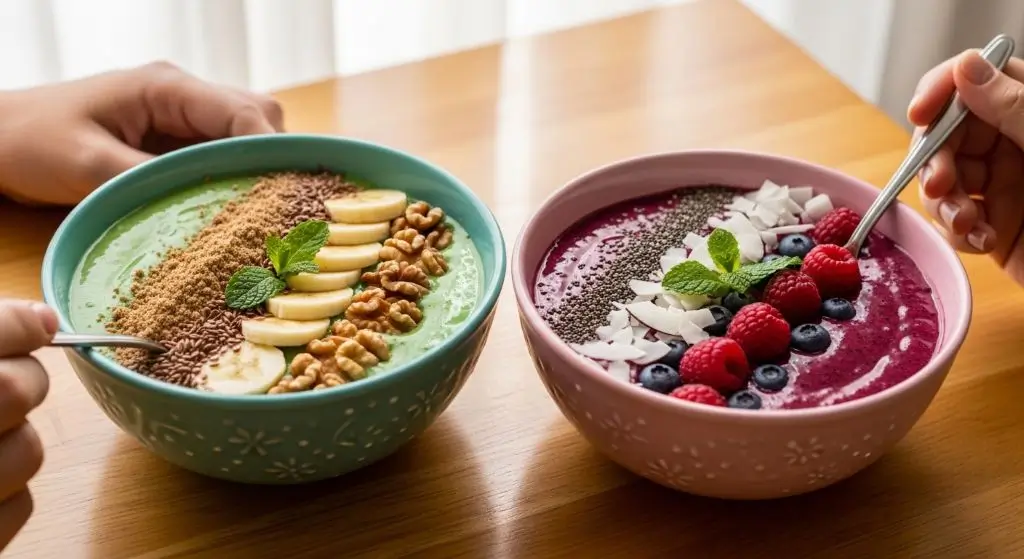
For most people, the calorie difference between flaxseed vs chia seeds is too small to affect weight on its own. When considering flaxseed vs chia seeds for weight loss, portion control matters more than seed choice. Both seeds can support weight management strategies, but neither causes weight loss directly.
Fiber and Fullness
Both seeds increase satiety through fiber content and volume:
- Chia: expands significantly in liquid, creating greater physical fullness
- Flax: provides satisfying fat and fiber in a smaller physical volume
Calorie Density Reality Check
At 55 to 60 calories per tablespoon, these seeds are energy-dense. Adding two tablespoons to everything without adjusting other portions will increase total calorie intake. Strategic use matters more than generous use.
No Shortcut Principle
No seed replaces overall eating patterns, movement, sleep, and stress management. Both flax and chia work as supporting elements within a broader approach to body composition.
How Much Chia Seeds Per Day?
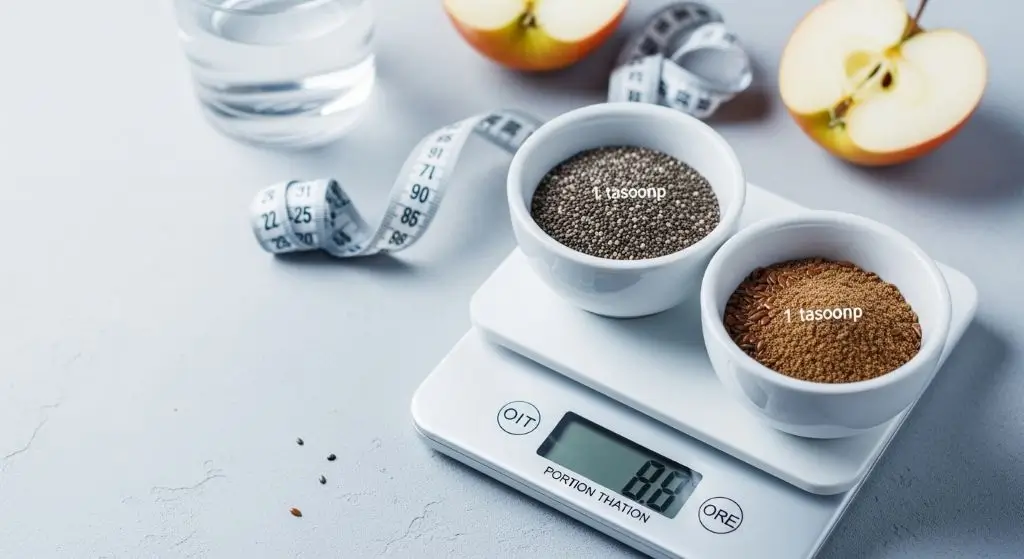
If you’re wondering how much chia seeds per day to consume, most adults can safely have 1 to 2 tablespoons. There is no official universal maximum, but moderation is key.
- Starting Amount: Begin with one tablespoon and assess your tolerance. Chia seeds absorb significant liquid, so adequate hydration is important. Some people may experience digestive discomfort if fiber is increased too quickly or eaten without enough fluid. Incorporating them alongside high-protein options like nonfat Greek yogurt can make digestion easier and meals more balanced.
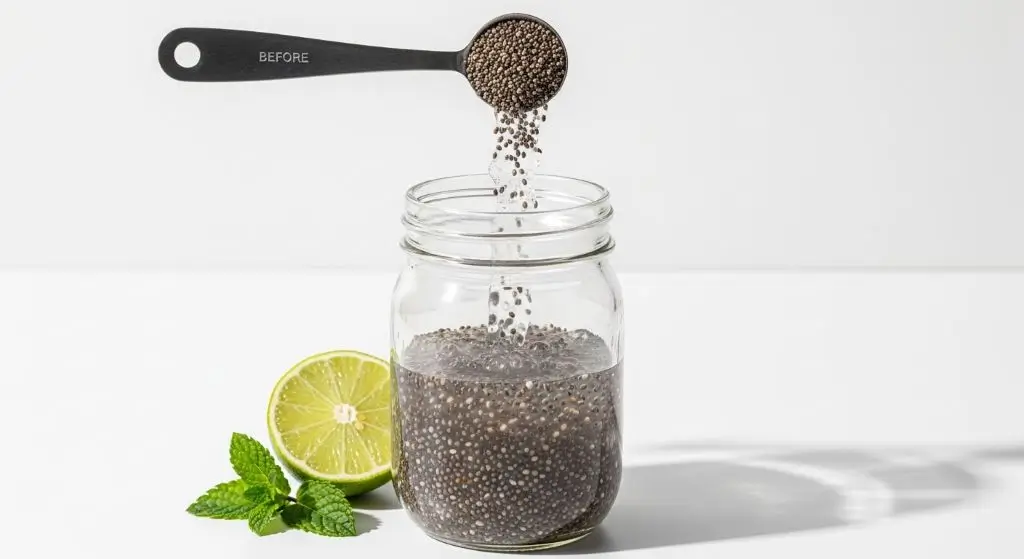
- Soaking Tips: Soak chia seeds for 10 to 15 minutes before eating. This improves digestibility and prevents them from absorbing water in your digestive tract instead of beforehand. Particularly useful if you’re prone to constipation or have a sensitive digestive system.
- Safety Considerations: If you have swallowing difficulties, esophageal conditions, or take timed medications, consult a healthcare provider before adding chia seeds regularly, as the gel-forming property could slightly affect absorption.
How Much Flaxseed Per Day?
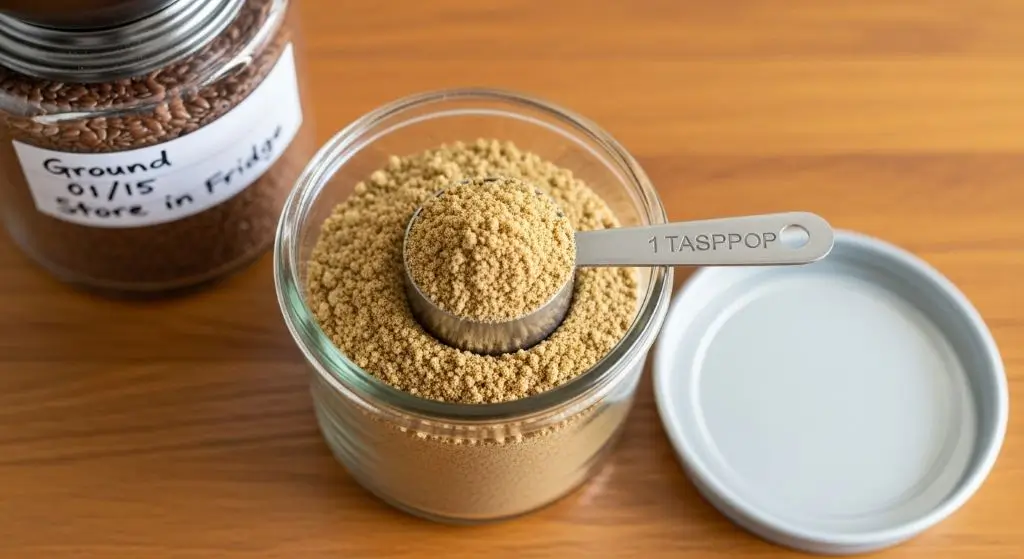
If you’re wondering how much flaxseed per day to consume, ground flaxseed is effective only when properly stored and used in moderate amounts. For most adults, 1 tablespoon of ground flaxseed per day is commonly recommended.
- Ground vs Whole: Whole flaxseed passes through the digestive system largely intact, so you miss most nutritional benefits unless the seeds are ground. A coffee grinder, blender, or spice grinder works well. Pre-ground flaxseed is convenient but requires careful storage. For easy daily use, pair it with nutrient-dense foods like Greek Yogurt vs Regular Yogurt or follow our guide to flaxseed benefits for daily diet.
- Storage Guidance: Ground flaxseed oxidizes quickly. Store it in an airtight container in the refrigerator or freezer. Whole flaxseed keeps at room temperature for up to a year but still benefits from cool, dark storage.
- Gradual Introduction: Increase intake gradually. The fiber can cause bloating or gas if your digestive system needs time to adjust. Start with one teaspoon daily for a week before moving up to a full tablespoon.
Digestibility and Preparation Differences
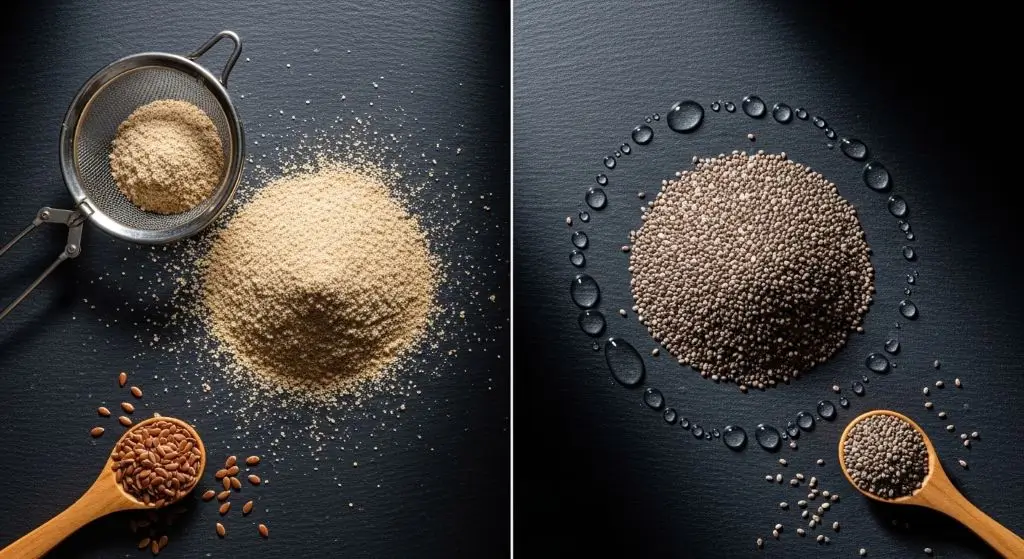
Preparation is one of the most practical differences in the flaxseed vs chia seeds comparison. One requires grinding. The other requires hydration.
Chia Seeds
- Can be eaten whole
- Mild flavor and absorbs liquid
- Versatile for puddings, smoothies, and baked goods
- Texture: small and slightly crunchy when dry, gel-like when soaked
Flaxseed
- Must be ground for optimal nutrient access
- Extra step requires equipment and planning
- Blends invisibly into oatmeal, yogurt, or baked goods without altering texture
- Easier to tolerate for sensitive digestive systems due to pre-broken structure
In short, chia seeds offer convenience with hydration, while flaxseed needs grinding to unlock nutrients. Choosing depends on your kitchen setup and digestive comfort.
Cost, Convenience, and Taste
Beyond nutrition, everyday use matters.
- Shelf Life: Chia seeds last longer in whole form, while ground flaxseed requires careful storage; whole flaxseed keeps well at room temperature.
- Grinding Required: Flaxseed must be ground for nutrient access, whereas chia seeds can be used whole.
- Texture Outcome: Chia forms a gel when soaked, useful in puddings or as an egg replacement; flaxseed blends invisibly into foods.
Cost and Flavor:
Chia seeds typically cost slightly more per ounce, though both remain economical compared to many protein sources or supplements. Flavor differences are subtle: chia is mildly nutty and neutral, while flax has a stronger nutty, earthy taste. Both work well in smoothies, oatmeal, or baked goods.
Who Should Choose Flaxseed?
Choose flaxseed if:
- You want higher lignan intake specifically
- You prefer seeds that disappear into recipes without textural change
- You do not mind the extra step of grinding or purchasing pre-ground
- You appreciate the nutty, earthy flavor profile
- You prioritize ALA omega-3 content with antioxidant compounds
Who Should Choose Chia Seeds?
Choose chia seeds if:
- You value convenience and minimal preparation
- You enjoy the gel texture in puddings or beverages
- You want slightly more fiber and calcium per tablespoon
- You prefer a milder, more neutral flavor
- You want seeds that travel well without special storage needs
Clear Takeaway
If convenience matters most, choose chia. If lignans and higher ALA are priorities, choose flax.
Both seeds support a balanced diet. The differences between flaxseed vs chia seeds are practical, not dramatic. Your choice depends on preparation preferences, texture, and nutrient priorities rather than any decisive superiority.
Rotation works well: use flaxseed in morning oatmeal for invisible nutrition, and chia seeds for afternoon puddings or hydration-focused beverages. Consistency matters more than perfection.
The real benefit comes from regular inclusion of varied fiber sources, not from relying on a single seed. Start with one tablespoon daily, adjust based on comfort, and include vegetables, legumes, whole grains, and adequate hydration.
Disclaimer: This article provides general nutrition information and does not constitute medical advice. Consult healthcare professionals before making significant dietary changes, especially if you have existing health conditions or take medications.
FAQs About Flaxseed vs Chia Seeds
1. What is the main difference between flaxseed and chia seeds?
Flaxseed and chia seeds are both nutrient-dense, providing fiber, plant-based omega-3s, and micronutrients. Flaxseed is higher in lignans and ALA, while chia offers more calcium and soluble fiber that forms a gel. Preparation and texture are also key differences: flaxseed must be ground, while chia can be eaten whole.
2. Which is better for daily use: flaxseed or chia seeds?
Neither is universally better. Choose chia for convenience, mild flavor, and calcium content. Choose flaxseed for higher ALA omega-3s, lignans, and invisible blending into recipes. Many people rotate both based on meals and preferences.
3. How much chia seeds per day is safe?
Most adults can safely consume 1 to 2 tablespoons of chia seeds per day. Start with one tablespoon, soak before eating, and drink plenty of water to avoid digestive discomfort.
4. How much flaxseed per day should I eat?
Ground flaxseed is effective in moderate amounts. One tablespoon per day is commonly recommended, starting gradually to allow your digestive system to adjust. Store properly in the refrigerator if ground to prevent oxidation.
5. Can flaxseed and chia seeds help with weight loss?
Both seeds can support weight management by promoting fullness, but they don’t directly cause weight loss. Portion control and overall dietary patterns are more important than seed selection.
6. Can I eat flaxseed and chia seeds together?
Yes. Combining small amounts of both seeds can provide broader nutrient coverage. Keep total portions moderate (about one tablespoon each) and maintain adequate hydration.
7. Are there any safety concerns with flaxseed or chia seeds?
Chia seeds should be soaked before eating, and people with swallowing difficulties or esophageal issues should consult a healthcare provider. Flaxseed should always be ground for nutrient absorption. Both seeds may affect digestion if increased too quickly.
8. Which is better for heart health: flaxseed or chia seeds?
Both contribute ALA omega-3s, which observational studies associate with heart-healthy eating patterns. Flaxseed is higher in ALA, but neither seed replaces medical treatment or fatty fish sources of EPA/DHA.










1 thought on “Flaxseed vs Chia Seeds: 9 Surprising Differences Revealed”