By Nadeem Sharif | Reviewed June 6, 2026 |
Medical Disclaimer: This article is for informational purposes only and does not replace professional medical advice. See our full disclaimer.
Introduction
Walk into any grocery store and you will find rows of olive oil bottles staring back at you. Some say extra virgin. Others say light or pure. It is no wonder people keep asking the same question: is olive oil good for health?
This guide walks you through the essential olive oil nutrition facts, how it fits into normal meals, and what the research really says. You will learn simple ways to use it, which bottle to grab on your next shopping trip, and practical answers to the question: is olive oil healthy for daily use?
Olive oil has been used for centuries in everyday cooking. Today, researchers continue studying its role in balanced eating patterns, heart health, and overall diet quality.
Table of Contents
What Makes Olive Oil Different from Other Cooking Oils?
Most cooking oils come from seeds or nuts that need heavy processing. They often go through chemical treatments and high heat before they ever reach your pan. Olive oil comes from a fruit, the olive, and less processing means more of the good stuff stays in the bottle.
Olive oil stands out for several reasons:
- It is made from olives rather than seeds
- It is less processed than many cooking oils
- It is rich in monounsaturated fats
- It naturally contains plant compounds
Olive Oil Nutrition Facts at a Glance
One tablespoon of olive oil provides about 120 calories, mostly from monounsaturated fat. You also get small amounts of vitamin E and natural plant compounds called polyphenols. Most of those calories come from fat, but these are the types of healthy fats in olive oil that researchers often encourage when used in place of less healthy options.
Extra Virgin Olive Oil vs Regular Olive Oil
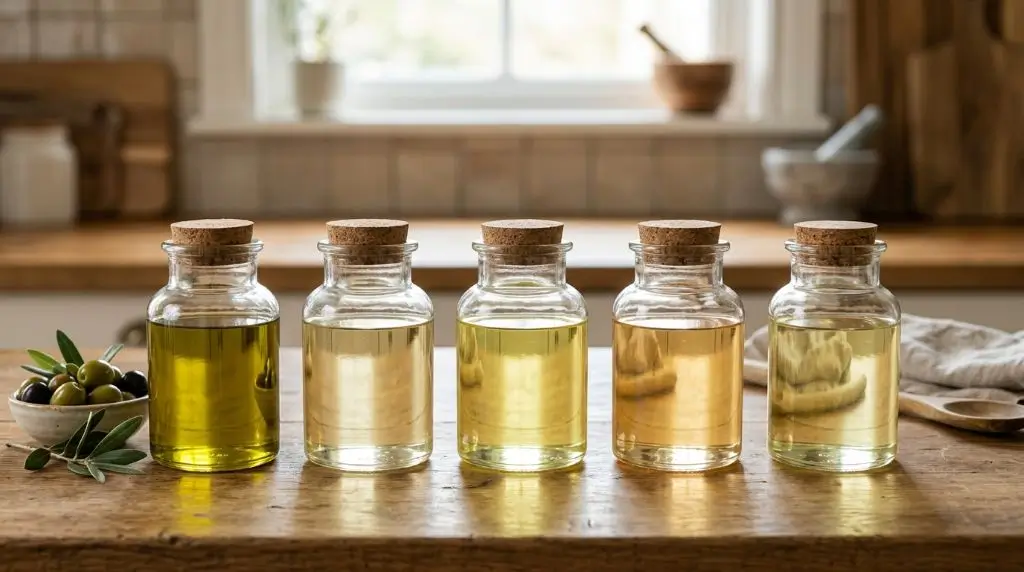
Extra virgin olive oil is the least processed kind. Makers press the olives mechanically without using high heat or chemicals. Regular olive oil goes through more refining, which gives it a longer shelf life and a milder taste, but it loses some natural compounds along the way.
| Feature | Extra Virgin | Regular / Refined |
| Processing | Minimal, mechanical pressing | Refined with heat and/or chemicals |
| Flavor | Bold, fruity, peppery | Mild, neutral |
| Natural compounds | Higher polyphenol content | Lower polyphenol content |
| Smoke point | About 375°F (190°C) | About 465°F (240°C) |
| Best used for | Dressings, finishing, low to medium heat | High-heat cooking, frying, baking |
When you cook with extra virgin, you get a stronger, peppery flavor. Regular olive oil generally has a higher smoke point, which can make it useful for higher-heat cooking, but it does not carry the same depth of flavor or antioxidant content.
Is Olive Oil Good for Health?
So, let us get to the point. Is olive oil good for health? For most people, the answer is yes, especially when it replaces less healthy fats in the diet.
A large study published in the Journal of the American College of Cardiology tracked over 92,000 U.S. adults for 28 years. Researchers found that those who consumed at least half a tablespoon of olive oil daily had a 19% lower risk of dying from cardiovascular disease compared to those who rarely used it.
The same study also linked higher olive oil intake to lower death rates from cancer, neurodegenerative diseases, and respiratory diseases. Replacing just 10 grams per day of margarine, butter, mayonnaise, or dairy fat with olive oil was associated with a lower risk of death overall. Higher olive oil consumption linked with lower risk of premature death.
It is important to note that this type of research shows association, not direct causation. Still, the pattern is consistent with what nutrition experts have observed for decades.
Why Olive Oil Is Considered a Healthy Fat
Your body needs fat for energy, vitamin absorption, hormone production, and meal satisfaction. Monounsaturated fats, which make up about 70 to 75 percent of olive oil, are one of the better choices. They do not raise LDL cholesterol the way saturated fats can. These healthy fats in olive oil are one reason doctors often suggest using it instead of butter.
Olive Oil Food Benefits for Everyday Eating
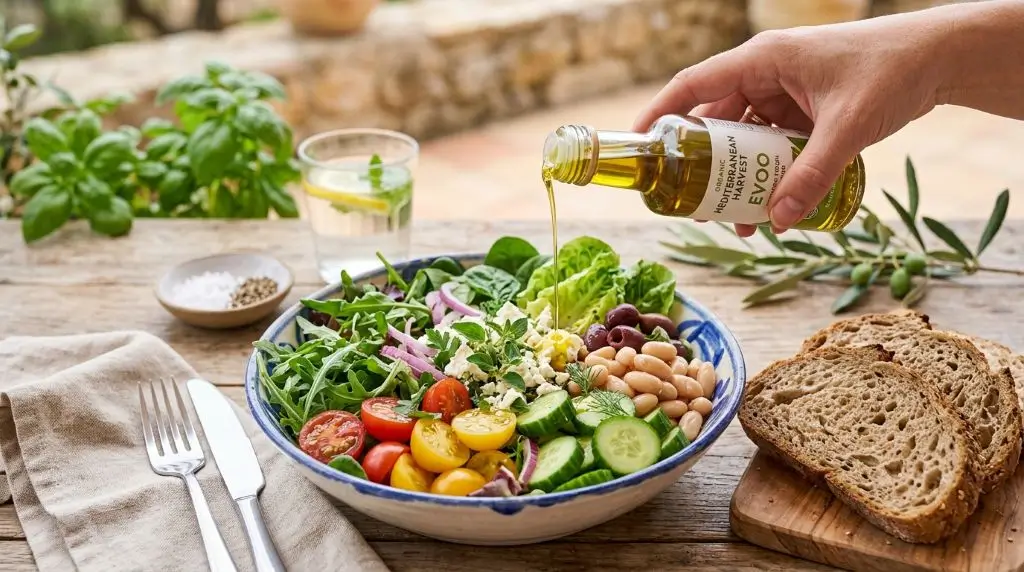
Olive oil food benefits go beyond just heart health. It can also make meals more satisfying. When your salad has a drizzle of olive oil, you tend to feel fuller longer. It adds flavor without needing heavy processing. A simple plate of tomatoes, beans, and bread becomes something special with just a splash.
These olive oil food benefits make real food taste better, so you actually want to eat it. Olive oil works especially well alongside other nutritious foods, including items from our fiber-rich foods list.
It also pairs beautifully with whole grains and proteins you might use in a high-protein breakfast.
Olive Oil Nutrition Facts and Healthy Fats Explained
Let us break this down in plain terms.
What Are the Healthy Fats in Olive Oil?
Most of the fat in olive oil comes from monounsaturated fat, with small amounts of polyunsaturated and saturated fat. The main monounsaturated fat is called oleic acid. This type of fat stays stable at moderate temperatures and does not affect your cholesterol profile the way some other fats might. That is why many healthcare providers suggest using it instead of butter for everyday cooking.
Does Olive Oil Contain Vitamins and Antioxidants?
Yes, but not in huge amounts. A single tablespoon of extra virgin olive oil gives you roughly 13% of your daily vitamin E and about 7% of your daily vitamin K.
The real stars are the polyphenols. These are natural plant compounds that researchers study for their role in managing oxidative stress. Extra virgin olive oil contains more of them because the gentle cold pressing process keeps them intact.
One notable polyphenol is oleocanthal, which gives high-quality extra virgin oil its characteristic peppery kick. Refined or light olive oils go through more processing, which strips away many of these protective compounds.
According to the Mayo Clinic, extra virgin olive oil is the healthiest form because it is minimally processed, preserving anti-inflammatory compounds that give it an edge over other oils.
How to Use Olive Oil for Health Benefits
Learning how to use olive oil for health benefits does not require a complete diet overhaul. Small swaps and simple habits are all it takes. The goal is to replace less healthy fats you already use, not to pour extra oil on top of everything. Start with one or two ideas and build from there.
Easy Ways to Add Olive Oil to Meals
Here are six simple ways to work it into your routine:
- Make your own salad dressing. Mix three parts olive oil with one part vinegar or lemon juice, add a pinch of salt, and you have a dressing that beats anything from a bottle.
- Roast your vegetables. Toss broccoli, carrots, or Brussels sprouts with olive oil before baking. They come out golden and crisp.
- Upgrade your dips and spreads. Hummus and white bean dip taste richer with a drizzle of olive oil on top.
- Use it for light cooking. Gently warming garlic or onions in olive oil builds a flavor base. Keep the heat low to medium.
- Drizzle it over finished dishes. A small splash over soup or grilled fish adds richness without extra salt.
- Use it in marinades. Combine olive oil with lemon juice and garlic to marinate chicken or fish.
Cooking With Olive Oil Every Day
You can also build habits around daily cooking. Here are five practical ideas:
- Sauté vegetables like onions, peppers, or leafy greens in olive oil.
- Swap it for butter on toast. A light brush of olive oil on whole-grain toast with herbs gives you a savory breakfast without the saturated fat.
- Replace processed fats in baking. Olive oil works well in muffins and quick breads that call for vegetable oil.
- Drizzle over grain bowls. A small amount over quinoa or brown rice ties the whole bowl together.
- Use it for roasting proteins. Chicken and fish stay moist with a light coating of olive oil before the oven.
Cooking with olive oil is simple once you find the methods that fit your routine. Cooking with olive oil every day starts with choosing the right type for your heat level and recipe.

Which Olive Oil Is Best for Cooking?
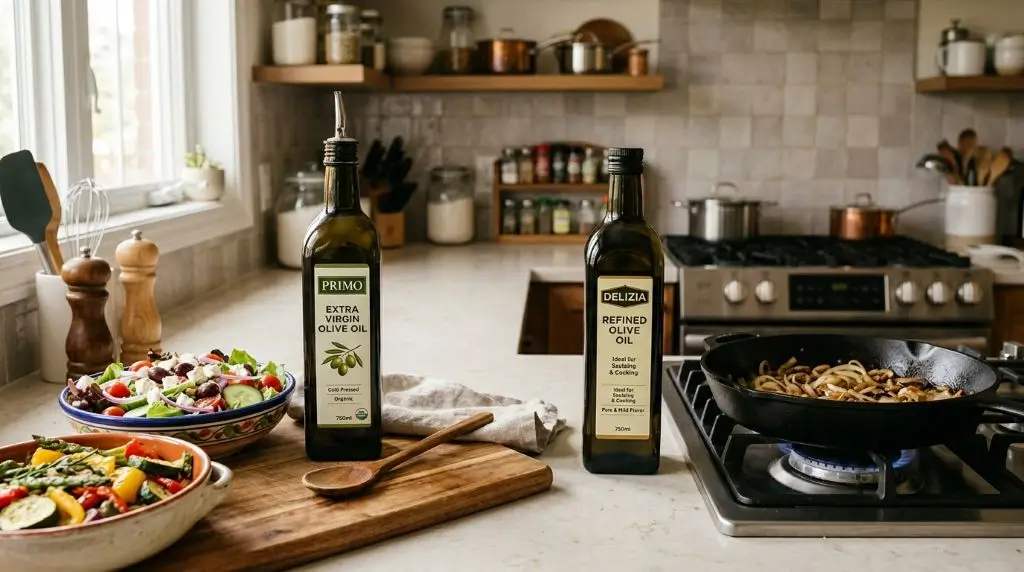
If you are wondering which olive oil is best for cooking, the answer depends on how you plan to use it. Different types work better for different cooking methods. Cooking with olive oil is simple once you match the oil to the heat level and recipe.
Best uses for extra virgin olive oil:
- Salad dressings
- Roasted vegetables
- Everyday sautéing
Best uses for refined olive oil:
- High-heat cooking
- Stir-frying
- Budget-friendly cooking
Extra Virgin Olive Oil for Everyday Cooking
Extra virgin olive oil is where most people start for daily use. It has a bold, fruity flavor that works great for finishing dishes, dressings, and low to medium heat cooking. Many experts recommend it because it keeps those natural antioxidants intact.
If you are roasting vegetables at 375°F (190°C) or sautéing greens, extra virgin holds up fine. Many nutritionists point to extra virgin for everyday tasks because you get the flavor and the compounds in one bottle.
When Other Types of Olive Oil May Work Better
Refined olive oil or light olive oil has a more neutral taste and a higher smoke point. That means it can handle hotter pans without breaking down. If you are searing a steak or doing stir-fry at high heat above 400°F (204°C), these might work better. They also cost less, which matters if you cook with oil every single day.
So which olive oil is best for cooking? It really depends on the heat level and your budget. Keep extra virgin on hand for flavor and moderate heat cooking, and grab a refined bottle when the burner gets cranked up high.
How Much Olive Oil Per Day Is Reasonable?
There is no single amount that works for everyone. Your needs depend on your overall diet, activity level, and how often you use olive oil in meals. For most people, moderate daily use is enough to enjoy the benefits without adding unnecessary calories.
Typical Serving Sizes
A practical serving is usually one tablespoon. Many people use olive oil by adding it to salads, cooking vegetables with it, or drizzling it over finished meals. Some people go up to two tablespoons, especially if they are following a Mediterranean style of eating.
The key is to spread it across meals rather than pouring it all at once. Put some on your salad at lunch. Use a little for cooking dinner. If you are wondering how much olive oil per day is right for you, start with one tablespoon and see how it fits.
Why More Is Not Always Better
Olive oil is still fat, and fat has calories. Even the healthy fats in olive oil add up if you are not paying attention. Two tablespoons is roughly 240 calories. If you pour freely without measuring, you could easily add hundreds of extra calories to a dish that did not need them. A drizzle of olive oil on a plate of vegetables is a smart move. Drowning fried food in olive oil is still fried food.
This is why how much olive oil per day matters just as much as the quality you choose.
Common Mistakes People Make With Olive Oil
Olive oil can be part of a healthy eating pattern, but a few common mistakes can reduce its benefits. Most of these issues are easy to avoid once you know what to watch for.
Common Olive Oil Mistakes
Here are five mistakes to watch for:
- Pouring without measuring. Calories add up quickly when you eyeball it. One heavy pour can easily be two or three tablespoons without you realizing it.
- Assuming all olive oils are the same. A refined olive oil is not the same as a fresh extra virgin olive oil. Different types offer different flavors and levels of natural compounds.
- Using old or stale oil. Olive oil does not last forever. If a bottle has been sitting open for a year, it may have lost much of its freshness and some of its beneficial compounds.
- Replacing vegetables with extra oil. Some people add more oil thinking the oil itself is the health star. In reality, olive oil works best alongside nutrient-rich foods, not instead of them.
- Expecting olive oil alone to create health benefits. No single food does that. Olive oil works best as part of an overall balanced eating pattern.
You can explore more smart eating strategies in our guide to healthy snack alternatives to junk food.
Extra Virgin Olive Oil Benefits in Real Life
Extra virgin olive oil gets most of the attention when people talk about healthy fats and Mediterranean-style eating. While all olive oils have their place, extra virgin stands out because of its minimal processing, flavor, and natural plant compounds.
Why People Choose Extra Virgin Olive Oil
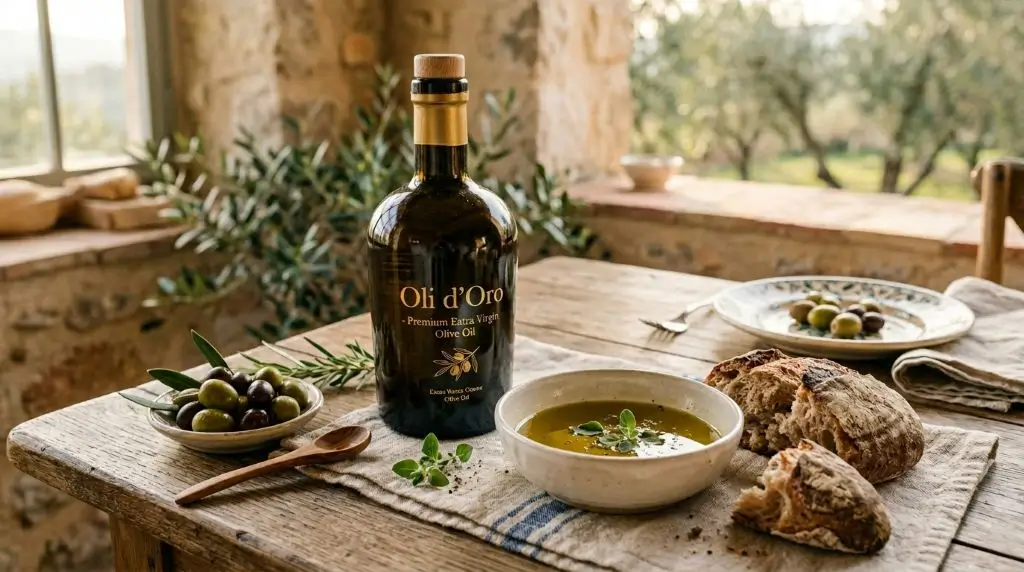
People often choose extra virgin olive oil because it is less processed, contains natural antioxidants, has a richer flavor, and works in many recipes. Less processing means more of the olive stays in the bottle. The distinct flavor makes simple food exciting. Natural antioxidants give it an edge over refined versions. You can use it for cooking, for dipping bread, or for dressing a salad. The extra virgin olive oil benefits really show up when you use it regularly as part of a balanced plate.
Research from the Harvard T.H. Chan School of Public Health confirms that a Mediterranean diet supplemented with extra virgin olive oil reduced major cardiovascular events in the PREDIMED study, highlighting how these healthy fats support heart health.
Is Extra Virgin Olive Oil Worth Buying?
It depends on your budget and your habits. If you use olive oil mostly for salads and finishing dishes, a good extra virgin bottle makes sense. Look for a harvest date on the label, not just an expiration date. Dark glass bottles protect the oil from light.
If you are on a tight budget, buy one decent extra virgin for cold uses and a cheaper refined version for high-heat cooking. The extra virgin olive oil benefits are real, but a higher price tag does not automatically mean a better bottle. For more whole-food nutrition ideas, check out our article on oats nutrition benefits.
Conclusion
Is olive oil good for health? The answer is yes, with a small caveat. It can be part of a healthy diet when used in reasonable amounts and when it replaces less healthy fats rather than simply adding more calories. The real win comes from focusing on overall eating habits rather than any single food.
So is olive oil healthy? For most people, the answer remains yes when it is part of a balanced approach. Use it on your vegetables. Swap it for butter on your toast. Measure your pour. A decent olive oil used regularly beats a fancy one sitting in the back of your cabinet.
FAQs about Is Olive Oil Good for Health
Q1: Is olive oil good for health?
Yes. Olive oil provides mostly monounsaturated fats and can be part of a balanced eating pattern.
Q2: Is olive oil healthy for everyday cooking?
For most people, yes. Olive oil works well for sautéing, roasting, and finishing meals.
Q3: How much olive oil per day should you use?
Many people use 1 to 2 tablespoons daily as part of meals, depending on their overall diet and calorie needs.
Q4: Which olive oil is best for cooking?
Extra virgin olive oil is a popular choice for everyday cooking because it contains natural antioxidants and has a rich flavor.
Q5: What are the healthy fats in olive oil?
Most of the fat in olive oil comes from monounsaturated fatty acids.
Q6: What are the main extra virgin olive oil benefits?
Extra virgin olive oil contains natural plant compounds, antioxidants, and healthy fats while undergoing minimal processing.
Q7: How can I use olive oil for health benefits?
Replace butter or processed seed oils with olive oil. Drizzle it on vegetables, use it in homemade dressings, and add it after cooking for flavor rather than deep frying in large amounts.
Food & Nutrition Writer at PureHealthBites

Nadeem Sharif is the voice behind PureHealthBites, a blog focused on simple nutrition and everyday food choices. With hands-on experience experimenting with ingredients and meals, he shares practical, gut-friendly ideas to help readers eat well, feel better, and build healthier habits for real life.
Connect With Nadeem