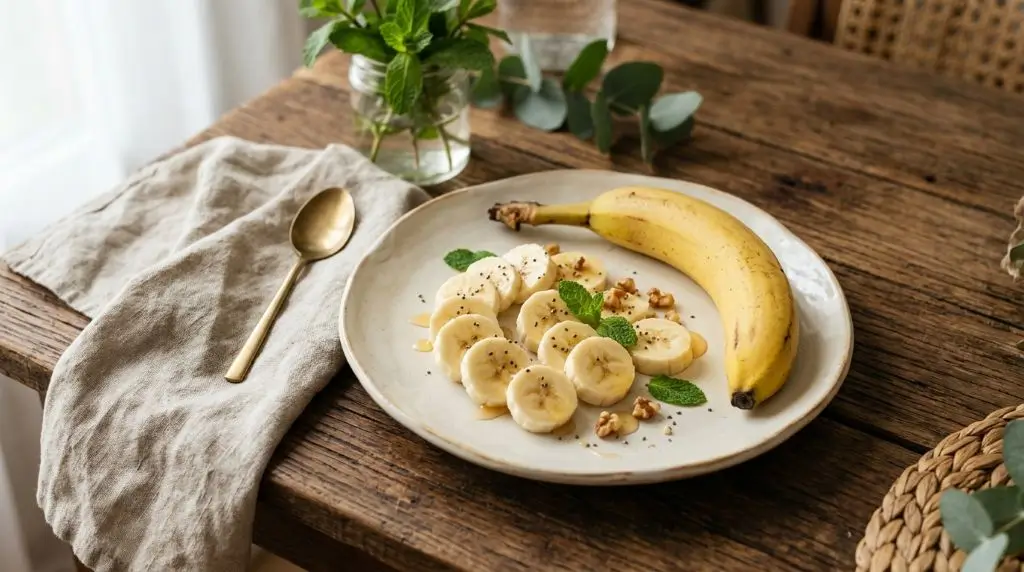
By Nadeem Sharif | Reviewed July 30, 2026 |
Medical Disclaimer:This article is for informational purposes only and does not replace professional medical advice. See our full disclaimer.
Introduction
It is 7:15 in the morning. Your coffee is brewing, your toast is popping up, and you are staring at a bunch of yellow bananas on your counter. You grab one on your way out the door because it is easy. No peeling hassle. No mess. Just a quick, sweet bite that keeps you going until lunch.
That scene plays out in millions of homes every single day. Bananas are one of the most popular fruits on the planet for good reason. They are cheap. They are portable. They do not need a fridge. And they taste good to almost everyone, from toddlers to grandparents.
But here is the thing most people miss. Knowing banana nutrition facts is only half the story. When you eat that banana matters too. A banana at breakfast does something different in your body than a banana after a workout or a banana before bed. Timing is not everything, but it is worth understanding.
In this article, we will look at what is actually inside a banana. We will break down the vitamins, minerals, calories, and carbs in simple terms. Then we will talk about the best time to eat banana based on what you need that day. Whether you want steady energy, better digestion, or just a smart snack choice, you will leave here with practical answers you can use tomorrow morning.
Medical Disclaimer: The information in this article is for general educational purposes only. It is not medical advice, diagnosis, or treatment. Always talk to your doctor or a qualified health professional before making changes to your diet, especially if you have a health condition or take medication.
Table of Contents
Banana Nutrition Facts at a Glance
Sometimes you just want the numbers. No fluff. No long explanations. This quick banana nutrition breakdown makes it easy to compare nutrients at a glance, based on data from the USDA FoodData Central. Keep these banana nutrition facts handy when planning your meals.
| Nutrient | Amount | Daily Value (%) |
| Calories | 105 | – |
| Carbohydrates | 27g | – |
| Fiber | 3g | 11% |
| Protein | 1.3g | – |
| Potassium | 422mg | 9% |
| Vitamin B6 | 0.4mg | 25% |
| Vitamin C | 10mg | 11% |
| Magnesium | 32mg | 8% |
| Natural Sugars | 14g | – |
Those numbers come from a medium banana weighing about 118 grams with the peel off. If your banana is larger or smaller, the numbers shift a little. But this is the standard most people use when they talk about banana nutrition content.
Did You Know? A medium banana contains about 3 grams of fiber and provides around 10% of the daily value for potassium, making it one of the most convenient nutrient-rich fruits.
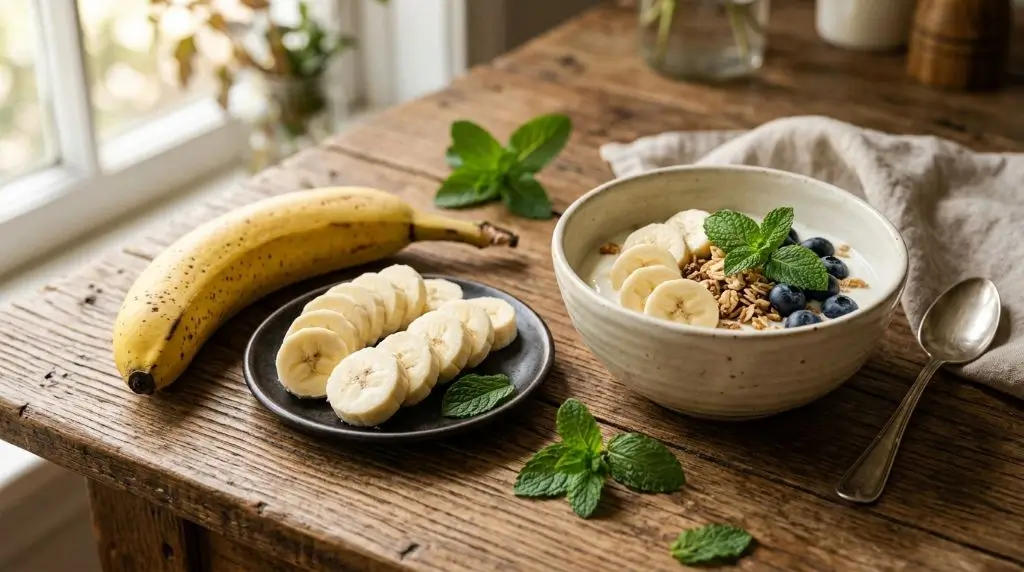
Banana Vitamins and Minerals Explained
Numbers on a page do not mean much if you do not know what they do in your body. Let us look at the main players one by one.
Potassium
Bananas are famous for banana potassium levels, and the reputation is fair. One medium banana delivers about 422 milligrams. Potassium is a mineral that helps your nerves talk to each other and helps your muscles contract the way they should. It also plays a role in keeping your heartbeat steady. Most people do not get enough potassium in their diet, according to the National Institutes of Health. Adding bananas regularly as part of a balanced diet is one practical way to increase potassium intake.
Vitamin B6
A medium banana gives you about 25% of your daily vitamin B6 needs. This vitamin is busy behind the scenes. It helps your body turn food into energy. It also supports brain development and helps make neurotransmitters, the chemicals that carry signals in your brain. If you feel sluggish in the afternoon, the B6 in a banana is one small piece of the energy puzzle.
Vitamin C
Most people think of oranges when they think of vitamin C, but bananas hold their own. One medium banana has about 10 milligrams, which is roughly 11% of what most adults need in a day. Vitamin C supports your immune system and helps your body repair tissues. It is also an antioxidant, which means it helps protect your cells from daily wear and tear.
Magnesium and Other Nutrients
Bananas are not magnesium powerhouses like nuts or seeds, but they still contribute about 32 milligrams per fruit. Magnesium supports muscle and nerve function, helps regulate blood sugar, and plays a role in blood pressure control. Bananas also contain small amounts of folate, riboflavin, and niacin. No single nutrient makes a banana special. It is the combination that matters.
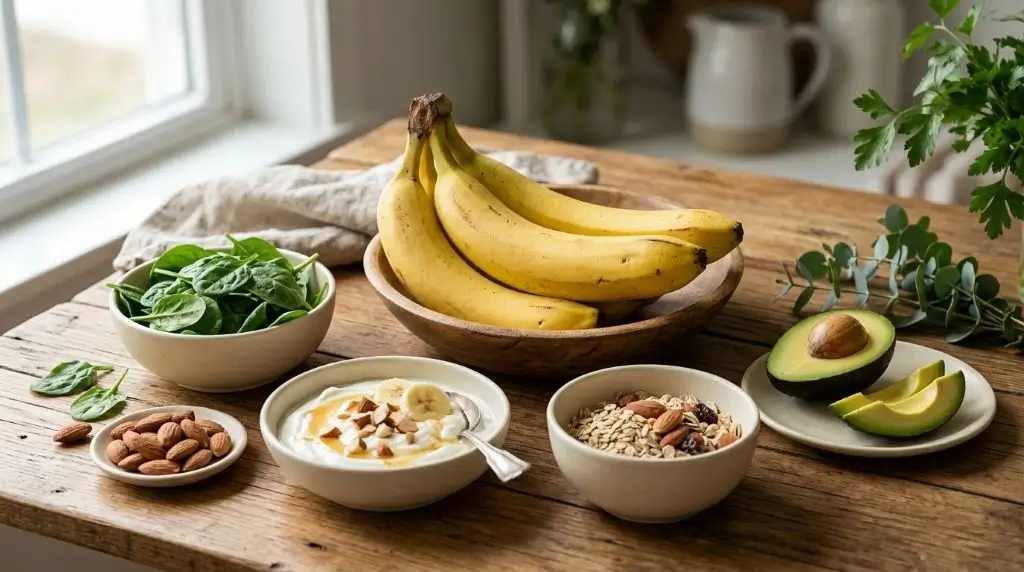
Banana Nutrition Benefits
It is easy to list health claims. But let us do this the right way. First, we will look at what the nutrients do. Then we will connect them to real benefits you might notice in your daily life. Once you understand banana nutrition facts, the benefits make more sense.
Supports Everyday Energy
Bananas contain natural sugars – glucose, fructose, and sucrose. These give you a quick lift. But they also contain fiber, which slows digestion just enough to prevent a sharp spike and crash. The vitamin B6 helps convert those carbs into usable fuel. The result is steady, reliable energy that does not feel like a roller coaster. That is why many athletes reach for a banana before a run or a game.
Helps Support Digestive Health
Fiber is the quiet hero here. A medium banana has about 3 grams, which helps keep things moving through your digestive system. Some of that fiber is pectin, which can help firm up stools if things are too loose. Other fiber feeds the good bacteria in your gut. A healthy gut microbiome supports digestion, immunity, and even mood. The Mayo Clinic recommends getting enough fiber daily, and bananas make that goal easier.
Supports Heart Health
The potassium in bananas gets attention for a reason. The American Heart Association explains that potassium helps counterbalance sodium in your diet. Most people eat too much salt and not enough potassium. That imbalance can put pressure on your cardiovascular system over time. Eating potassium-rich foods like bananas is a practical step toward better balance.
Convenient Natural Snack
Let us not overlook the obvious. Bananas come in their own wrapper. They do not need washing. They fit in a backpack, a purse, or a desk drawer. When hunger hits at 3 p.m. and the vending machine is calling your name, a banana is a ready answer. That convenience means you are more likely to actually eat it instead of grabbing something processed.
These nutrients work together to provide several everyday health benefits.
Quick Tip: Choose bananas with a few brown speckles when you want a naturally sweeter taste. If you prefer a firmer texture and slightly lower sugar content, choose a banana that is still mostly yellow.
Ripe Banana vs Unripe Banana Nutrition
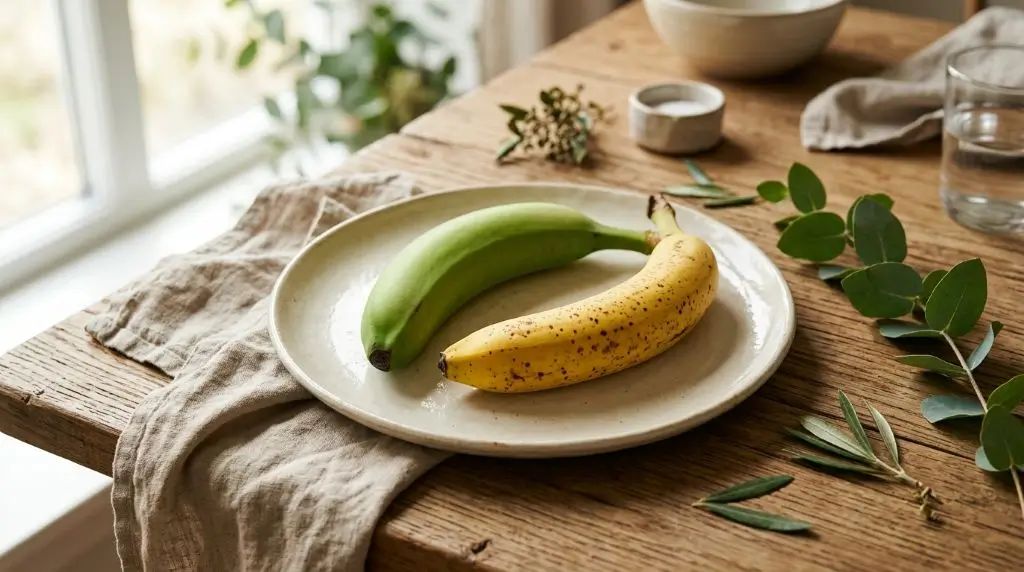
Not all bananas are the same. A green banana and a spotted brown banana are different foods in some ways. This is one of the most overlooked parts of ripe banana vs unripe banana nutrition.
Green Bananas
Green bananas are high in resistant starch. This type of starch acts like fiber. It resists digestion in your small intestine and feeds good bacteria in your large intestine. That can help you feel full longer and support gut health. Green bananas also have a lower glycemic impact, meaning they raise blood sugar more slowly. The trade-off? They have a firmer texture and a mildly starchy flavor. Some people find them harder to digest.
Yellow Bananas
As bananas ripen, their starch turns into sugar. A yellow banana is sweeter and softer. The resistant starch drops, and simple sugars rise. That makes yellow bananas easier to digest for most people. They also provide faster energy, which is why ripe bananas are popular before exercise. The antioxidant levels actually increase as bananas ripen, according to research published in Food Chemistry.
Which Should You Choose?
It depends on your goals. If you want steady blood sugar and longer fullness, a greener banana might work better. If you want quick energy or have a sensitive stomach, go for a ripe yellow one. There is no wrong choice here. Both versions offer solid banana nutrition benefits.
Best Time to Eat Banana
This is where most articles stop and this one keeps going. Let us talk about timing. Because when you eat a banana can change how your body uses it.
Is Banana Good for Breakfast?
Yes, and here is why. A banana in the morning gives you natural sugars for quick energy and fiber to keep you satisfied until your next meal. Pair it with protein, like Greek yogurt or a handful of nuts, and you have a balanced start. If you want more practical ideas for creating a filling morning meal, read our guide on building a high-protein breakfast. Eating a banana alone for breakfast might leave you hungry in an hour.
Banana Before or After Workout?
Both work, but they serve different purposes.
Before a workout, a ripe banana gives you fast-acting carbs that your muscles can use right away. The potassium also helps prevent muscle cramps during longer sessions. Eat it about 30 minutes before you start.
After a workout, a banana helps replenish the glycogen your muscles just burned through. Pair it with protein, like a protein shake or some eggs, to support recovery. The potassium lost through sweat gets replaced too.
So which is better? If you need fuel, eat it before. If you need recovery, eat it after. Many serious athletes do both.
Is It Okay to Eat a Banana at Night?
There is a myth that bananas at night cause weight gain or disturb sleep. There is no strong evidence for that. A banana at night is fine for most people. In fact, the magnesium and potassium might help your muscles relax. The natural sugars are not enough to cause problems unless you are eating several bananas right before bed. If a small banana helps you avoid a heavy late-night snack, it is probably a smart swap.
Is There Really a Best Time?
Here is the honest answer. It depends on your goals. If you want morning energy, eat it with breakfast. If you want workout fuel, eat it before. If you want recovery, eat it after. If you want a light evening snack, a banana works then too. The best time to eat banana is the time that fits your life and your needs. The fruit is flexible. Your body is smart. It will use the nutrients either way.
Is Banana Healthy for Weight Management?
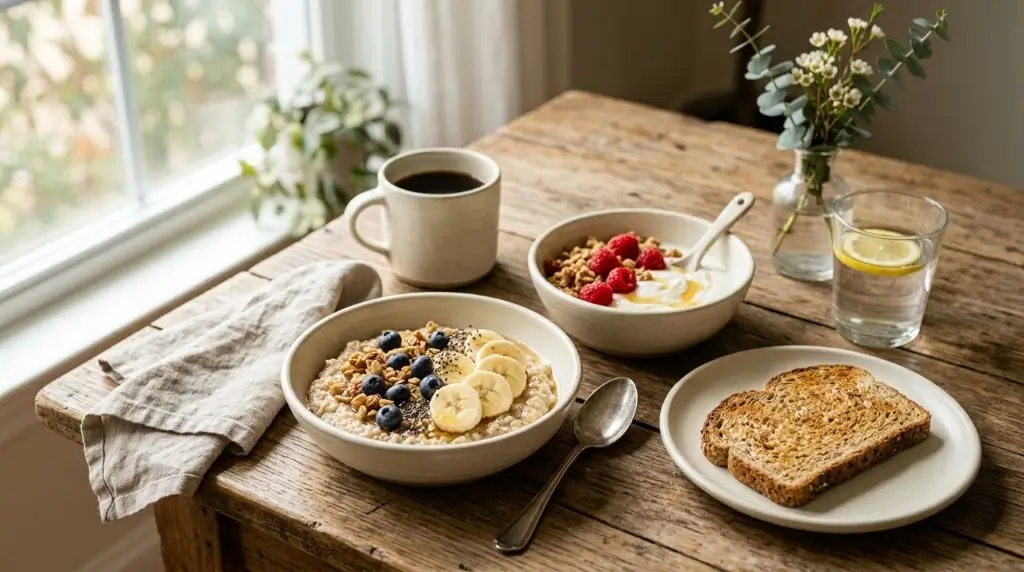
One of the biggest myths about bananas is that they automatically cause weight gain. Some people avoid bananas because they think the sugar will make them gain weight. That fear is overblown.
- Satiety: A banana is more filling than a bag of chips or a candy bar, even though it has fewer calories. The fiber and water content add bulk to your stomach, which sends fullness signals to your brain. That means you are less likely to overeat later. If you’re interested in the science behind satiety, learn why protein and fiber keep you full.
- Calories: At about 105 calories per medium banana, this is not a high-calorie food. It is roughly the same as a small granola bar, but with more nutrients and no processed ingredients.
- Fiber: We have said it before, but it matters here too. The 3 grams of fiber in a banana slows digestion and helps control appetite. High-fiber diets are linked to healthier body weights in general, according to research from Harvard T.H. Chan School of Public Health.
- Portion Control:One banana is a single, pre-measured serving. You do not have to guess. You do not have to weigh anything. That built-in portion control makes it easier to eat mindfully.
Will bananas make you fat?
No single food makes you fat. Weight gain happens when you consistently eat more calories than you burn over time. Bananas are not magic weight-loss food either. They are simply a nutritious, moderate-calorie option that can fit into a balanced eating plan. If you eat three bananas on top of a full day of meals, those extra calories add up. But one banana as a snack or part of a meal? That is a reasonable choice.
Did You Know? Bananas contain no cholesterol and very little fat. Most of their calories come from naturally occurring carbohydrates, making them a convenient source of energy.
Banana Calories, Carbs, Protein and Fiber
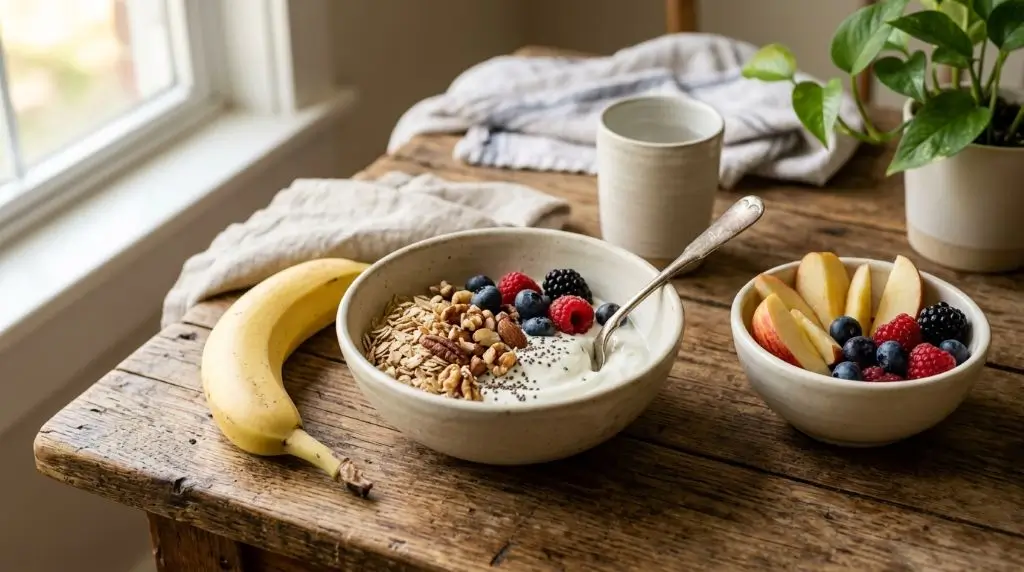
Let us break down the big four macronutrients so you know exactly what you are eating.
Calories
A medium banana has about 105 calories. A large one might hit 120. A small one might be closer to 90. For most adults eating around 2,000 calories a day, a banana takes up about 5% of your daily intake. That is a small investment for the nutrients you get back.
Carbohydrates
Bananas are a carb-heavy fruit. A medium banana has about 27 grams of total carbs. Most of those carbs come from natural sugars and starch. If you are tracking your banana carbs for a specific eating plan, use the 27-gram number as your baseline. For most active people, those carbs are a good thing. They fuel your brain, your muscles, and your daily movement.
Protein
Bananas are not a protein food. One medium banana has about 1.3 grams. That is fine. Fruit is not intended to be your primary source of protein. Pair your banana with peanut butter, yogurt, or a hard-boiled egg if you want a more balanced snack. If you’re choosing peanut butter, our guide to peanut butter nutrition facts explains what to look for before buying.
Fiber
At 3 grams per medium banana, the banana fiber content is solid for a single piece of fruit. Women generally need about 25 grams of fiber per day, and men need about 38 grams. One banana gets you roughly 8 to 12% of the way there. That is a meaningful contribution.
Banana Serving Size: How Many Bananas Can You Eat a Day?
This is a practical question that comes up all the time.
One medium banana counts as one serving of fruit. The USDA Dietary Guidelines recommend that adults eat about 1.5 to 2 cups of fruit per day. One medium banana equals about one cup of fruit. So eating one banana a day fits easily into most healthy eating plans.
Can you eat two? Sure. That would give you about 2 cups of fruit, which is still within the general recommendation for many adults. Can you eat three? Probably, but now you are getting a lot of natural sugar and carbs from one source. Variety matters. Your body benefits from different fruits and vegetables, not just one type.
For most people, one banana a day is a sweet spot. It gives you the potassium, fiber, and vitamins without overloading on sugar or calories. If you are very active, you might enjoy two. If you are managing blood sugar closely, you might stick to half a banana at a time and pair it with protein or fat.
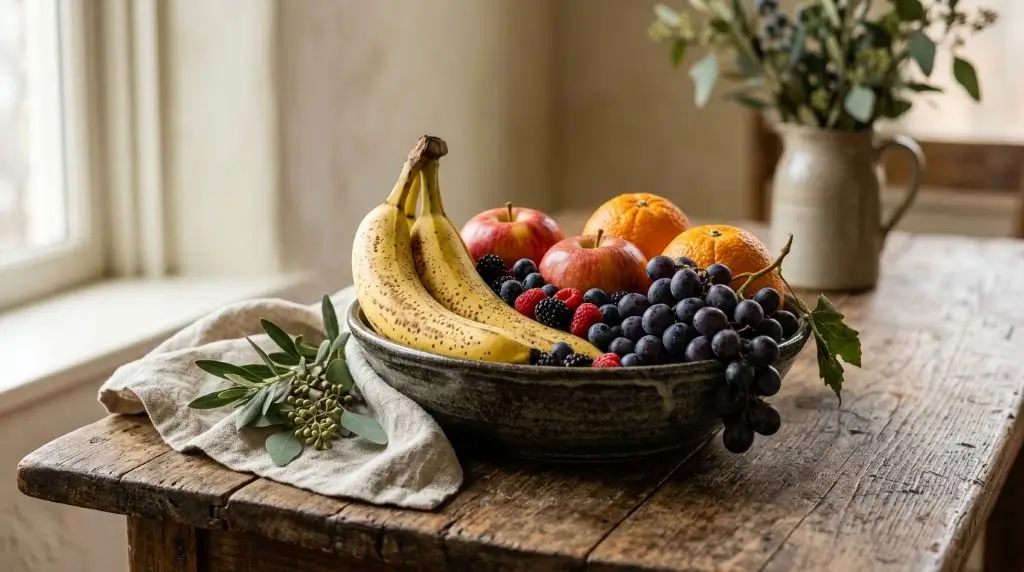
Different fruits provide different vitamins, minerals, and plant compounds, so eating a variety offers the greatest nutritional value.
Easy Ways to Add Bananas to Your Diet
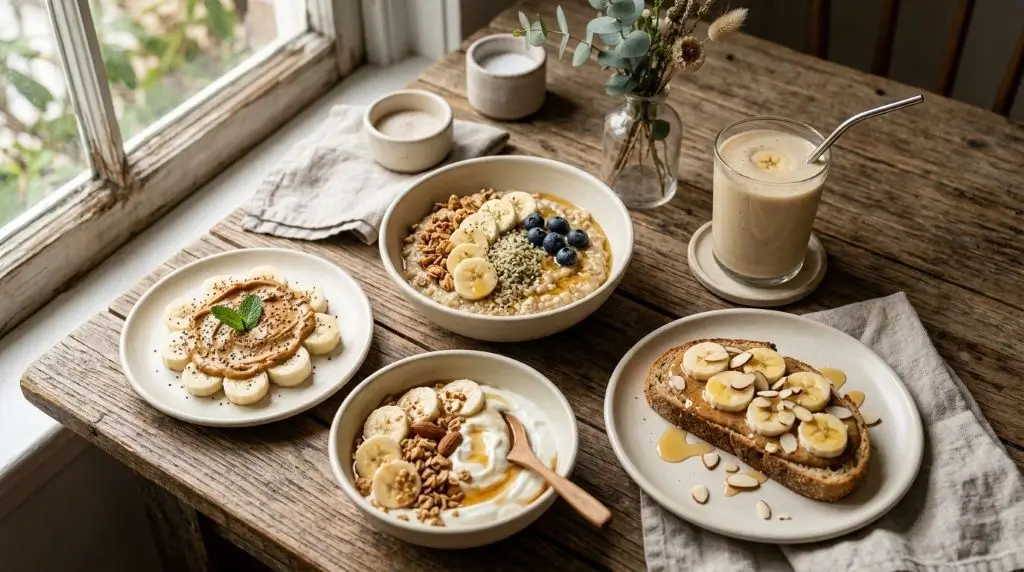
Bananas are versatile. You do not have to eat them plain, though that is perfectly fine. Here are simple ways to work them into your day.
- Breakfast: Slice a banana over whole-grain cereal or oatmeal. The natural sweetness means you might not need added sugar.
- Smoothies: Blend a frozen banana with milk, spinach, and a scoop of protein powder. It adds creaminess without ice cream.
- Greek Yogurt: Layer banana slices with plain Greek yogurt and a sprinkle of granola. You get protein, probiotics, and fiber in one bowl.
- Oatmeal: Stir banana slices into hot oats. They soften and create a pudding-like texture. If oats are a regular part of your breakfast, explore our guide to oats nutrition benefits to learn why they’re such a nutritious pairing.
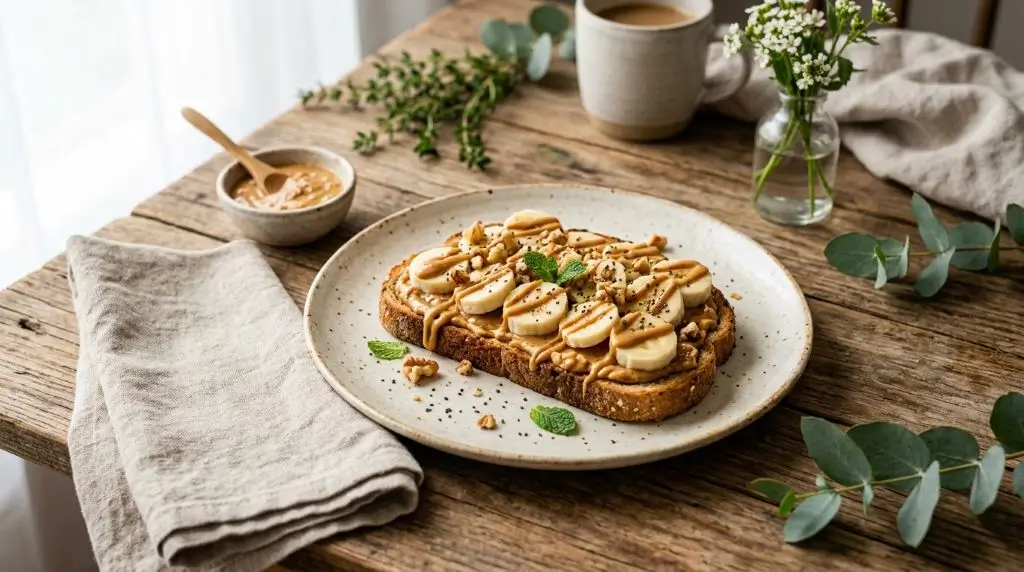
- Peanut Butter: Spread natural peanut butter on a banana for a snack that balances carbs, fat, and protein.
- Trail Mix: Add dried banana chips to homemade trail mix with nuts and dark chocolate chips. Watch the portion size on dried fruit, though. It is more concentrated.
- Whole-Grain Toast: Top toast with mashed banana and a drizzle of honey. Add chia seeds for crunch.
If you want more creative ideas, browse our collection of Healthy Snack Alternatives to Junk Food.
Potential Downsides and Considerations
Bananas are safe for almost everyone. But a few things are worth knowing.
Portion Size
A banana is a healthy food, but it is not calorie-free. If you are eating multiple bananas a day and wondering why your weight is not changing, check your total intake. One banana is a snack. Three bananas is a significant chunk of your daily calories.
Natural Sugar
A medium banana has about 14 grams of natural sugar. That is not added sugar, and it comes packaged with fiber and nutrients. But if you are managing diabetes or prediabetes, you still need to account for it. Pair your banana with protein or healthy fat to slow absorption. Talk to your doctor or a registered dietitian about how fruit fits into your plan.
Potassium Considerations
For most people, more potassium is a good thing. But if you have kidney disease or take certain medications, like ACE inhibitors or potassium-sparing diuretics, your body might not handle extra potassium well. In those cases, your doctor might limit high-potassium foods. This is not a banana problem. It is a medical management issue. Always follow professional guidance.
FAQs about Banana Nutrition Facts
Is banana healthy?
Yes. Bananas offer fiber, potassium, vitamin B6, and vitamin C with no cholesterol and very little fat. They are a nutritious choice for most people.
Are bananas nutritious?
Absolutely. They provide a range of banana vitamins and minerals that support energy, digestion, and heart health. They are especially convenient because they require no preparation.
What is the best time to eat banana?
It depends on your needs. Morning, pre-workout, post-workout, and evening can all work. There is no single perfect time for everyone.
Is banana good before a workout?
Yes. The natural sugars provide quick energy, and the potassium supports muscle function. Eat a ripe banana about 30 minutes before exercise.
Can you eat a banana every day?
For most people, yes. One banana a day fits well within standard fruit intake recommendations. If you have specific health conditions, check with your doctor.
Will bananas make you fat?
No single food causes weight gain. Bananas are moderate in calories and high in nutrients. Weight changes depend on your total diet and activity level over time.
Which is better, green or ripe bananas?
Green bananas have more resistant starch and less sugar. Ripe bananas are sweeter and easier to digest. Choose based on your personal goals and taste preference.
Final Thoughts
Bananas are not magic. They are not a superfood that fixes everything. But they are affordable, convenient, and genuinely nutritious. They fit into almost any eating plan. They require zero cooking skills. And they taste good.
The timing of when you eat a banana matters less than most people think. What matters more is that you are eating real food, paying attention to your hunger, and building habits you can stick with. A banana at breakfast fuels your morning. A banana after a workout helps you recover. A banana at night is fine if you want it.
Rather than worrying about the perfect time to eat a banana, focus on eating a variety of whole fruits as part of a balanced diet. Focus on consistency. And let the simple banana do what it does well – give you easy, natural nutrition without complicating your day.
Food & Nutrition Writer at PureHealthBites

Nadeem Sharif is the voice behind PureHealthBites, a blog focused on simple nutrition and everyday food choices. With hands-on experience experimenting with ingredients and meals, he shares practical, gut-friendly ideas to help readers eat well, feel better, and build healthier habits for real life.
Connect With Nadeem