By Nadeem Sharif | Reviewed July 20, 2026 |
Medical Disclaimer:This article is for informational purposes only and does not replace professional medical advice. See our full disclaimer.
Introduction
You are standing in the peanut butter aisle at the grocery store. There are dozens of jars staring back at you. Some say natural. Some say creamy. Some have ingredient lists that read like a chemistry experiment. You just want to buy something simple and nutritious, but the labels make it confusing.
This is where understanding peanut butter nutrition facts helps. Not every jar on that shelf is nutritionally equal. Some brands pack in added sugar, hydrogenated oils, and extra salt. Others keep it simple with just peanuts and maybe a pinch of salt. The ingredients, the serving size, and the label all matter more than most people realize.
The good news is that you do not need to memorize complicated nutrition labels. Once you know a few key things to look for, choosing a healthier peanut butter becomes much easier.
In this guide, we will break down what peanut butter actually contains, how to spot a healthy option, and what to watch out for before you toss a jar into your cart. We will also look at whether peanut butter fits into a balanced diet, how much to eat, and simple ways to enjoy it every day.
This article is for informational purposes only. It is not medical advice, and you should talk to a healthcare provider if you have specific dietary concerns.
Table of Contents
Quick Take (What You Will Learn)
- One serving equals about 2 tablespoons (32 g)
- Calories, protein, healthy fats, and key nutrients per serving
- How to choose healthy peanut butter at the store
- The difference between natural and regular peanut butter
- Ingredients to avoid or limit
- Simple snack and meal ideas you can try today
Peanut Butter at a Glance
- Serving size: 2 tablespoons (32 g)
- Calories: 190–200
- Protein: 7 g
- Healthy fats: 16 g
- Fiber: 2 g
- Main nutrients: Vitamin E, magnesium, niacin
- Best choice: Peanut butter with minimal ingredients
What Is Peanut Butter?
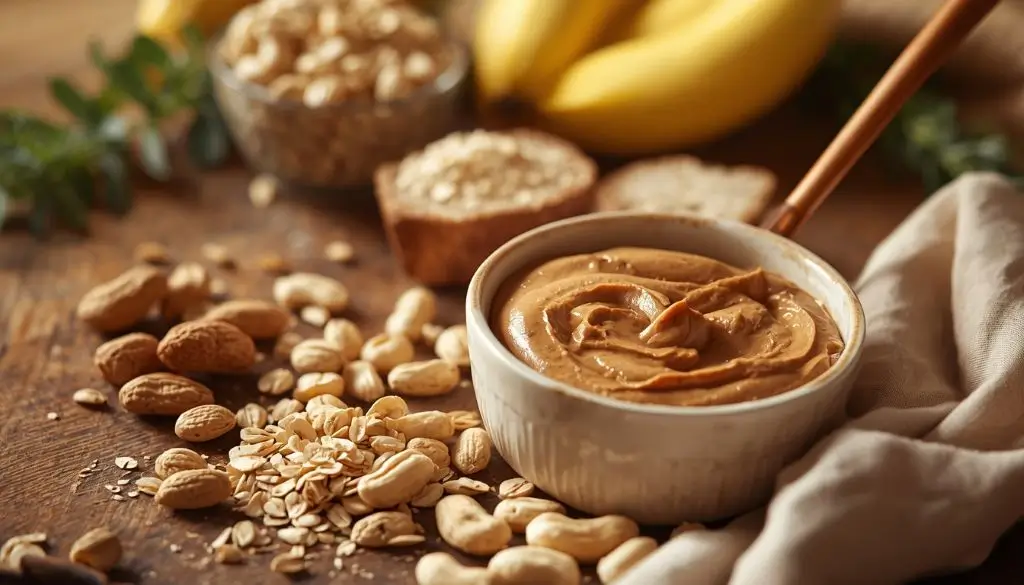
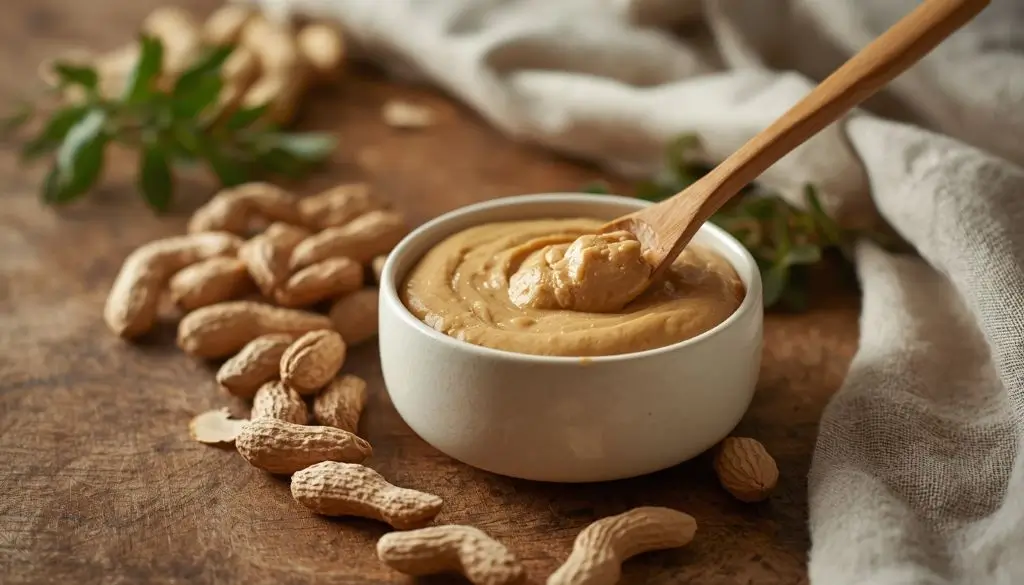
Peanut butter starts with peanuts. Manufacturers roast the peanuts, grind them into a paste, and sometimes add salt, sugar, or oils to change the flavor or texture. The FDA requires that anything labeled peanut butter must contain at least 90% peanuts. If a product has less than that, it has to be called a peanut spread.
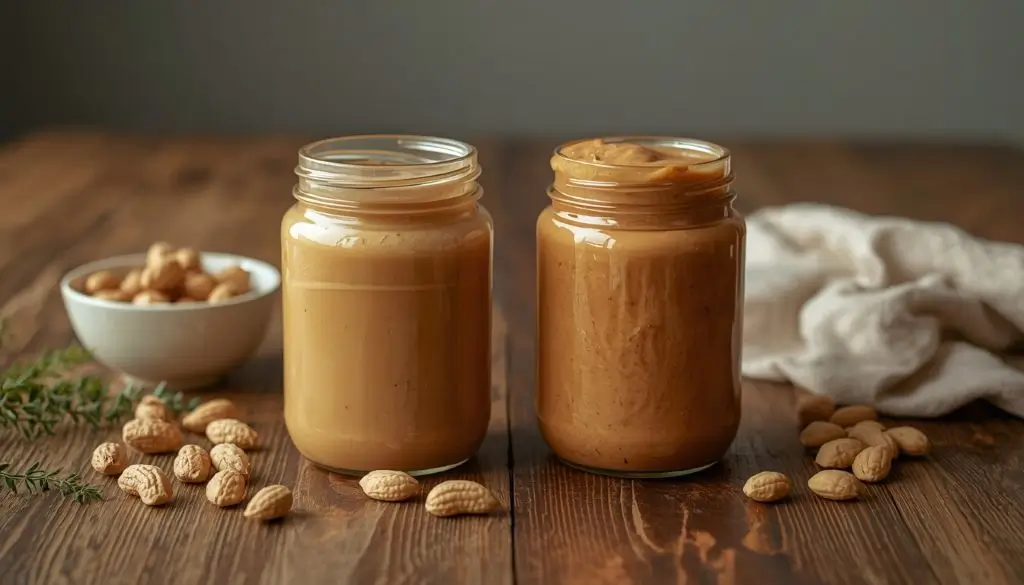
There are two main types you will see on shelves. Natural peanut butter usually contains just peanuts and sometimes a small amount of salt. The oil separates and rises to the top, so you have to stir it before you eat it.
Regular or processed peanut butter often has added stabilizers like hydrogenated oils to keep the texture smooth and uniform. It may also contain added sugar and more salt.
This is why reading the label matters. Two jars can look identical from the outside, but the ingredient lists inside tell completely different stories. If you want to know what you are eating, the ingredients are the place to start.
Peanut Butter Nutrition Facts
This is the core of what you came here to learn. Let us look at what is actually inside a typical serving of peanut butter.
Standard Peanut Butter Serving Size
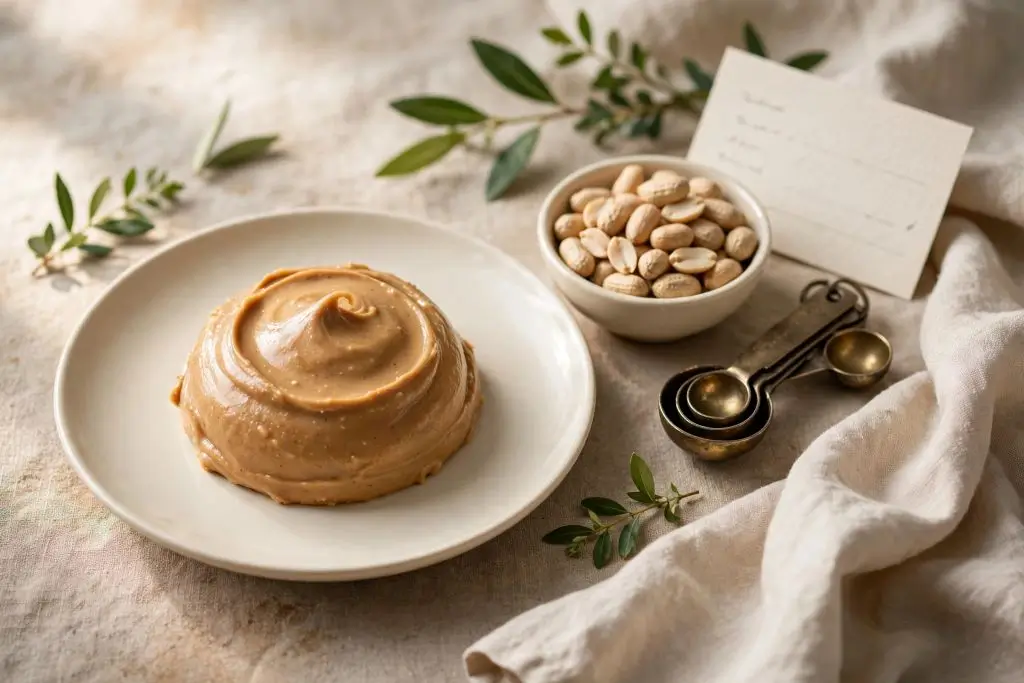
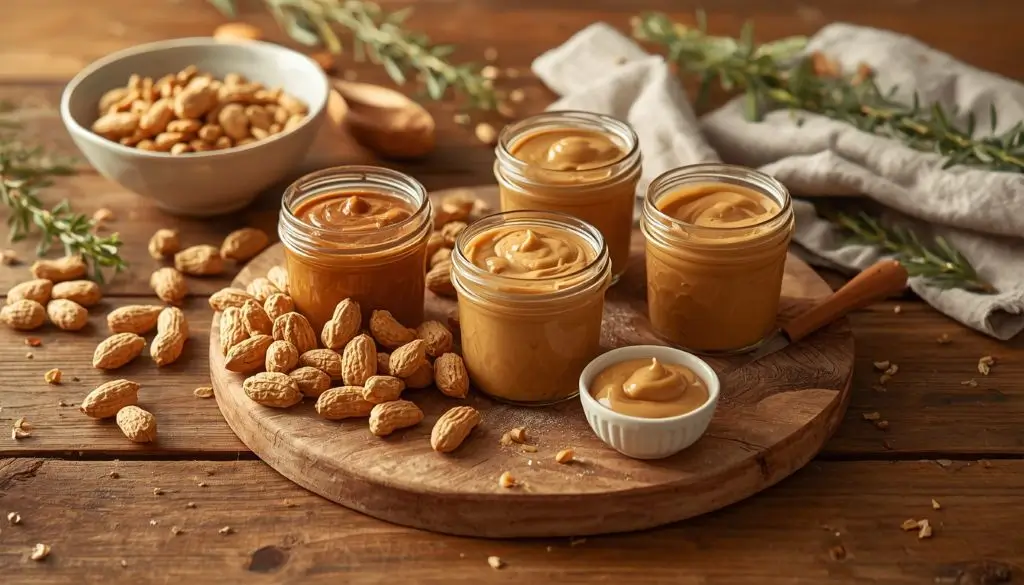
Most labels list one serving as 2 tablespoons, which weighs about 32 grams. That is roughly the amount you would spread on a standard sandwich. To picture it, imagine a ping pong ball or a small golf ball. That is your portion.
It is easy to overeat peanut butter because it tastes good and spreads easily. But those calories add up fast if you are not paying attention. Keeping a measuring spoon handy for a week or two can help you learn what a real serving looks like.
Calories in Peanut Butter
A standard 2-tablespoon serving contains about 190 to 200 calories. Those calories come from three main sources: fat, protein, and carbohydrates.
Here is the basic breakdown for one serving of smooth peanut butter with added salt, based on data from the USDA FoodData Central:
| Nutrient | Amount Per Serving (2 tbsp / 32 g) | *Daily Value (%) ** |
| Calories | 190–200 | — |
| Total Fat | 16 g | 21% |
| Saturated Fat | 3 g | 15% |
| Trans Fat | 0 g | — |
| Protein | 7 g | 14%** |
| Total Carbohydrates | 7–8 g | 3% |
| Dietary Fiber | 2 g | 7% |
| Total Sugars | 3 g | — |
| Sodium | 136–160 mg | 6–7% |
Source: USDA FoodData Central
Calories in Peanut Butter are just one piece of the puzzle. What matters more is where those calories come from. Compared with many sweet spreads, peanut butter provides more protein, healthy fats, and essential nutrients per serving, making it a more satisfying option when eaten in moderation.
That means you get a lot of vitamins, minerals, protein, and healthy fats in a small amount of food. A 200-calorie serving of peanut butter gives you far more nutrition than 200 calories of a sugary snack.
Protein in Peanut Butter
Each serving delivers about 7 grams of protein. That makes peanut butter a solid source of plant-based protein, especially for people who do not eat meat or want to cut back on animal products. You can add it to breakfast, spread it on whole-grain toast, or blend it into a smoothie to boost your protein intake without much effort.
If you’re looking for more ways to increase your morning protein intake, explore our guide on how to build a high-protein breakfast.
Protein in peanut butter helps keep your muscles strong and supports a feeling of fullness after you eat. For vegetarians and anyone trying to eat more plant foods, peanut butter is an affordable and convenient option.
Peanut butter does not provide a complete protein on its own because it is relatively low in some essential amino acids. However, pairing it with foods like whole-grain bread, oats, or dairy products creates a more balanced meal.
Healthy Fats in Peanut Butter
Peanut butter contains about 16 grams of fat per serving. Most of that fat is the kind your body can use. Roughly half comes from monounsaturated fats, and about a third comes from polyunsaturated fats. These are the same types of healthy fats found in olive oil and avocados.
According to the Harvard T.H. Chan School of Public Health, peanuts contain mostly mono- and polyunsaturated fats, which can help lower LDL cholesterol. The Mayo Clinic also notes that monounsaturated fats, like those in peanut oil, can support heart health when used in place of saturated fats.
Peanut butter does contain about 3 grams of saturated fat per serving. That is not zero, but it is a small fraction of the total fat. The key is the overall balance. The healthy fats far outweigh the saturated fat in most natural peanut butters.
Peanut butter naturally contains more omega-6 than omega-3 fats. Enjoying it alongside other foods that provide omega-3 fats, such as walnuts or flaxseed, can help create a more balanced eating pattern.
If you enjoy nuts as part of your diet, you may also like our complete guide to almonds nutrition facts, which explores another nutrient-rich option packed with healthy fats, protein, and vitamin E.
Vitamins and Minerals
Peanut butter is packed with nutrients that many people do not get enough of. A single serving contributes meaningful amounts of several vitamins and minerals:
- Vitamin E: An antioxidant that supports skin and immune health
- Niacin (Vitamin B3): Helps your body convert food into energy
- Magnesium: Supports muscle function, nerve health, and sleep quality
- Phosphorus: Works with calcium to keep bones strong
- Potassium: Helps balance fluids and supports healthy blood pressure
- Copper: Important for iron absorption and connective tissue health
- Manganese: Supports bone health and metabolism
Research published in PMC notes that peanuts and peanut butter contain bioactive compounds like resveratrol and phytosterols, which add to their nutritional value beyond basic vitamins and minerals.
Is Peanut Butter Healthy?
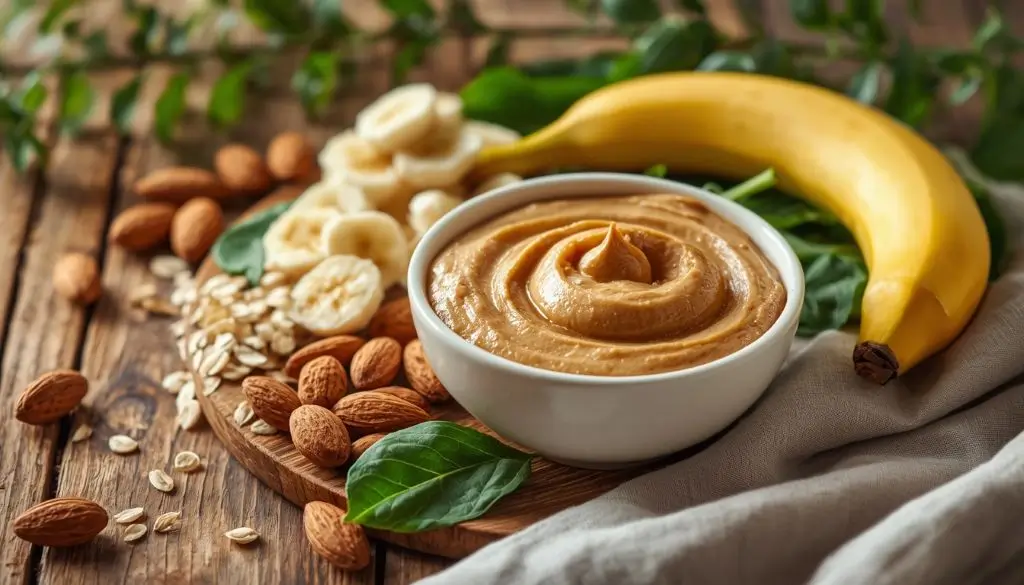
This is one of the most common questions people ask. The short answer is yes, peanut butter can be part of a healthy diet. The longer answer depends on which jar you buy and how much you eat.
Peanut butter offers protein, fiber, healthy fats, and a wide range of vitamins and minerals. It is a whole food that has been minimally processed, especially when you choose natural varieties. The 2025-2030 Dietary Guidelines for Americans continue to recognize peanuts and peanut butter as nutrient-dense foods that fit into a balanced eating pattern.
That said, peanut butter is not a free food. It is calorie-dense, and some brands load up on added sugar and sodium. The health value comes down to choosing the right product and keeping your portions reasonable.
Did You Know? Natural peanut butter often contains just one or two ingredients: peanuts and sometimes a small amount of salt. Now that you know what peanut butter contains, let’s look at how those nutrients fit into a balanced eating pattern.
Health Benefits of Peanut Butter
Let us look at why so many nutrition experts consider peanut butter a smart choice.
Supports Lasting Fullness
Peanut butter combines protein, healthy fats, and fiber. That trio works together to keep you satisfied longer than a simple carb snack would. To understand why this combination helps curb hunger, read our guide on why protein and fiber keep you full.
You are less likely to feel hungry an hour after eating something with peanut butter in it. This makes it a practical choice for breakfast or afternoon snacks when you need energy that lasts.
Good Source of Plant-Based Protein
With about 7 grams of protein per serving, peanut butter stands out as one of the most affordable sources of plant-based protein. It fits easily into vegetarian eating patterns and can help balance meals that might otherwise be low in protein.
You do not need to be vegetarian to benefit from it. Anyone looking to add more variety to their protein sources can use peanut butter as a simple option.
Supports Heart-Friendly Eating Patterns
The fats in peanut butter are mostly unsaturated, which is the type of fat linked to better heart health outcomes. Population studies, including research from Harvard, have found that regular nut and peanut consumption is associated with a lower risk of heart disease.
The Mayo Clinic explains that diets including nuts can support artery health and reduce inflammation related to heart disease. Peanut butter is not a treatment for heart conditions, but it can be part of an overall eating pattern that supports cardiovascular wellness.
Convenient Everyday Nutrition
One of the biggest advantages of peanut butter is how easy it is to use. You can spread it on toast in the morning, add it to a smoothie at lunch, or dip apple slices into it for an afternoon snack. It does not require cooking, refrigeration (for regular types), or any special prep. That convenience makes it easier to stick with healthy habits, even on busy days.
Nutrition is only part of the story. The ingredients inside the jar can make a noticeable difference too.
Natural vs Regular Peanut Butter
This is where shopping gets tricky. Here is a clear comparison to help you decide.
| Feature | Natural Peanut Butter | Regular Peanut Butter |
| Ingredients | Usually just peanuts and salt | Peanuts, sugar, hydrogenated oils, salt, and sometimes stabilizers |
| Added Sugar | Usually none | Often 1 to 3 grams per serving |
| Added Oils | None or minimal | Hydrogenated vegetable oils to prevent separation |
| Texture | Thinner, oil separates | Thick, uniform, no separation |
| Stirring Needed | Yes, before each use | No |
When possible, choose peanut butter with the shortest ingredient list. Natural peanut butter gives you the peanut flavor and nutrition without the extras. Regular peanut butter is not bad, but it often comes with ingredients you do not need.
Neither type is automatically unhealthy, but natural peanut butter is often the better choice for people who want fewer added ingredients.
Quick Take: If you’re looking for the simplest option, choose peanut butter made with just peanuts or peanuts and a little salt. Regular peanut butter can still fit into a balanced diet, but it’s worth checking the ingredient list for added sugars, oils, and sodium.
Peanut Butter Ingredients: What to Look For
Reading the ingredient list is the single most important thing you can do when buying peanut butter.
Look for these:
- Peanuts (should be the first ingredient)
- Salt (optional, but fine in small amounts)
Limit or avoid these:
- Added sugar (often listed as cane sugar, corn syrup, or molasses)
- Hydrogenated oils (these add trans fats, even if the label says zero grams)
- Excess sodium (some brands pack in more salt than you need)
- Artificial flavors or colors
Quick Tip: A shorter ingredient list is usually a good sign. Many healthy peanut butters contain only peanuts or peanuts with a small amount of salt.
How to Choose Healthy Peanut Butter
Here is a simple checklist you can use next time you shop.
Shopping Checklist
- Peanuts are listed as the first ingredient
- No hydrogenated oils in the ingredient list
- No added sugar, if possible
- Moderate sodium (under 150 mg per serving is a good target)
- Minimal ingredients overall
- Look for peanut butter with 100% peanuts whenever possible.
If the jar passes these tests, you are probably holding a solid choice. Do not worry about finding a perfect product. Just aim for simple, recognizable ingredients.
Quick Shopping Tip: When comparing two jars, choose the one with the shortest ingredient list. In many cases, peanuts alone, or peanuts with a little salt, are all you need.
Peanut Butter Serving Size
We have already covered that a standard serving is 2 tablespoons. But let us talk about why that matters in real life.
Peanut butter is calorie-dense. Two hundred calories in two spoonfuls is easy to overlook when you are spreading it on toast or blending it into a shake. If you eat peanut butter every day, those portions add up over the course of a week.
That does not mean you should avoid it. It just means portion awareness helps. Use a measuring spoon for a few days to train your eye. After that, you will be able to estimate a serving without thinking too hard.
For context, 2 tablespoons of peanut butter on a slice of whole-grain toast gives you a balanced snack with protein, fiber, and healthy fats. That is very different from eating half a jar straight from the container while watching TV.
Did You Know?
Peanut butter freezes well and can be added directly to smoothies or spread on banana slices before freezing for a quick homemade snack.
Simple Peanut Butter Snack Ideas
Peanut butter is versatile. Here are some easy ways to work it into your day.
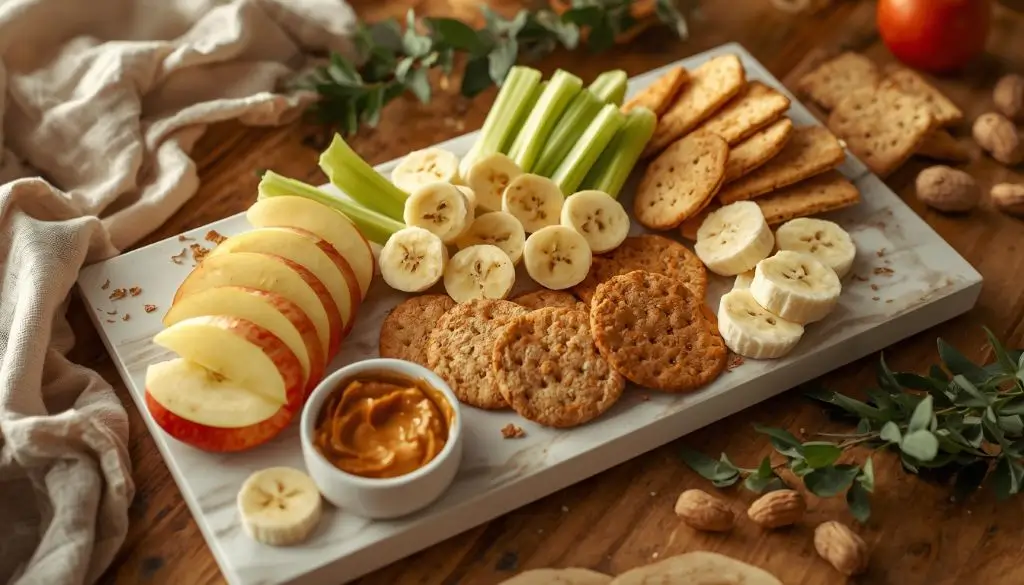
- Apple slices: Dip them straight into the jar or spread a thin layer on each slice.
- Banana: Spread peanut butter on a banana, or slice the banana and add it on top.
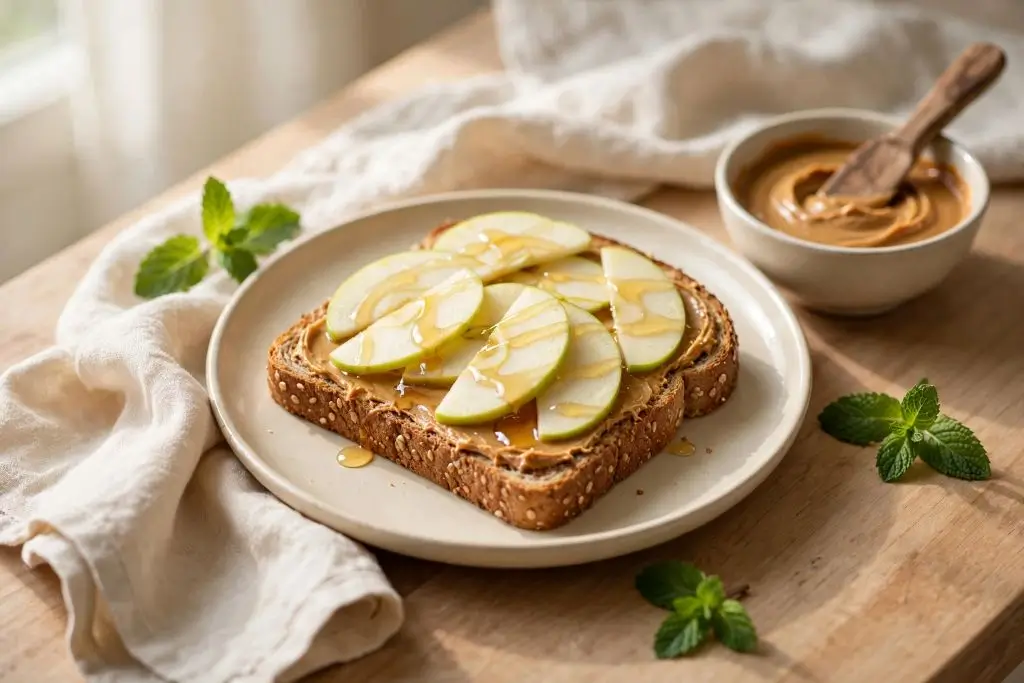
- Whole-grain toast: A classic for a reason. Add a sprinkle of chia seeds if you want extra crunch.
- Oatmeal: Stir a spoonful into hot oats for creaminess and protein. If you enjoy oatmeal for breakfast, learn more about the nutrition and benefits of oats in our complete guide to oats nutrition benefits.
- Greek yogurt: Swirl it in for a nutty flavor boost.
- Smoothies: Blend with banana, milk, and a handful of spinach for a quick breakfast.
These ideas take almost no time, and they turn a simple jar of peanut butter into a satisfying meal or snack. If you’re looking for even more nutritious options, browse our collection of healthy snack alternatives to junk food.
Potential Considerations
Peanut butter is not the right choice for everyone. Here are a few things to keep in mind.
- Peanut allergy: Peanut allergies are serious and can be life-threatening. If you or someone in your household has a peanut allergy, avoid peanut butter entirely and talk to a doctor about safe alternatives.
- Portion control: Because peanut butter is calorie-dense, it is easy to eat more than you planned. Stick to the recommended serving size if you are watching your calorie intake.
- Added sugar: Some brands add sugar where it does not belong. Check the label, especially on flavored or reduced-fat varieties.
- Sodium: If you are watching your salt intake, look for unsalted or no-salt-added versions.
None of these mean peanut butters is dangerous. They just mean it pays to read the label and know your own dietary needs.
FAQs about Peanut Butter Nutrition Facts
Q1: Is peanut butter healthy?
Yes, peanut butter can be part of a healthy diet. It offers protein, healthy fats, fiber, and important vitamins and minerals. The key is choosing a brand with minimal added ingredients and keeping portions reasonable.
Q2: Is natural peanut butter better?
Natural peanut butter usually has a shorter ingredient list, often just peanuts and salt. That means no added sugar or hydrogenated oils. For many people, that makes it a cleaner choice.
Q3: How much peanut butter should you eat?
A standard serving is 2 tablespoons (32 grams). That is a good target for most people. You can adjust based on your own calorie needs and activity level.
Q4: Does peanut butter contain protein?
Yes. A typical 2-tablespoon serving contains about 7 grams of protein, making it a useful source of plant-based protein.
Q5: Is peanut butter high in healthy fats?
Most of the fat in peanut butter comes from monounsaturated and polyunsaturated fats. These are the types of fats linked to heart health when eaten in place of saturated fats.
Q6: What ingredients should healthy peanut butter contain?
Ideally, just peanuts. A small amount of salt is fine too. Avoid added sugar, hydrogenated oils, and artificial ingredients when possible.
Q7: Is Peanut Butter Good for Breakfast?
Yes, peanut butter can be a healthy breakfast choice when paired with nutritious foods. Its combination of protein, healthy fats, and a small amount of fiber can help make breakfast more satisfying. Try spreading peanut butter on whole-grain toast, stirring it into oatmeal, or adding a spoonful to Greek yogurt with fresh fruit. Choosing natural peanut butter with minimal ingredients is generally the best option.
Conclusion
Peanut butter is one of those foods that can either be a smart addition to your diet or a hidden source of added sugar and oils. It all comes down to the jar you choose.
The nutrition facts tell a clear story. A standard serving delivers protein, healthy fats, fiber, and a range of vitamins and minerals that support everyday health. The benefits of peanut butter include lasting fullness, plant-based protein, and heart-friendly fats. But those benefits only come through when you pick a product with simple, honest ingredients.
The next time you shop for peanut butter, turn the jar around and read the ingredient list before placing it in your cart. A simple habit like choosing peanut butter with minimal ingredients can make it easier to enjoy this nutritious food as part of a balanced diet.
Disclaimer: This article is intended for informational purposes only. It does not constitute medical advice, diagnosis, or treatment. Always consult a qualified healthcare provider before making changes to your diet, especially if you have allergies, chronic conditions, or specific nutritional needs.
Food & Nutrition Writer at PureHealthBites

Nadeem Sharif is the voice behind PureHealthBites, a blog focused on simple nutrition and everyday food choices. With hands-on experience experimenting with ingredients and meals, he shares practical, gut-friendly ideas to help readers eat well, feel better, and build healthier habits for real life.
Connect With Nadeem